


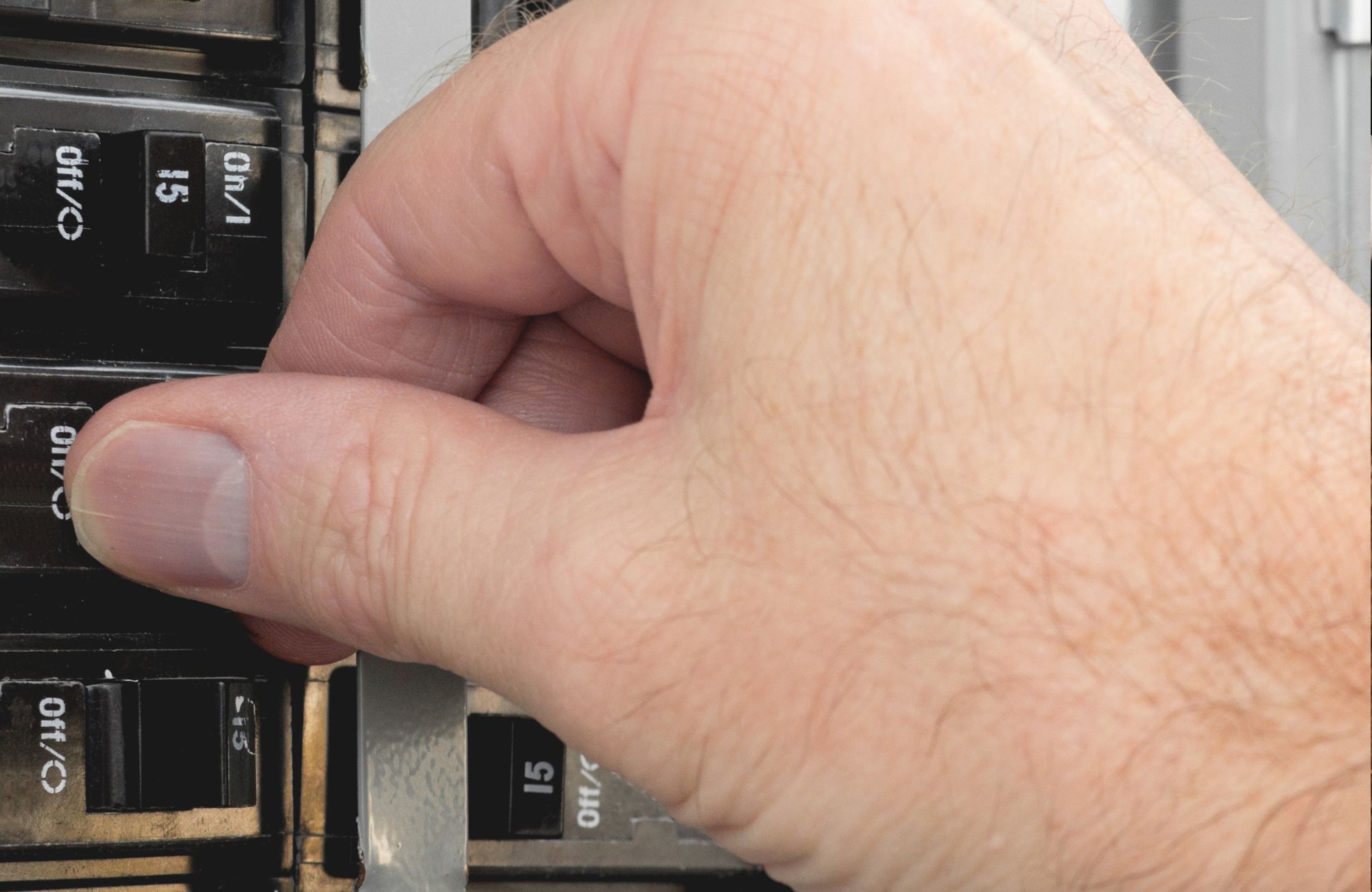
When a well pump stops and the circuit breaker has tripped, the pressure switch may seem like the obvious cause. A bad pressure switch can trip the breaker, but damaged wiring, a failing pump motor, a control-box fault, or another electrical problem can produce the same symptom.
Breaker trips should not be treated as routine pump resets. If the breaker trips again after being reset, leave the circuit off and arrange qualified testing of the full pump system.
Will a Bad Pressure Switch Trip the Breaker?
Yes, a bad pressure switch can trip a circuit breaker if the switch, its terminals, or nearby wiring develops a short circuit, ground fault, or other overcurrent condition. A faulty switch may also disrupt pump cycling. However, the pressure switch is only one of several components that must be tested.
Circuit breakers are designed to interrupt power during conditions such as an overload, short circuit, or ground fault. A pressure-switch problem may trigger that protection if damaged insulation, wet wiring, loose terminals, or failed internal parts create an abnormal electrical path.
The switch can also contribute indirectly. Chattering contacts may start and stop the pump repeatedly, while a switch that remains closed may keep calling for the pump to run. These conditions can place more stress on the motor and controls, but they do not prove that the switch caused the breaker trip.
A pump motor, control box, underground cable, circuit breaker, or mechanical pump problem can cause similar behavior. Testing the whole circuit is more reliable than replacing the pressure switch based on symptoms alone.
How Does a Well Pressure Switch Work?
A well pressure switch monitors water pressure and controls when the pump starts and stops. It closes its electrical contacts when pressure falls to the cut-in setting and opens them when pressure reaches the cut-out setting. The switch works with the pressure tank, pump motor, wiring, and control equipment.
Water pressure acts against a diaphragm inside the switch. As pressure changes, the diaphragm moves a mechanical assembly that opens or closes the electrical contacts. Pressure-switch models and settings vary, so adjustments must follow the equipment manufacturer’s instructions. Schneider Electric identifies its Pumptrol units as electromechanical switches used to control water pumps between pressure thresholds.
The pressure tank stores water and compressed air. This stored pressure lets you use a small amount of water without starting the pump every time a faucet opens. Once pressure falls to the switch’s cut-in point, the pump starts and refills the tank.
When pressure reaches the cut-out point, the switch opens and stops the pump. A problem anywhere in this sequence may affect pump operation, but only electrical testing can show whether the pressure switch is responsible for the breaker trip.
What Pressure-Switch Problems Can Trip a Breaker?
Pressure-switch problems most likely to cause a breaker trip involve damaged wiring, loose terminals, moisture, corrosion, failed insulation, or an internal electrical fault. Other switch problems may cause rapid cycling or continuous pump operation without directly tripping the breaker. The difference matters when deciding which parts need testing.
A direct electrical problem occurs when the switch or its wiring creates an unsafe current path. Water entering the enclosure, damaged wire insulation, a loose terminal, or a failed component may cause a short circuit or ground fault. The breaker may then open as designed.
A poor connection can also create resistance and heat at a terminal. Signs may include discoloration, melted insulation, a burning smell, or visible damage around the switch. Do not remove the cover or touch the terminals while the circuit is energized.
Indirect problems change the way the pump operates. Examples include:
- Contacts that chatter instead of closing firmly
- A clogged pressure-sensing opening
- A switch that does not open at cut-out pressure
- A switch that does not close when pressure falls
- Incorrect pressure settings
- Rapid cycling caused by another system problem
A weak or waterlogged pressure tank can cause repeated pump starts even when the switch works. The switch may appear to be the problem because it clicks frequently, but the tank, bladder, air pre-charge, and plumbing system may be the actual cause.
What Are the Signs of a Faulty Pressure Switch?
A faulty pressure switch may cause clicking, chattering, unstable pressure, rapid cycling, failure to start, or failure to stop. Burned contacts, corrosion, moisture, or damaged wiring can also point toward a switch problem. None of these signs confirms the diagnosis because other well components can create similar symptoms.
Pay attention to what happens immediately before the breaker trips. A technician can use this information to choose the right electrical and pressure tests.
Possible warning signs include:
- The pump does not start when pressure drops.
- The pump continues running after pressure rises.
- The switch clicks rapidly.
- Water pressure rises and falls during normal use.
- The pump starts after very small amounts of water are used.
- The breaker trips as soon as the switch calls for the pump.
- Rust, water, heat damage, or melted insulation is visible nearby.
- A humming or buzzing sound comes from the switch or control area.
Do not assume that frequent clicking means the switch must be replaced. Short cycling is often connected to pressure-tank condition, a leak, incorrect air pre-charge, or poor system sizing. A full inspection should include both the pressure switch and pressure tank.
What Else Can Make a Well-Pump Breaker Trip?
A well-pump breaker may trip because of damaged wiring, a failing motor, control-box problems, low voltage, a locked pump, or a defective breaker. The timing of the trip offers useful clues, but it cannot identify the failed part by itself. Electrical measurements are needed before repairs are selected.
Motor circuits require protection against overloads, failure to start, short circuits, and ground faults. This is why the pump motor, control equipment, conductors, and pressure switch should be treated as one electrical system during diagnosis.
The table below can help you describe the problem when requesting service. It does not replace current, voltage, resistance, or insulation testing.
| What happens | Possible causes | Recommended response |
| Breaker trips immediately | Short circuit, ground fault, damaged cable, wet connection, or failed component | Leave the circuit off |
| Breaker trips when the pump starts | Failing motor, locked pump, damaged start parts, control-box fault, or switch wiring problem | Stop resetting and request testing |
| Breaker trips after several minutes | Motor overload, low voltage, mechanical strain, or heat-related fault | Limit water use and schedule service |
| Breaker trips at random | Loose wiring, moisture, damaged insulation, intermittent control fault, or worn breaker | Record when it occurs |
| Pump stops but breaker remains on | Low-pressure cut-out, loss of prime, leak, low well yield, or control problem | Confirm which device actually shut off |
An immediate breaker trip often points toward a strong electrical fault, while a delayed trip may involve heat or sustained motor current. These are patterns, not diagnoses. The exact cause may still be inside the pump, underground cable, control box, pressure switch, or electrical panel.
What Should You Do When the Breaker Keeps Tripping?
When the well-pump breaker keeps tripping, stop repeatedly resetting it. The breaker is responding to an abnormal electrical condition that needs evaluation. You can record symptoms and perform a basic visual check without opening electrical covers, but live testing, pressure-switch adjustments, and wiring repairs should be left to qualified professionals.
OSHA guidance prohibits repetitive manual reclosing of a breaker until the equipment and circuit have been evaluated and can be safely energized. Although OSHA rules apply to workplaces, this guidance reflects the electrical risk created when a protective device repeatedly opens.
Take these steps:
- Turn off large water demands, including irrigation and washing machines.
- Note whether the breaker trips immediately or after the pump runs.
- Listen for humming, buzzing, chattering, or repeated clicking.
- Check for visible water, rust, melted plastic, smoke, or scorch marks without opening covers.
- Leave the circuit off if the breaker trips again.
- Arrange testing of the switch, tank, motor, wiring, control box, and breaker.
Electrical equipment should be de-energized before inspection or repair. Leave the power off if you notice a burning smell, smoke, damaged insulation, or water around electrical parts.
Is a Low-Pressure Cut-Out Trip the Same as a Breaker Trip?
A low-pressure cut-out trip is not the same as an electrical breaker trip. The cut-out feature shuts the pump down when water pressure falls below a set threshold, while the circuit breaker opens because of an electrical overcurrent condition. Homeowners should first identify which device changed position.
Some pressure switches include a low-pressure cut-out feature that moves the switch to an off position when pressure falls far below the normal cut-in point. For certain Schneider Electric models, this occurs 10 PSI below the cut-in setting and requires a manual reset. That setting is model-specific and does not apply to every pressure switch.
A low-pressure shutdown can result from high household demand, a leak, inadequate pump output, loss of prime, low well yield, or pressure-tank settings. Boshart also notes that nuisance shutdowns may occur when tank pre-charge is too close to the switch’s cut-in pressure. The correct difference depends on the equipment instructions and system design.
If the electrical breaker remains on, the problem may be a pressure-switch shutdown rather than a circuit fault. Avoid forcing or bypassing the switch until the reason for the low pressure has been identified.
Get the Cause Confirmed Before Replacing Parts
A bad pressure switch can trip the breaker, but it is only one possible cause. The safer repair begins by testing the switch, pressure tank, motor, control box, wiring, and breaker as one system. This reduces guesswork and lowers the chance of replacing a working part while an electrical fault remains.
Housatonic Valley Well Pump Services LLC provides 24/7 well-pump assistance for homeowners in its Connecticut service area. The owner-operated company offers free quotes and upfront pricing, and Ralph Espinal is licensed in Connecticut and New York with full J1 certification. Contact us to request testing for repeated breaker trips, unstable pressure, or a no-water problem
FAQs
Can a well pressure switch trip a breaker?
Yes. A damaged pressure switch or its wiring can create a short circuit, ground fault, or other overcurrent condition that opens the breaker. The motor, cable, control box, and breaker can create the same symptom, so the switch should be tested rather than assumed faulty.
What causes a well pressure switch to trip?
The answer depends on what “trip” means. A low-pressure cut-out switch may shut the pump down when pressure falls below its threshold, while a circuit breaker opens because of an electrical fault or overload. Check whether the breaker handle moved or only the pressure switch shut off.
Can a bad switch cause a breaker to trip?
A bad switch can trip a breaker if failed insulation, wet wiring, damaged terminals, or an internal fault creates unsafe current flow. The switch may also cause rapid cycling or keep the pump running. Those operating problems can strain the system, but they do not confirm that the switch directly opened the breaker.
How do you temporarily bypass a pressure switch?
Do not bypass a well pressure switch to keep the pump running. A bypass can defeat normal pressure control, expose energized wiring, and allow the pump to operate when it should stop. A qualified professional can test the switch without leaving the system in an unsafe operating condition.
How can you tell whether the switch or pump motor is bad?
Trip timing, pressure behavior, and sounds provide clues, but electrical measurements are needed. Testing may include supply voltage, motor current, cable insulation, switch continuity, control-box components, and pressure-tank condition. Replacing the switch without these checks may leave the real problem unresolved.