


If you suddenly have no water from your well system in your New Milford home, the issue may come from a failed pump, pressure problem, frozen line, or electrical fault. This guide is for Connecticut homeowners who rely on private wells and need to understand why their water stopped working, what they can safely check first, and when it is time to call a professional.
Some well water problems have simple causes, while others need fast service before the damage spreads through the entire water system. A tripped breaker, damaged pressure tank, clogged pipe, bad pressure switch, or low water level can all stop water flow without much warning.
If your home suddenly loses running water, Housatonic Valley Well Pump Services provides 24/7 emergency well pump repair for homeowners in New Milford and nearby Connecticut communities.
Quick Answer: What Causes No Water From a Well?
No water from a well usually means one part of the well system has stopped moving, storing, or pressurizing water correctly. Common causes include a tripped breaker, a failed well pump, a faulty pressure switch, a damaged pressure tank, a frozen pipe, a clogged filter, or a low-producing well.
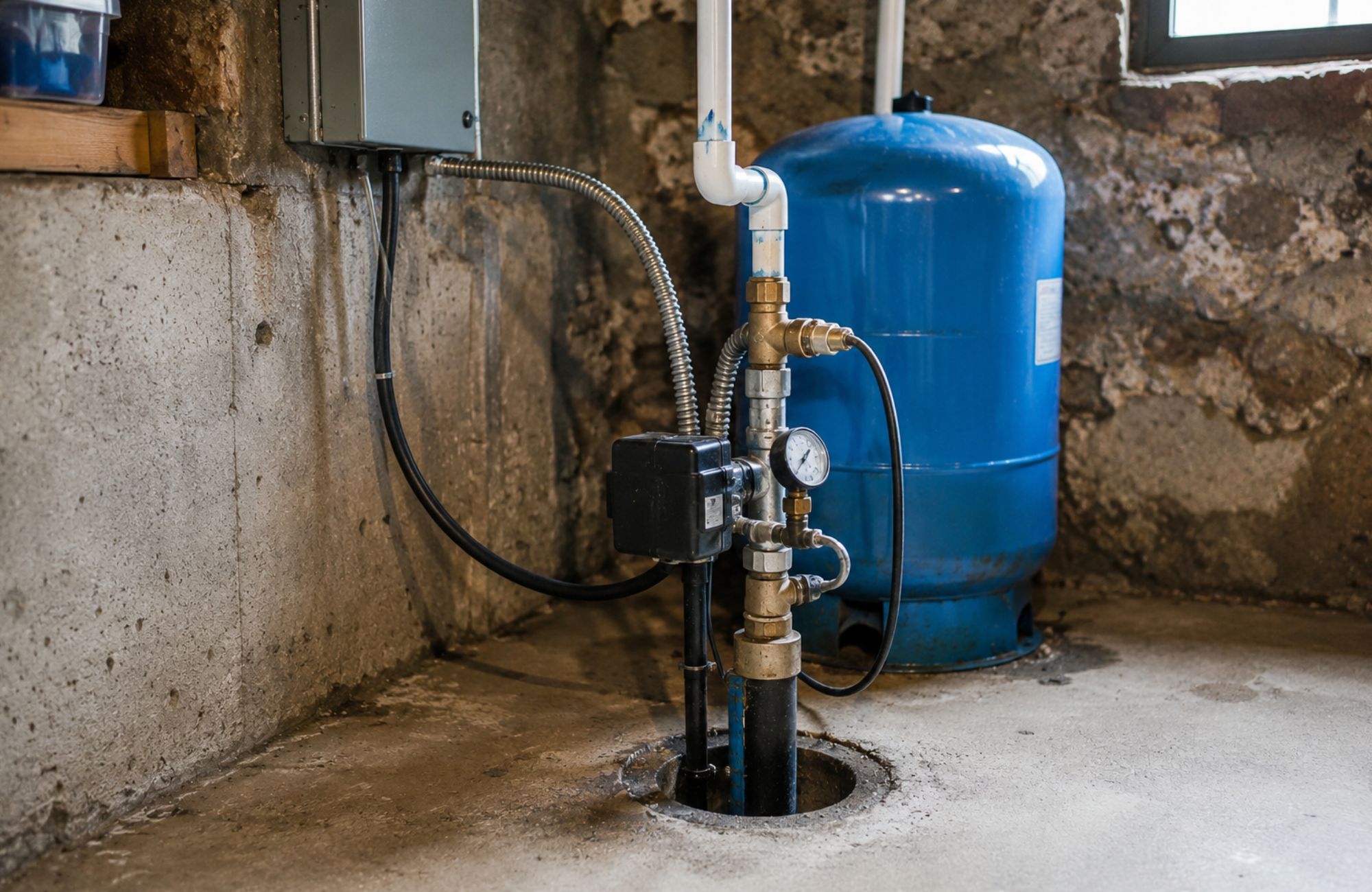
A private well system depends on several connected parts. The pump brings water from the ground, the pressure tank stores pressurized water, and the pressure switch tells the pump when to turn on and off. When one part fails, the whole house may lose water.
| Problem | Possible Cause | Recommended Action |
| No water at all | Pump or electrical issue | Check the breaker and the pressure gauge |
| Low water pressure | Pressure tank issue | Schedule inspection |
| Sputtering faucet | Air in lines or low water level | Reduce water use |
| Pump runs nonstop | Leak or failing tank | Shut the system off and call for service |
| Dirty or cloudy water | Sediment or pump issue | Inspect the well and the filtration system |
A professional inspection can quickly identify whether the problem involves the well pump, pressure tank, switch, plumbing line, or water supply itself.
What Should You Check First When Your Well Stops Working?
When your well stops working, check the breaker, pressure gauge, and pump activity first. These quick checks help you understand whether the problem may involve power, pressure loss, or a mechanical pump issue before scheduling emergency service.
Check the Breaker and Power Supply
A well pump needs steady power to move water from the well into the pressure tank and plumbing system. If the breaker trips, the pump shuts off, and your house may lose water completely. This can happen after storms, power surges, worn wiring, or a pump motor that is working too hard.
Check your electrical panel for a tripped breaker, then reset it only once. If it trips again, stop there and call a professional. Repeated resets can damage the pump motor or create an electrical safety risk.
You should also watch for warning signs near the pressure switch or tank area. Burning smells, moisture near wiring, buzzing, or sparks need urgent service. In older Connecticut homes, these issues can show up during winter cold snaps or after heavy water use.
Read the Pressure Gauge
The pressure gauge gives important clues about what is happening inside the water system. Most residential well systems operate around a set pressure range, often near 30–50 PSI or 40–60 PSI, depending on the setup. If the gauge reads 0 PSI, the pump may not be building pressure at all.
| Pressure Reading | What It Usually Means |
| 0 PSI | The pump is not building pressure |
| Below 20 PSI | Pressure loss or tank issue |
| 30–50 PSI | Common operating range |
| Normal pressure but no water | Possible pipe blockage or frozen line |
A low or dropping gauge reading may point to a failing pump, tank issue, leak, or broken pipe. If the pressure rises and falls quickly, the pressure tank or pressure switch may need service.
Listen for Pump Activity
Sound can also help identify the problem. Clicking near the pressure switch may point to a control issue, while constant humming can mean the pump motor is struggling. If you hear nothing at all, the pump may have no power or may have failed.
A pump that runs nonstop can overheat and increase repair costs. If safe, shut the system off and call for service. This is especially important when the entire home has no water and the pump keeps trying to run.
Can a Pressure Tank Cause No Water?
Yes, a failing pressure tank can cause no water, low water pressure, rapid cycling, or inconsistent water flow. The pressure tank stores pressurized water and protects the pump from turning on every time someone opens a faucet.
How the Pressure Tank Works
The pressure tank holds water under pressure, so your well pump does not run constantly. Many modern tanks use a bladder that separates water from air pressure. When that bladder fails, the system may lose stable pressure, and the pump may cycle too often.
A worn tank can also make the pressure switch work harder. This can lead to clicking sounds, pressure drops, or water that comes and goes. Over time, that extra strain can shorten the life of the pump.
Signs of a Bad Pressure Tank
Pressure tank problems often build slowly before the system fails. Homeowners may notice weak showers, sputtering faucets, or a pump that turns on and off too often. These symptoms matter because they can point to both tank damage and pump stress.
| Symptom | Possible Tank Issue |
| Rapid cycling | Bladder tank failure |
| No water pressure | Waterlogged tank |
| Clicking sounds | Pressure switch issue |
| Pump runs nonstop | Air charge problem |
Many older homes across New Milford and Litchfield County still use aging well tanks that struggle to maintain proper pressure. Replacing the tank early can improve water pressure, reduce pump wear, and help lower wasted energy from short cycling.
How Do You Know if Your Well Pump Failed?
A failing well pump may cause complete water loss, low water pressure, dirty water, air in the pipes, or a pump that runs constantly. Many pumps show warning signs before full failure, especially in older homes with aging well systems.
Common Signs of Pump Failure
Most submersible pump systems last for years, but their lifespan depends on water quality, household demand, sediment, and maintenance. Homes with iron-heavy water, sand, or debris may experience pump wear sooner. A struggling pump may also use more energy because it works harder to maintain pressure.
Watch for these signs:
- No water coming from faucets
- Low water pressure throughout the house
- Air sputtering from plumbing lines
- Dirty, cloudy, or muddy water
- Pump runs constantly
- Breaker trips repeatedly
- Water flow becomes inconsistent
These symptoms do not always mean the pump needs replacement. A bad check valve, foot valve, clogged pipe, pressure switch failure, or tank issue can create similar problems. That is why proper pump troubleshooting matters before replacing major equipment.
Why Professional Testing Matters
Professional well pump testing helps separate pump failure from other system problems. A technician may check voltage, amperage, pressure readings, water level, flow rate, and tank performance. This process helps avoid guessing and prevents unnecessary repairs.
Housatonic Valley Well Pump Services inspects the full well water system before recommending a repair or replacement. That includes the pump, pressure tank, switch, valves, pipe, and water flow. This approach gives homeowners a clear answer instead of a rushed sales recommendation.
Can a Well Run Dry in Connecticut?
Yes, a Connecticut well can run dry temporarily or struggle to recover during drought, heavy water use, or seasonal water table changes. Some wells do not fully run dry but produce water too slowly to keep up with household demand.
Why Wells Lose Water
Private wells depend on groundwater, and groundwater levels can shift. During dry weather, the water table may drop, especially in rural areas or properties with heavy water use. Homes that run irrigation, washing machines, dishwashers, and multiple showers at once may notice pressure loss faster.
A low-producing well may show warning signs before complete water loss. Faucets may sputter, water may return after waiting, or pressure may drop after several people use water at the same time. These signs often mean the well needs time to recover.
What Is a Low-Producing Well?
A low-producing well cannot supply enough gallons of water continuously to meet household demand. The well may still have water, but the recovery rate is too slow for normal use. This can feel like the pump failed, even when the real issue is the available water level.
Homes in New Milford, Brookfield, Danbury, and rural Litchfield County may see this during dry periods or after increased household demand. A technician can test recovery rate and system performance to determine whether the issue is the well, pump, or pressure equipment.
Can Frozen Pipes or Weather Cause No Water?
Yes, frozen pipes and cold weather can stop water flow in Connecticut homes. Exposed plumbing, shallow lines, crawl spaces, and poorly insulated areas can freeze during sudden temperature drops, blocking water before it reaches the house.
Where Freezing Usually Happens
Frozen pipes do not always happen inside the well itself. The problem often appears in exposed plumbing between the well, pressure tank, and home plumbing system. A frozen section can stop pressurized water, lower the flow, or cause a pipe to break.
Common trouble spots include crawl spaces, basement walls, garage plumbing, outdoor spigots, and exposed well lines. Older homes may have less insulation around these areas. Once a pipe freezes and breaks, the system can lose pressure quickly.
How to Reduce Winter Well Problems
Winter prevention starts before the first hard freeze. Insulating exposed pipes, sealing cold air leaks, and keeping basement temperatures stable can reduce the risk of frozen lines. Homeowners should also disconnect outdoor hoses and inspect the well cap before winter weather arrives.
If your water stops during a cold snap, avoid using open flames or unsafe heating methods to thaw pipes. Frozen well lines can hide cracks or leaks. A professional inspection helps prevent further damage when water starts flowing again.
When Is No Water From a Well an Emergency?
No water from a well becomes an emergency when it affects the entire home, creates an electrical hazard, causes flooding, or raises water safety concerns. Fast repair helps prevent pump damage, protects the water system, and restores safe household water use.
Emergency Warning Signs
Some well problems can wait for a scheduled visit, but others need immediate attention. Complete water loss is urgent because it affects toilets, bathing, cooking, cleaning, and basic sanitation. Electrical smells, flooding, or a pump running nonstop make the situation more serious.
| Situation | Emergency Level |
| No water in the entire house | High |
| Burning electrical smell | Immediate emergency |
| Flooding near the tank or pump | Urgent |
| Muddy or contaminated water | Urgent |
| Slight pressure drop | Moderate |
If your pump runs nonstop, shut the system off if it is safe to do so. A pump that keeps running without building pressure can overheat and fail. Calling quickly can reduce damage and may prevent a full pump replacement.
Local Emergency Service
Housatonic Valley Well Pump Services provides 24/7 emergency well pump service in New Milford, Danbury, Brookfield, and surrounding Connecticut towns. This is especially important for families, older homeowners, and homes that rely fully on private wells. Restoring water quickly protects comfort, sanitation, and daily household function.
What Will a Well Pump Technician Check?
A well pump technician checks the pump, pressure tank, pressure switch, pressure gauge, valves, water flow, and electrical performance. A full inspection helps identify the exact cause of no water instead of replacing parts based on guesswork.
Full System Diagnosis
A good well service visit starts with the full water system, not just the pump. The technician may test pressure, inspect the tank, check the breaker, measure pump amperage, and look for signs of leaks. These tests show whether the issue comes from the pump, tank, switch, pipe, or well itself.
Technicians may also check the air charge in the pressure tank and inspect the air valve. If the tank has lost air pressure or the bladder has failed, the pump may short-cycle. If the pressure switch is damaged, the pump may not turn on at the right time.
Repair Recommendations
After diagnosis, the repair may involve replacing a switch, fixing a valve, repairing a pipe, replacing a tank, or installing a new pump. In some cases, water quality problems also need attention because sediment, iron, or debris can damage equipment. A full inspection gives homeowners a clear repair path.
Housatonic Valley Well Pump Services provides well pump repair, pressure tank service, water filtration systems, water softener installation, well inspections, and emergency repairs. The goal is to restore water while protecting the long-term health of the system.
How Can Homeowners Prevent Future Well Problems?
According to Well Owner Org, homeowners can prevent many well problems with annual inspections, water testing, pressure checks, filter replacement, and winter protection. Preventive service helps catch small issues before they turn into no-water emergencies.
Maintenance That Helps Most
Many homeowners wait until the house has no water before calling for help. That is understandable, but annual maintenance can reduce surprise breakdowns. A technician can check pressure readings, tank performance, switch operation, water flow, and visible wear.
Helpful maintenance steps include:
- Schedule yearly well inspections
- Test well water regularly
- Replace clogged filters
- Inspect pressure tank performance
- Protect exposed pipes from freezing
- Watch for water pressure changes
- Repair leaks quickly
Water quality also affects the life of the system. Iron, sulfur, sediment, bacteria, and hard water can damage pumps, valves, appliances, and plumbing over time. If your water smells, stains fixtures, or leaves buildup, water treatment may protect both your health and your equipment.
Energy Efficiency Benefits
A well system that short cycles or runs constantly can waste energy. The pump works harder, the motor wears faster, and the pressure tank takes more stress. Fixing pressure problems early can improve performance and reduce unnecessary power use.
For many New Milford homeowners, the best time to inspect a well system is before winter or before buying a home with a private well. A preventive inspection gives you a clearer picture of pump age, tank condition, water quality, and future repair needs.
Conclusion
Losing water suddenly can disrupt every part of your day, especially when your entire home depends on a private well system. The cause may be a failed pump, damaged pressure tank, frozen pipe, low-producing well, or electrical issue. A clear diagnosis helps restore water faster and prevents unnecessary repairs.
Housatonic Valley Well Pump Services provides well pump repair, pressure tank replacement, water treatment, well inspections, and emergency service for homeowners in New Milford, Danbury, Brookfield, and nearby Connecticut towns. If your home has no water from the well, call today for fast, honest help restoring safe, reliable water.
FAQs About No Water From a Well
Why have I suddenly got no water?
Sudden water loss often comes from a tripped breaker, a failed well pump, a frozen pipe, bad pressure switch, or a damaged pressure tank. Some homes also lose water temporarily when the well water level drops too low after heavy use. If the entire home has no water, check the breaker and pressure gauge once, then call a professional if the issue does not resolve quickly.
How to fix a well with no water?
The right fix depends on the cause. Some problems involve power, filters, pressure switches, or tank settings, while others require pump replacement, pipe repair, or professional pump troubleshooting. A well technician can test the system and find the actual issue before replacing expensive parts.
How to reset a well pressure tank?
Most pressure tanks do not have a simple reset button. Homeowners can check the breaker, gauge, and visible signs of leaks, but air pressure adjustments should be handled carefully. If the tank short-cycles, loses pressure, or causes repeated water loss, it likely needs professional service.
Why is my pump not pulling water from the well?
A pump may stop pulling water because of a low water level, air leaks, a clogged pipe, a faulty check valve, a broken foot valve, or motor failure. Sediment and debris can also block water flow or damage the pump. A technician can test the pump, water level, pressure, and valves to confirm the source of the issue.
Can low water pressure mean my pump is failing?
Yes, low water pressure can be a sign of pump failure, but it can also come from a bad pressure tank, clogged filter, leak, or faulty pressure switch. Because several issues share the same symptoms, testing matters. A professional inspection helps determine whether you need a repair, tank replacement, or a new pump.
Who should I call for emergency well pump service in New Milford CT?
Call a licensed well pump company that handles emergency service and private well systems. Housatonic Valley Well Pump Services provides emergency well pump repair, pressure tank service, water system troubleshooting, and well inspections in New Milford and nearby Connecticut towns. Fast service helps restore water and reduce the risk of further system damage.