


Heavy rainfall can significantly impact homeowners who rely on private wells, especially in regions like Litchfield County, Connecticut. While rain is essential for replenishing groundwater, it can also bring a range of contaminants into your well water. Pollutants such as iron, sulfur, bacteria, and debris can seep into the water supply, compromising its quality and potentially making it unsafe to drink.
For homeowners in New Milford, Danbury, Brookfield, and surrounding areas, understanding how rainfall affects well water and taking prompt action to address potential contamination is vital. In this article, we’ll explore how heavy rain affects well water, the signs of contamination, and the steps you can take to ensure your water remains safe. Regular well inspections are key to identifying and addressing issues early, helping maintain clean and reliable water.
How Does Heavy Rain Affect Well Water?
When heavy rainfall occurs, it can introduce pollutants into your well water through surface runoff. Rain can wash contaminants like fertilizers, pesticides, animal waste, and chemicals from nearby areas into the ground. Once these pollutants seep into the groundwater, they can make their way into your well, affecting water quality.
In Litchfield County, where iron and sulfur are common in groundwater, these pollutants can exacerbate problems with the water’s appearance, taste, and smell. The risk of contamination increases if your well casing or cap is not properly sealed, allowing rainwater to enter the well directly. This can lead to significant contamination that can affect the safety of your drinking water.
Common Contaminants After Heavy Rain
- Iron and Manganese: These minerals cause reddish-brown staining and a metallic taste.
- Bacteria: Heavy rainfall can introduce coliform bacteria and other pathogens, which can make water unsafe to drink.
- Sulfur: If sulfur compounds enter the well, they can cause foul-smelling, rotten-egg-like odors.
The Signs Your Well Water Is Contaminated After Rain
It’s important to identify the signs that your well water may have been contaminated following heavy rain. Common signs include:
- Cloudy or Murky Water: Heavy rain can stir up sediment, making your water look cloudy or murky.
- Unusual Odors: If your water smells musty, earthy, or like rotten eggs, it may indicate bacterial contamination or the presence of sulfur.
- Discoloration: Water that turns reddish-brown or yellow is often a sign of iron or manganese contamination.
- Unpleasant Taste: A metallic or earthy taste may suggest the presence of iron or sulfur in your well water.
In addition to these sensory changes, you may notice a decrease in water pressure if your well is contaminated with debris or sediment. This can cause difficulty in accessing enough water for daily use. If you notice any of these signs, it’s essential to have your water tested. Reach out to us for a thorough well inspection and water testing to ensure the safety of your water.
Why It’s Important to Test Well Water After Heavy Rain
Testing your well water after a storm is essential for several reasons:
1. Health Protection
Contaminants like coliform bacteria, iron, and pesticides can pose significant health risks. Drinking contaminated water can lead to gastrointestinal illnesses, skin issues, and other health problems. Regular testing ensures that any harmful bacteria or pollutants are identified early.
2. Detect Hidden Contaminants
Some contaminants, such as nitrates and pesticides, do not affect the appearance of the water. They may be harmful, but they may not change the water’s color or clarity. Testing ensures that these invisible contaminants are detected before they cause harm.
3. Well System Health
Contamination can also harm your well system. If left unchecked, contaminants can damage your well pump and other parts of the system, leading to costly repairs. Regular testing helps maintain your well system and prevent these issues from escalating.
For homeowners in Litchfield County, it’s recommended to test your well water after each heavy rain and at least once a year. Testing will help ensure that you are drinking clean, safe water.
How to Treat Contaminated Well Water After Rain
If your well water has been contaminated due to heavy rainfall, it’s important to address the issue immediately. Here are the steps you can take to treat contaminated well water:
1. Water Filtration Systems
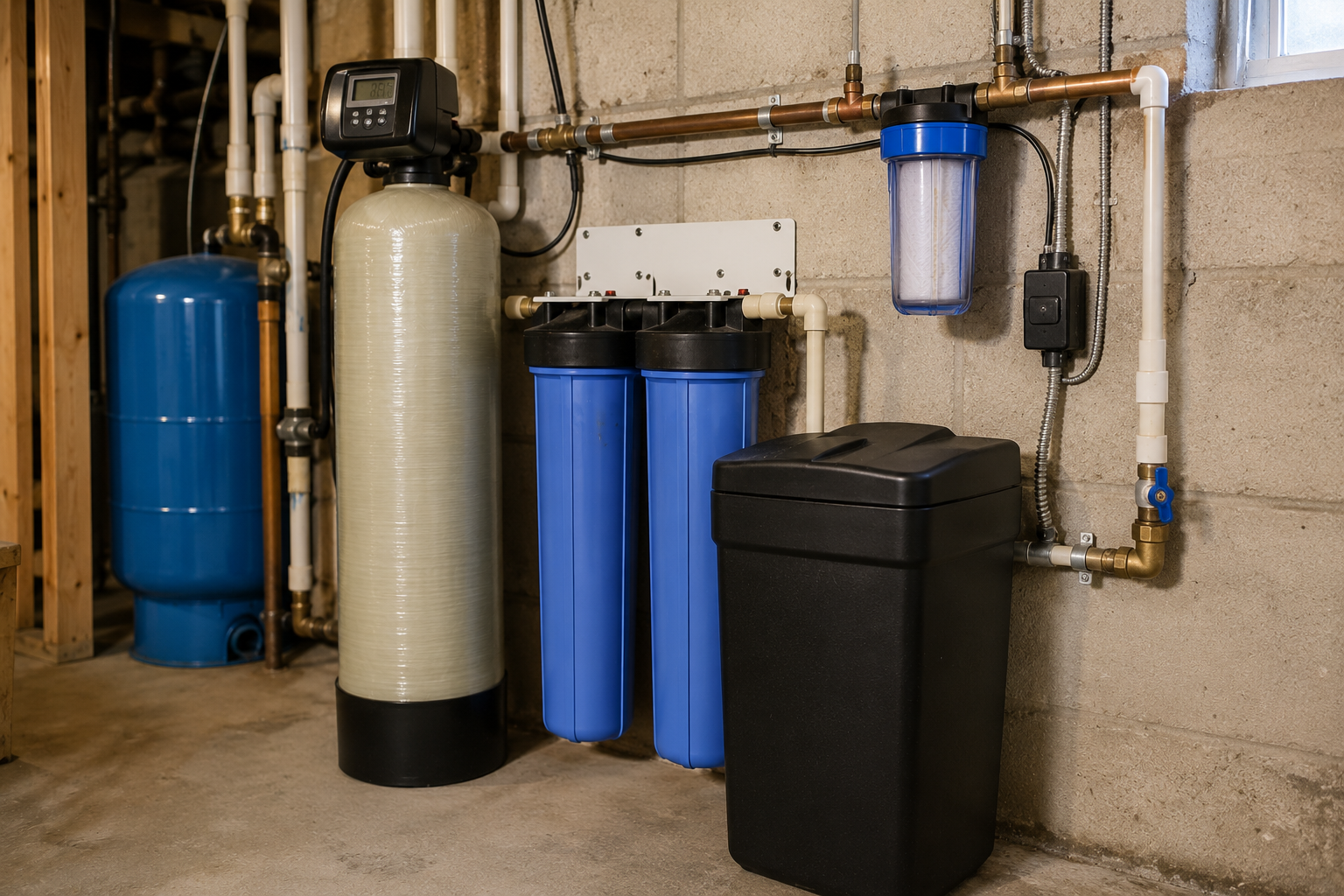
Installing a filtration system tailored to the specific contaminants in your water is one of the most effective ways to purify your well water. Some common filtration systems include:
- Iron Filters: These are designed to remove excess iron and manganese from the water, which can cause discoloration and unpleasant tastes.
- Arsenic Removal Systems: If your well water contains arsenic, a specialized filtration system can help remove it.
- UV Disinfection Systems: These systems use ultraviolet light to kill harmful bacteria and pathogens in the water, ensuring its safety.
2. Shock Chlorination
Shock chlorination involves adding chlorine to the well to disinfect it and kill harmful bacteria. This is an effective method for dealing with bacterial contamination, especially after heavy rain. Once the chlorination process is complete, the well is flushed to remove excess chlorine and any contaminants.
3. Well Pump and Tank Maintenance
Routine maintenance of your well pump and tank is essential to preventing contamination. If the well pump or tank is damaged, it can allow surface water to mix with the well water. Regular inspections help identify and fix any issues before they lead to contamination.
4. Seal the Wellhead
Ensure that the wellhead is properly sealed to prevent rainwater and debris from entering the well. A wellhead that’s securely sealed helps protect the water supply from future contamination.
Preventing Well Water Contamination from Future Storms
While treating contaminated water is essential, the best long-term strategy is to prevent contamination from occurring in the first place. Here are some preventive measures:
1. Wellhead Protection
Properly seal your wellhead to prevent rainwater from entering the well. This step is crucial in preventing surface contaminants from getting into your water supply. Regularly checking the seal and ensuring it remains intact will help protect your well from seasonal storms and runoff.
2. Regular Maintenance
Schedule annual inspections of your well system to ensure everything is functioning properly. A thorough inspection will check the well casing, cap, and pump for any cracks or issues that might allow contaminants to enter.
3. Proper Drainage
Ensure that the area around your well is well-drained. Installing a proper drainage system will help prevent water from pooling around the well and potentially contaminating the water supply. Additionally, make sure that the ground slopes away from the well to direct surface water further from the wellhead.
4. Install a Properly Sealed Well Cap
A securely sealed well cap is vital for keeping rainwater and surface contaminants out of the well. This simple step can protect your well from contamination during future storms. By following these preventive steps, you can protect your well from future contamination and ensure that your water remains clean and safe to use for years to come.
Conclusion
Understanding how heavy rain affects well water and knowing the right steps to take afterward can help ensure your water remains safe and clean. For homeowners in Litchfield County, regular water testing and prompt treatment of any contamination are essential to maintaining a safe water supply. By taking preventive measures, you can protect your well from future contamination and ensure your water remains safe for drinking and daily use.
At Housatonic Valley Well Pump Services, we focus on improving the efficiency of your well pump system to help save on energy costs. Get in touch with us today to learn how we can reduce your electricity expenses and keep your water supply system running smoothly.
FAQs
Is rain good for well water?
Rainwater replenishes the groundwater supply, but it can also introduce contaminants into wells. While rain is necessary for maintaining a healthy water supply, it’s important to ensure that your well is properly sealed to prevent contamination.
Can heavy rain make well water dirty?
Yes, heavy rain can wash pollutants like dirt, animal waste, and chemicals into your well, making your water dirty. It can also introduce bacteria and minerals like iron, which affect the taste and safety of the water.
Why is my well not working after heavy rain?
Heavy rain can cause debris and sediment to enter your well, reducing water flow and pressure. It may also cause your pump to malfunction if it’s clogged or damaged by the influx of surface water.
How can I prevent my well water from being contaminated after heavy rain?
To prevent contamination, ensure that your wellhead is properly sealed and that your well cap is intact. Regular maintenance and inspections will help keep your well functioning properly and avoid contamination.