


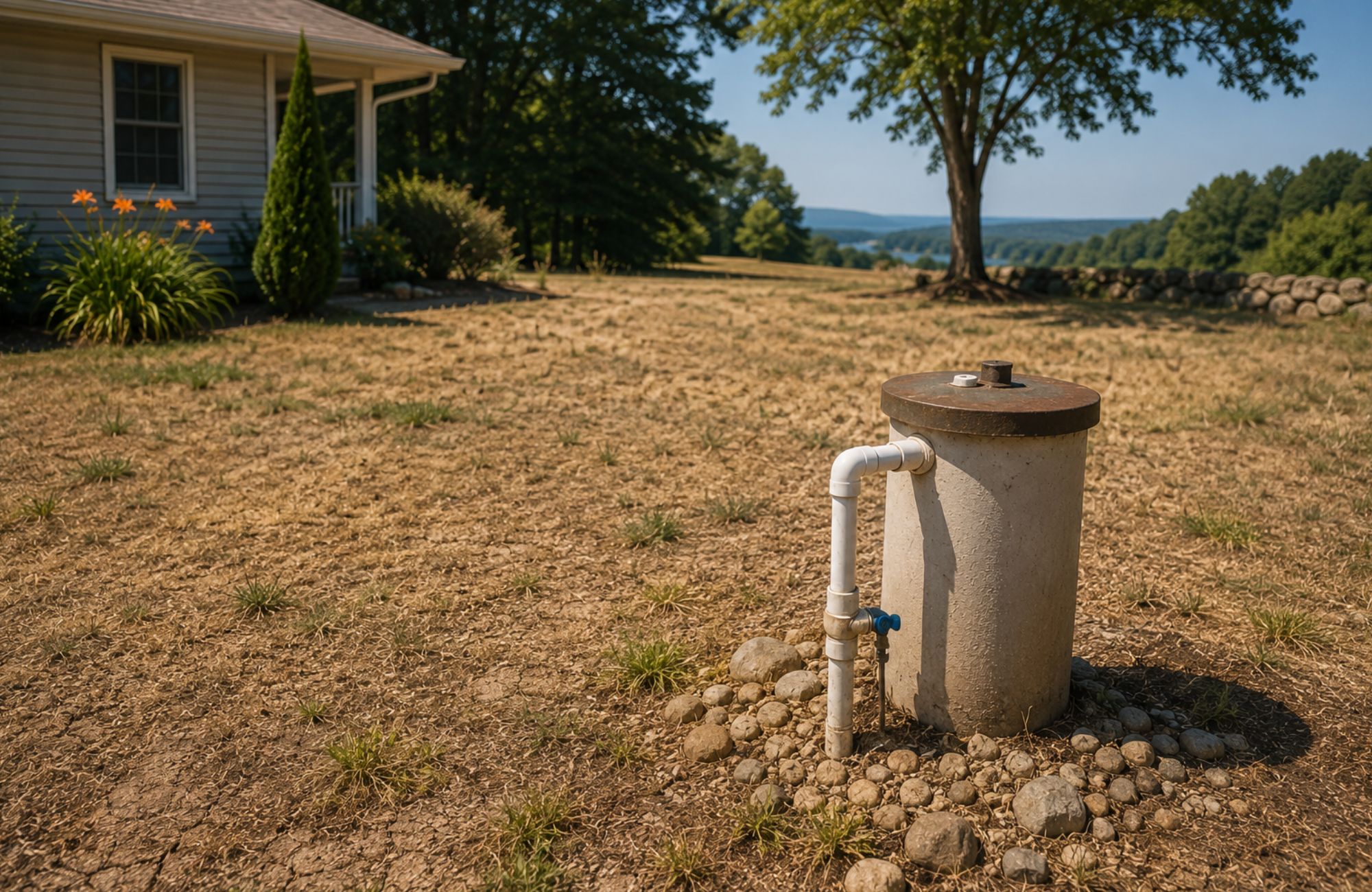
Groundwater is the primary source of drinking water for many homes in Litchfield and Upper Fairfield Counties, Connecticut, where private wells rely on a stable underground supply to operate reliably. When groundwater levels shift, even slightly, it can affect water pressure, flow consistency, and overall system performance. These changes are often more noticeable during extended dry periods or seasonal drops in recharge, particularly in areas with shallow aquifers. Over time, continued decline can place stress on well components and increase the risk of system failure.
Because these changes often develop gradually, it is important to recognize early warning signs. For example, a well that maintains steady pressure in spring may begin losing pressure during late summer after several weeks of low rainfall, indicating reduced recovery rather than immediate system failure. When depletion outpaces recharge, wells may begin to show reduced output, inconsistent pressure, or early signs of water quality issues. In some cases, a water filtration system can help manage sediment or mineral changes, but it does not address the underlying drop in supply.
What Are Groundwater Levels?
Groundwater levels refer to the amount of water stored in underground aquifers, which act as natural reservoirs beneath the surface. These aquifers hold freshwater that fills the spaces between soil and rock, and they are continuously replenished through rainfall and snowmelt that seep into the ground. The top level of this stored water is called the water table, and it rises or falls depending on how much water enters or leaves the system. In many areas, groundwater provides a reliable source of drinking water because it is naturally filtered as it moves through layers of soil.
In Connecticut, groundwater levels vary throughout the year due to seasonal changes in precipitation and water use. During wetter periods, more water enters the ground, raising the water table and increasing the available supply. During dry periods, less water enters the system, and groundwater decline begins as water is used faster than it is replaced. This balance between recharge and depletion determines how stable a well system remains over time.
What Causes Changes in Groundwater Levels?
Several factors influence groundwater level changes, and these factors often interact with one another rather than acting independently. Seasonal cycles play a major role, as groundwater recharge is typically higher during fall and winter when evaporation is lower and soil conditions allow more water to seep into the ground. In contrast, summer months often bring reduced rainfall and increased water use, which leads to gradual groundwater decline. Over time, repeated seasonal deficits can reduce the ability of aquifers to maintain consistent supply.
The most common contributing factors include:
- Seasonal rainfall and snowmelt patterns that control groundwater recharge
- Extended dry spells that reduce how quickly aquifers refill
- Human activities such as irrigation and increased water use in residential areas
- Pumping from multiple wells drawing from the same aquifer
- Soil conditions that affect how water moves into underground storage
In some regions, land subsidence can occur when groundwater is removed faster than it can be replaced, causing the ground above the aquifer to settle. While this is more common in arid regions, it highlights how sensitive groundwater systems can be to long term changes in water levels.
How Changes in Groundwater Levels Affect Your Well Pump System
Changes in groundwater levels affect how efficiently a well pump can deliver water to a home, and the impact is often gradual before becoming severe. As groundwater levels decline, the pump must work harder to lift water from a lower depth, increasing energy use and mechanical stress. This added strain can reduce system efficiency and lead to longer run times, especially during periods of high demand. Over time, this continuous strain contributes to wear on internal components.
When groundwater levels drop below the pump intake, the system may begin pulling air or sediment instead of water. This condition is commonly referred to as running dry, and it can lead to rapid overheating because pumps rely on water for cooling. In addition, sediment can enter the system when the pump draws from lower levels in the well, which can damage internal parts and reduce overall performance. These combined effects make groundwater decline one of the leading causes of pump failure.
Effects on Well Pump Functionality
The effects of groundwater decline on pump functionality often develop in stages, starting with minor performance issues and progressing to more serious problems. One of the earliest signs is reduced water pressure, particularly during times of peak water use when the system cannot maintain consistent flow. As groundwater levels continue to drop, pressure may fluctuate, and water delivery may become unreliable. These changes indicate that the well is no longer able to keep up with demand.
As the situation worsens, sediment may begin to enter the system, leading to clogged filters and increased wear on pump components. At the same time, pumps may run longer cycles in an attempt to maintain pressure, which increases heat buildup and mechanical stress. Over time, these conditions can lead to system failure if not addressed.
Common Pump Issues Caused by Groundwater Decline
- Low or fluctuating water pressure
- Increased pump run time and energy use
- Sediment entering the system
- Overheating due to insufficient water flow
- Risk of complete pump failure
Signs Your Well Pump Is Affected by Groundwater Fluctuations
Groundwater level changes often produce warning signs before a complete loss of water supply occurs. These signs may appear gradually and can be mistaken for minor system issues if not recognized early. Homeowners may notice changes in pressure, water clarity, or pump behavior that seem inconsistent at first. Over time, these symptoms usually become more frequent as groundwater levels continue to decline.
Key warning signs include:
- Faucets that sputter due to air in the system
- Pressure drops during normal water use
- Cloudy or sediment-filled water
- Pump running longer than usual
- Intermittent loss of water flow
When several of these signs occur together, it often indicates that the well is struggling to recover between uses and may be approaching a critical point.
When Groundwater Changes Become a Problem
Not all groundwater level changes require immediate action, but certain conditions indicate a higher risk of system failure. Issues become more serious when pressure drops during normal use, the pump runs continuously, or water quality changes suddenly. If multiple symptoms occur together, it often means the well is no longer recovering fast enough to meet demand.
Monitoring is usually sufficient when changes are minor and temporary, such as short-term pressure drops during peak use. However, consistent performance issues over several days or weeks suggest a deeper groundwater decline that should be addressed. Identifying this difference early can prevent pump damage and water supply interruptions.
How to Protect Your Well System
Protecting a well system from groundwater level changes requires consistent monitoring and preventative maintenance. Regular inspections help identify early signs of groundwater decline, such as reduced recovery rates or increased sediment. Monitoring groundwater levels over time provides valuable data that can reveal long-term trends and help predict potential issues. Without this type of monitoring, problems often go unnoticed until they result in system failure.
Effective protection strategies include:
- Monitoring groundwater levels to track changes over time
- Installing pump protection systems to prevent running dry
- Managing water use during periods of low supply
- Using filtration systems to protect against sediment and contaminants
- Scheduling routine maintenance to detect early issues
These steps help maintain a stable water supply and reduce the risk of damage to well components.
How Groundwater Changes Affect Water Quality
Changes in groundwater levels also affect water quality by altering the depth and source of the water being drawn into the well. As levels drop, wells draw from deeper sections of the aquifer where mineral concentration is higher. This can lead to noticeable changes in taste, color, and clarity, even if the water supply remains consistent. In many cases, water quality issues appear before significant supply problems develop.
Common Water Quality Changes
| Issue | Cause | Impact |
| Iron and manganese | Deeper groundwater sources | Staining and metallic taste |
| Sediment | Lower water levels | Cloudy or gritty water |
| Sulfur | Changing groundwater conditions | Unpleasant odor |
| Contaminants | Reduced natural filtration | Potential health concerns |
These changes can affect drinking water quality and should be monitored closely to ensure safety and usability.
Solutions to Improve Well Water Quality
Improving water quality in response to groundwater changes requires targeted solutions based on the specific issues present. Water testing is an essential first step, as it provides accurate data on mineral levels, contaminants, and overall quality. Once the source of the problem is identified, appropriate filtration systems can be installed to address specific concerns such as sediment, iron, or sulfur. For homes experiencing increased hardness due to deeper groundwater sources, installing a water softener can help reduce mineral buildup and improve overall water usability.
Ongoing maintenance and monitoring are also critical for maintaining water quality over time. Groundwater level changes can continue to affect water composition, especially during seasonal transitions or extended dry periods. Regular testing and system adjustments help ensure that water remains safe and consistent. This approach allows homeowners to respond effectively to changing groundwater conditions.
Conclusion
Changes in groundwater levels are one of the most important factors affecting well performance in Connecticut, particularly in areas that rely heavily on groundwater for drinking water. Groundwater decline can reduce water supply, affect water quality, and place significant stress on well pump systems over time. These changes often develop gradually, making it important to recognize early warning signs and take preventative action.
If you’re experiencing any issues with your well pump or water quality, Housatonic Valley Well Pump Services is here to help. Contact us today for expert inspection, maintenance, and repair solutions in Litchfield and Upper Fairfield Counties.
FAQs
What changes groundwater levels?
Groundwater levels change due to rainfall, water use, and seasonal recharge patterns. During wetter periods, recharge increases and raises the water table. During dry spells, reduced replenishment leads to groundwater decline.
Why do wells fail more often in summer?
Wells fail more often in summer because water demand increases while groundwater recharge decreases. This causes water levels to drop closer to or below the pump intake. As a result, the system may lose pressure or struggle to maintain a consistent supply.
Why are groundwater levels decreasing long-term?
Groundwater levels are decreasing due to increased water use and slower natural recharge. In many areas, aquifers are being used faster than they can be replenished. Over time, this leads to gradual groundwater depletion and reduced water availability.
What happens when groundwater levels decrease?
When groundwater levels decrease, the well may struggle to maintain consistent pressure and flow. Pumps can overheat if they begin running without enough water. Sediment and minerals may also enter the system, affecting water quality.