


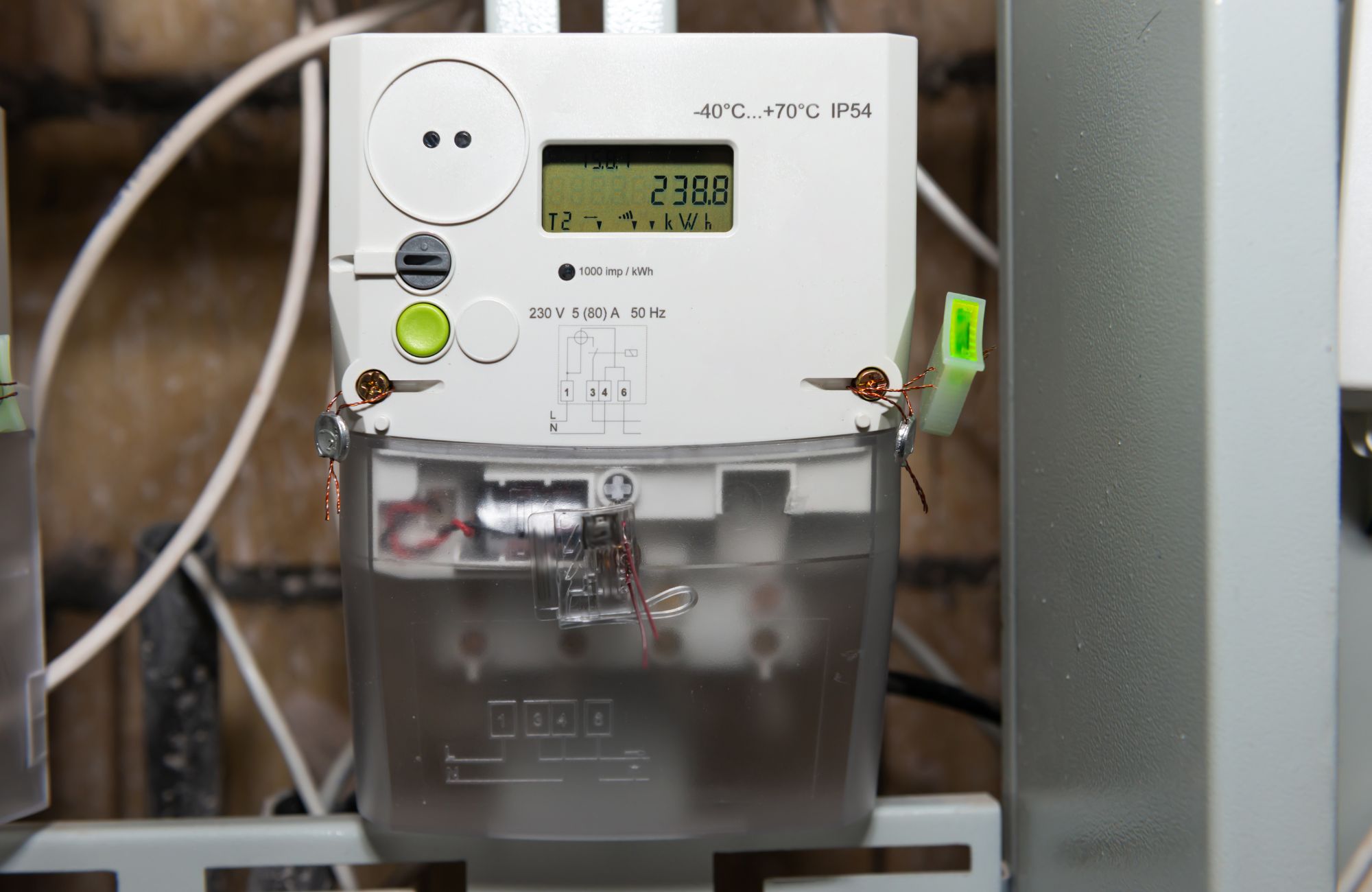
Understanding well pump power usage is essential for homeowners in Litchfield County, CT, where many rely on private well systems for their water supply. Knowing how much energy consumption your well pump requires can help you optimize your system, lower your electricity bills, and ensure that your water supply remains reliable.
In this comprehensive guide, we’ll explore everything from pump wattage and power consumption to energy-efficient solutions that can help reduce your monthly electricity costs. Whether you’re dealing with high electricity bills or you’re simply curious about how much power your well pump system uses, we’ve got you covered. Plus, we’ll show you how to maximize the efficiency of your well pump, so you can save energy and avoid costly power outages.
What Affects Well Pump Power Usage?
Several factors affect the well pump power usage in your home. These include the pump type, the size of the pump, the water flow, and the pressure tank. Here’s a breakdown of the key components:
Pump Type
There are different types of well pumps, and each consumes varying amounts of energy. Submersible well pumps, which are submerged in the well and push water to the surface, are generally more energy-efficient than jet pumps, which operate above ground and pull water. Submersible pumps tend to consume less power due to their design, making them ideal for homeowners looking to save energy in the long term.
Well Depth
The deeper your well, the more power your pump motor needs to use in order to pump water to the surface. Deeper wells require more energy to overcome the additional pressure, resulting in increased power consumption. As a result, if you have a deep well, your pump’s horsepower and motor size will directly influence pump wattage and energy usage.
Pressure Tank Size
A pressure tank plays an important role in regulating water pressure and limiting the number of times the pump cycles. If your pressure tank is too small or malfunctioning, the pump will run more often, increasing power consumption. A properly sized pressure tank reduces the number of cycles, thus minimizing electricity usage.
Water Usage
The more water you use, the more power your pump will need to supply. Large families or homes with high water demand will see higher energy bills due to the frequent operation of their pump. The pump will need to run more often to meet the higher demand, leading to increased energy consumption and electricity costs.
How to Calculate Well Pump Electricity Consumption
Calculating your well pump’s electricity consumption can help you understand your electricity costs and take control of your energy usage. Here’s how you can calculate it:
- Determine Pump Power Consumption: Most well pumps are rated by horsepower (HP), and each HP consumes a certain number of watts. For example:
- A 1 HP well pump typically uses 750 watts.
- A 2 HP well pump can use up to 1,500 watts.
- Multiply by Pump Run Time: Estimate how many hours your well pump runs each day. For instance, if your pump runs for 1 hour per day and it’s a 1 HP pump, it will consume 750 watts per day.
- Calculate Monthly Usage: To calculate your monthly energy usage, multiply your daily consumption by the number of days your pump runs each month. For example:
- 750 watts/day x 30 days = 22,500 watts/month (or 22.5 kWh)
- Estimate Monthly Costs: Multiply the total monthly wattage by your local electricity rate (measured in kilowatt-hours (kWh)). For example, if your local electricity rate is $0.18 per kWh, the calculation would be:
- 22.5 kWh x $0.18 = $4.05 per month
Average Energy Costs for Well Pumps in Litchfield County
In Litchfield County, the average well pump uses between 700 and 1,200 watts per hour, depending on the size and type. Here’s a breakdown of typical monthly costs for homeowners in the area:
| Pump Size | Power Consumption (W) | Monthly Energy Use (kWh) | Monthly Cost (at $0.18/kWh) |
| 1 HP | 750 watts | 22.5 kWh | $4.05 |
| 1.5 HP | 1,125 watts | 33.75 kWh | $6.08 |
| 2 HP | 1,500 watts | 45 kWh | $8.10 |
For homes with larger water demands or deeper wells, these costs can increase. But the good news is that by upgrading to a more energy-efficient pump or performing regular well pump maintenance, you can significantly reduce your monthly electricity costs.
How to Reduce Well Pump Energy Costs
To reduce your well pump energy consumption, start by upgrading to an energy-efficient pump, such as a submersible pump, which is typically more efficient than jet pumps. Submersible pumps operate in the well and don’t need to fight gravity to pump water, saving energy in the process. Installing a larger pressure tank can also help, as it reduces the number of times your pump cycles on and off. Fewer cycles mean less energy use.
Additionally, optimizing your water usage can make a significant impact. Installing low-flow faucets and fixing leaks can prevent your pump from running unnecessarily, reducing overall energy consumption. Finally, scheduling regular maintenance ensures that your pump operates efficiently by preventing issues like mineral buildup or a clogged pressure switch, which can cause your pump to work harder and use more energy.
When to Call for Emergency Well Pump Service
If you notice any of the following signs, it may be time to call for emergency well pump service:
- Air Sputtering or Low Water Pressure: If you’re hearing air sputtering from your faucets or noticing low water pressure, it could indicate a clogged pressure switch or pump malfunction, which can increase power consumption.
- Frequent Pump Cycling: If your pump is turning on and off frequently, it may be struggling with a mechanical issue, causing it to use more energy than necessary.
- Power Surges: A sudden surge in power usage or electricity spikes can be a sign of a failing well pump. Call for immediate service to prevent further damage to your pump motor.
Conclusion
Understanding your well pump’s power usage is crucial for managing your energy consumption and reducing your electricity costs. By identifying the factors that affect your pump’s energy efficiency, such as pump type, well depth, and water usage, you can make informed decisions about upgrades, maintenance, and optimization. Regular well pump inspections and energy-efficient solutions can help lower your monthly electricity costs, extend the lifespan of your system, and ensure a reliable water supply without unnecessary strain on your power bills.
At Housatonic Valley Well Pump Services, we specialize in optimizing well pump systems for efficiency and energy savings. Contact us today to learn how we can help you reduce electricity costs and keep your water supply system running smoothly.
FAQs
How much electricity does a well pump use per day?
A well pump typically uses 700–800 watts per hour. If your pump runs for 1 hour daily, it will consume approximately 750 watts per day or 22.5 kWh per month.
What is 1000 watts used for 1 hour?
A 1,000-watt appliance running for an hour will use 1 kilowatt-hour (kWh) of electricity. A 1 HP well pump using 750 watts would consume 0.75 kWh in an hour of operation.
How many watts does a well pump use?
A typical well pump uses between 700 and 2,000 watts, depending on its horsepower and the depth of the well. Larger pumps can use more power for deeper wells.
How much power does a 1HP well pump use?
A 1 HP well pump usually consumes around 750 watts per hour, but this can vary depending on the well depth and pump type.