


A home well system gives homeowners a private water supply pulled from underground aquifers and delivered directly into the house. In areas like New Milford, CT, and nearby towns such as Danbury and Brookfield, many households rely on well water systems instead of city water. This setup offers independence, but it also requires a clear understanding of how the system works and how to maintain it.
If you’ve ever dealt with no water, low water pressure, or concerns about water quality, your well system is often at the heart of the issue. Understanding how your system functions allows you to catch problems early and ensure your water remains safe. Well pump services are essential for repairing, installing, and maintaining your system, helping you avoid disruptions and maintain consistent water quality.
What Is a Home Well System?
A home well system is a private water system that pulls groundwater from underground aquifers and delivers it into your home using a pump, pressure tank, and filtration system. It provides fresh water for daily use without relying on city water infrastructure.
In Connecticut, many homes in rural areas depend on well water systems for drinking water, bathing, and cleaning. These systems draw water from deep below the ground through a well casing that protects the water from contamination. A properly installed system includes a well pump, pressure tank, water line, and treatment systems to keep water safe.
Unlike city water, which is treated at centralized facilities, well water requires homeowners to take responsibility for water quality. This means regular maintenance, proper filtration, and periodic testing through your local health department to prevent contamination from bacteria, sediment, or heavy metals.
Main Components of a Home Well System
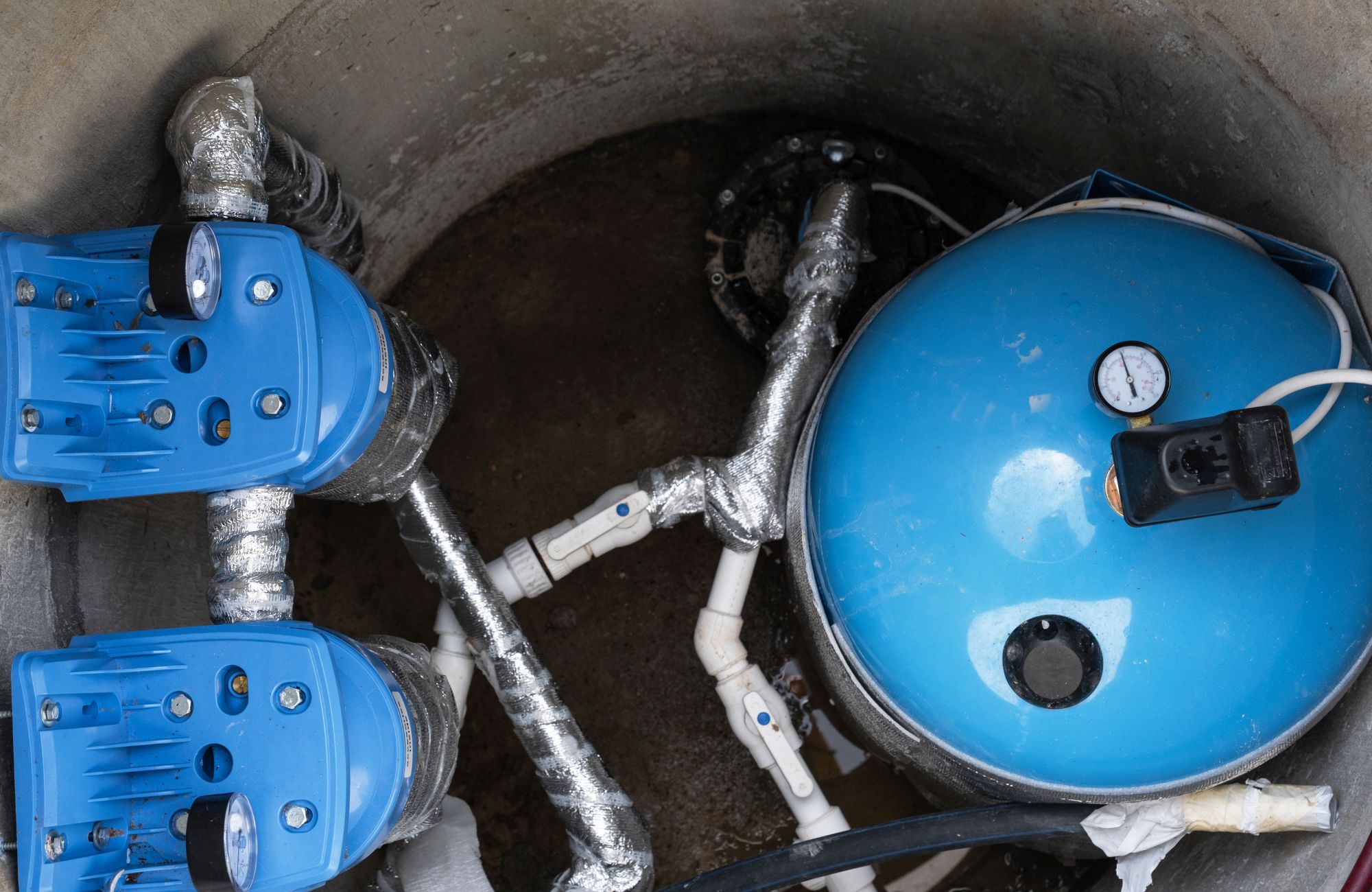
A home well system includes several basic components that work together to draw water from the ground and deliver it into your home at consistent pressure. Each part plays a key role in maintaining water flow and safety.
Before breaking them down, it’s important to understand that when one component fails, the entire system can be affected. That is why regular inspections and maintenance matter, especially in areas with known water quality challenges like iron or hard water buildup in Connecticut.
Key Parts Explained
- Well casing: A protective pipe that lines the well and prevents contamination from surface water, small animals, and debris
- Well pump: Either a submersible pump or a jet pump that moves water upward from underground aquifers
- Pressure tank: Stores water and regulates water pressure to maintain a steady flow throughout the home
- Pressure switch and pressure gauge: Control when the pump turns on and off based on pressure levels
- Check valve and pitless adapter: Help maintain pressure and prevent backflow into the well
- Filtration system: Removes sediment, bacteria, and other contaminants to improve water quality
| Component | Function | Common Issue |
| Pump | Moves water from the ground | Failure or no water |
| Tank | Maintains pressure | Low water pressure |
| Filtration system | Cleans water | Sediment or contamination |
When any of these parts fail, you may notice changes in water pressure, water flow, or water quality. If you suspect a problem, Housatonic Valley Well Pump Services can inspect your system and provide clear solutions across New Milford and nearby areas.
How a Home Well System Works Step by Step
A home well system works by drawing groundwater from underground aquifers, pushing it through a pump into a pressure tank, and delivering it through pipes into your home. This process allows you to access fresh water whenever needed. Understanding this process helps you identify where problems may occur. For example, if water flow stops, the issue could be with the pump, pressure switch, or power supply.
Step-by-Step Process
- Water enters the well from underground aquifers
- The well pump begins pumping water upward
- Water moves into the pressure tank for storage
- The pressure switch monitors pressure levels and activates the pump when needed
- Water flows through the water line into your home
This system runs automatically, adjusting based on your water usage. When pressure drops, the pump activates to refill the tank. When pressure reaches the correct level, the system shuts off to prevent overuse. Because the system relies on electricity, power outages can interrupt the water supply. This is one reason many homeowners install backup solutions or schedule regular maintenance to avoid unexpected disruptions.
Types of Home Well Systems
Home well systems vary depending on the depth of the well and the type of pump used. The two most common systems are shallow wells and deep wells, each designed for different conditions. In Connecticut, many properties require deeper wells due to groundwater levels and terrain. Choosing the right system depends on well location, water table depth, and household water usage.
Shallow vs Deep Wells
- Shallow wells: Typically less than 25 feet deep, and use a jet pump located above ground
- Deep wells: More than 25 feet deep, and use a submersible pump installed inside the well
A submersible pump is more efficient for deep wells because it pushes water upward instead of pulling it. This improves water flow and reduces strain on the system. Jet pumps are often used in older systems or shallow wells but may require more maintenance over time.
Common Problems With a Home Well System
Common problems with a home well system include no water, low water pressure, and poor water quality. These issues often point to pump failure, pressure tank problems, or contamination from sediment or bacteria. Understanding these problems helps you act quickly before damage worsens. Many homeowners wait too long, which leads to more expensive repairs or full system replacement.
No Water Suddenly
When your system stops producing water, the issue may involve the well pump, pressure switch, or electrical supply. Power outages can also interrupt pumping water. In some cases, the pump may have failed due to wear or scale buildup. Additionally, a clogged or damaged water line could prevent water from reaching your home, requiring immediate attention to avoid further disruptions.
Low Water Pressure
Low water pressure often comes from a failing pressure tank, a damaged pressure switch, or leaks in the water line. If pressure fluctuates frequently, the tank may not be maintaining proper storage levels. This can lead to inconsistent water flow, making daily tasks like showering or washing dishes frustrating. In some cases, sediment buildup or air in the system can also cause pressure issues. Identifying and addressing these problems early can prevent more significant damage and restore proper water pressure to your home.
Dirty or Smelly Water
Changes in water quality can signal contamination. Common causes include sediment, bacteria, or sulfur. In Connecticut, iron and hard water are also frequent concerns. A proper water filtration system or water softener can address these issues. If you notice any of these problems, our 24/7 emergency well pump service can restore your water quickly and safely.
Home Well System Maintenance Checklist
Regular maintenance helps your home’s well system operate efficiently and prevents unexpected failures. Without routine care, small issues can turn into major repairs. Homeowners should stay proactive with inspections and water testing to keep drinking water safe and clean.
Maintenance Checklist
- Test water quality annually through your local health department
- Inspect the pressure tank and pressure gauge for irregular readings
- Check the well cap for damage or contamination risks
- Monitor water pressure changes or unusual pump cycling
- Inspect filtration systems for sediment buildup
- Schedule professional inspections to maintain system performance
Routine maintenance also helps prevent contamination from surface water, bacteria, and other contaminants. This is especially important after natural disasters, which can impact groundwater safety.
Home Well System Costs and What to Expect
The cost of a home well system depends on installation, repair needs, and maintenance requirements. Factors such as well depth, equipment type, and water treatment systems all affect pricing. For example, replacing a well pump or pressure tank can vary depending on system size and accessibility. Water filtration systems and treatment systems may add to costs but improve water quality and safety.
Regular maintenance is often the most cost-effective way to avoid expensive repairs. Routine checks on the well pump, pressure tank, and water quality can help identify issues before they become major problems. By staying on top of maintenance, you can prevent costly emergency repairs, enhance the system’s efficiency, and ensure the longevity of your well system.
Why Choose a Local Well Pump Expert in New Milford, CT
Working with a local expert gives you faster service and a better understanding of regional water issues. In New Milford and nearby areas like Danbury, Brookfield, and Litchfield, water conditions vary due to groundwater composition.
At Housatonic Valley Well Pump Services, we provide:
- 24/7 emergency service for no-water situations
- Transparent pricing with no hidden fees
- Local expertise in iron, sediment, and hard water problems
- Full service for well pump repair, installation, and water treatment
Choosing a local provider means you get faster response times and solutions tailored to your specific well system.
Conclusion
A home well system provides a reliable water supply, but it requires proper care and understanding. From the well pump and pressure tank to filtration systems and water quality, every component plays a role in delivering safe water to your home. By learning how your system works and recognizing early warning signs, you can avoid major issues and keep your water flowing smoothly. Regular maintenance and professional inspections are essential for ensuring your well system performs efficiently and lasts for years to come.
At Housatonic Valley Well Pump Services, we help homeowners across New Milford and surrounding Connecticut towns with expert well pump repair, inspections, and water treatment solutions. Contact us today for fast, honest service you can trust.
FAQs
How does a home well water system work?
A home well water system pulls groundwater from underground aquifers using a pump and delivers it into your home through a pressure tank. The system automatically adjusts based on water usage to maintain consistent pressure. This setup provides a private and reliable water supply without relying on city water.
What are the three types of wells?
The three main types of wells are dug wells, driven wells, and drilled wells. Drilled wells are the most common for modern homes because they reach deeper groundwater sources and provide more consistent water quality. Each type varies based on depth, construction, and water supply reliability.
What is the best system for well water?
The best system for well water depends on your water quality and household needs. Most homes benefit from a combination of a submersible pump, a pressure tank, and a whole-house water filtration system. Adding treatment systems like water softeners can improve water quality and protect your plumbing.
What is a home well pump?
A home well pump is the device that moves water from underground into your home. It can be a submersible pump placed inside the well or a jet pump located above ground. The pump works with the pressure switch and tank to maintain steady water pressure throughout your system.