


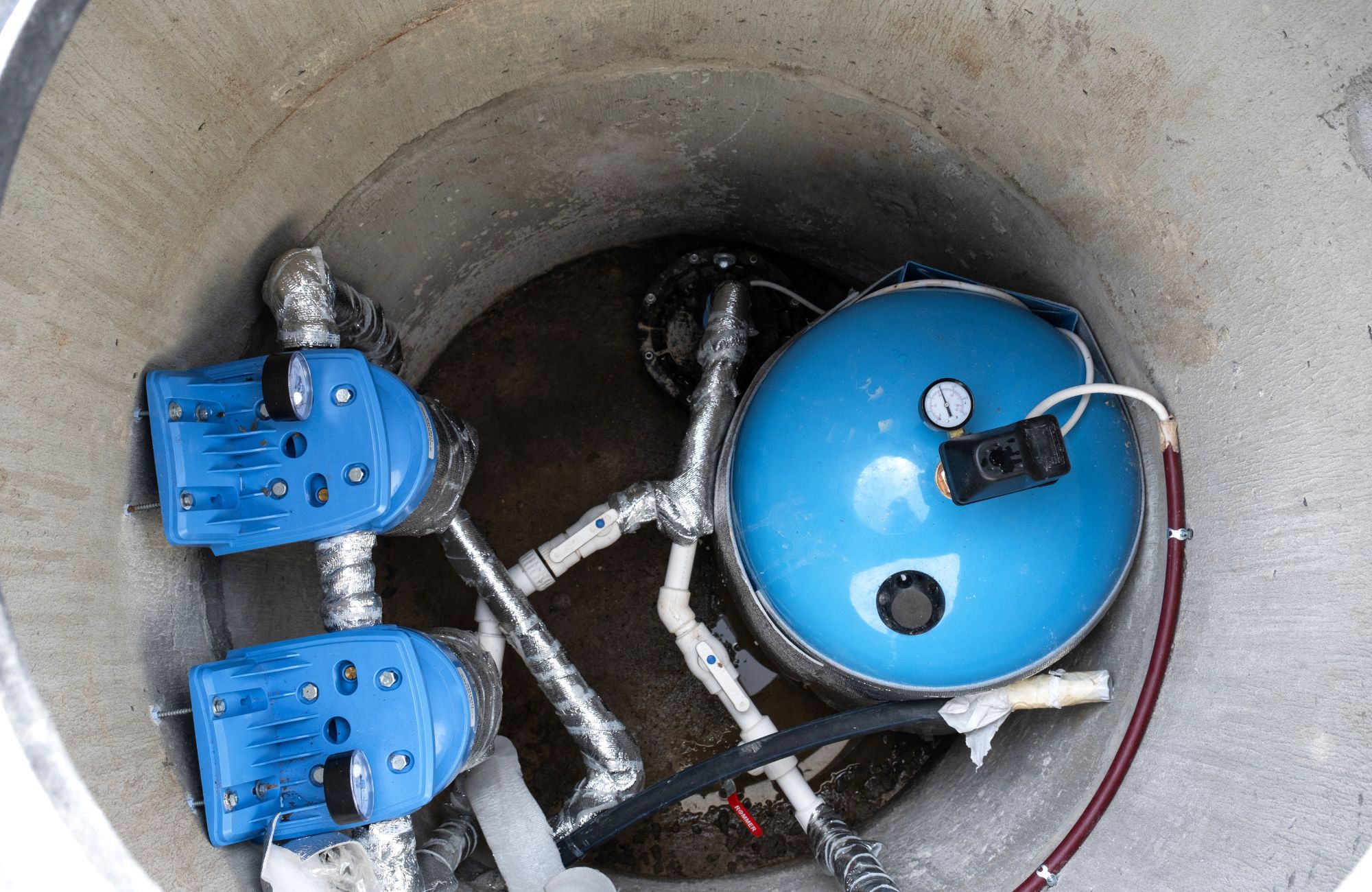
When it comes to ensuring a consistent water flow for your home, few systems are as essential as the electric well pump. Whether you rely on submersible pumps or other types of well pumps, the system you choose plays a critical role in delivering water efficiently, especially if you’re dealing with issues like low water pressure or water quality concerns. In Litchfield County, Danbury, or any of the surrounding Connecticut towns, the right electric well pump is vital to maintaining a steady water level for your household needs.
In this guide, homeowners will find everything they need to know about electric well pumps, from installation and maintenance to common issues and troubleshooting tips. Whether you’re considering a new submersible well pump for a deep well or need well pump service for your current system, this guide provides the information needed to make informed decisions.
What is an Electric Well Pump?
An electric well pump uses electricity to pump water from a well and deliver it to your home. These pumps are commonly used for both residential and commercial purposes, providing reliable water flow for households that rely on private well systems.
Electric well pumps are designed to fit different well depths, making them suitable for both shallow wells and deep wells. For deep wells, submersible pumps are often the preferred choice because they are built to handle the higher water level and pressure required to bring water from deeper sources. The motor type in a submersible pump is designed to work efficiently at greater depths.
Types of Electric Well Pumps
When choosing an electric well pump for your property, it’s essential to consider both the well depth and the amount of water flow you need. Each type of pump is designed for a specific range of well depths and water flow rates, and understanding these differences can help you select the most efficient option for your home.
1. Submersible Pumps
Submersible pumps are the most common type of electric well pump, especially for deep wells. These pumps are placed inside the well and operate completely submerged in water. Submersible pumps are ideal for maintaining consistent water flow and ensuring high efficiency, even in deeper wells.
Advantages:
- Highly efficient for deep wells, where water needs to be pushed to the surface.
- Operate quietly and with minimal maintenance, as they are fully submerged and protected from debris.
- Designed for water levels that fluctuate, maintaining steady performance even in varying well depths.
Best for: Homes with deep wells, typically over 25 feet deep.
2. Jet Pumps
Jet pumps are used for shallow wells and rely on suction to draw water. These pumps are mounted above ground, making them easier to install and maintain, but they are less efficient than submersible pumps for deeper installations.
Advantages:
- More affordable and easier to install.
- Ideal for shallow wells (usually under 25 feet deep) where water can be drawn using suction.
- Lower energy consumption than submersible pumps in shallow installations.
Best for: Homes with shallow wells or where cost is a concern.
3. Centrifugal Pumps
Centrifugal pumps are often used in larger applications, such as farms or industrial sites, where high water flow is necessary. These pumps use an impeller to move water quickly and efficiently, making them ideal for large systems.
Advantages:
- Excellent for high-volume water movement, ideal for large systems.
- Durable and capable of maintaining consistent water flow over long distances.
Best for: Large residential properties or commercial applications where large volumes of water are required.
How to Install an Electric Well Pump
Installing an electric well pump is a task that requires professional expertise to ensure proper functionality and safety. Here’s a high-level overview of how the installation process works:
Step-by-Step Guide to Electric Well Pump Installation:
- Select the Correct Pump: Based on your well depth and the required water flow rate, choose the appropriate motor type and pump (submersible, jet, or centrifugal).
- Prepare the Well: Ensure the well is clear of debris and accessible for pump installation.
- Lower the Pump: For submersible pumps, lower the pump into the well, securing it with the necessary wire and pipe.
- Connect the Power Supply: A licensed electrician should handle the motor wiring to ensure safety and proper electricity connections.
- Test the System: Once connected, test the pump to make sure it’s operating correctly and efficiently.
Housatonic Valley Well Pump Services offers electric well pump installation throughout Litchfield County, including New Milford and Brookfield. We provide expert guidance and ensure your well pump is installed with precision for optimal water flow.
Electric Well Pump Maintenance
Regular maintenance is critical to the longevity and efficiency of your electric well pump. Without proper care, pumps can fail prematurely, leading to costly repairs. Here’s a breakdown of the key maintenance tasks for your electric well pump:
Common Maintenance Tasks for Electric Well Pumps:
- Check the Pressure Tank: Ensure the pressure tank is operating at the correct pressure, which helps maintain consistent water flow and prevents strain on the pump.
- Inspect for Leaks: Examine all pipes and connections for any signs of leaks, which could cause a loss of pressure or water damage.
- Clean the Pump: Periodic cleaning helps prevent clogs and buildup that could hinder the pump’s ability to operate efficiently.
- Test the Pressure Switch: The pressure switch regulates water flow. A malfunctioning switch could cause erratic water pressure.
Housatonic Valley Well Pump Services offers annual inspections and maintenance packages to keep your electric well pump running smoothly. Whether you’re in Southbury, Wolcott, or New Milford, we’ve got you covered with comprehensive service.
Troubleshooting Common Electric Well Pump Problems
Even with regular maintenance, problems can arise with your electric well pump. Here are some common issues and troubleshooting tips to resolve them:
1. No Water
- Possible Cause: A failed pressure switch, pump failure, or power outage.
- Solution: Check the electrical connections and reset the circuit breaker. If no water is coming from the pump, it may need repair or replacement.
2. Low Water Pressure
- Possible Cause: Clogged pipes, air in the system, or a malfunctioning pressure switch.
- Solution: Clean the filter and check the pressure switch. If the problem persists, you may need to replace the pressure tank or pump.
3. Pump Making Strange Noises
- Possible Cause: Debris or buildup inside the pump or pressure tank.
- Solution: Inspect the pump for debris and clean it. If the noise continues, it might need professional servicing.
If you’re facing any of these issues or need quick repairs, Housatonic Valley Well Pump Services is available 24/7 to provide fast and reliable solutions in Litchfield County and beyond.
Cost of Electric Well Pumps & Installation
The cost of installing an electric well pump can vary based on the type of pump, the depth of the well, and the installation complexity. Here’s a cost breakdown:
Average Cost Breakdown:
- Submersible Pumps: $1,500 – $3,500 (including installation)
- Jet Pumps: $500 – $1,500
- Centrifugal Pumps: $2,000 – $6,000 (for large systems)
When you invest in a high-quality electric well pump, you’re ensuring consistent water flow and reliable pump performance. Housatonic Valley Well Pump Services provides upfront pricing with no hidden fees. We offer free quotes and transparent pricing so you’ll know exactly what to expect. Contact us for a no-obligation quote for well pump installation in Danbury and the surrounding areas.
Signs Your Electric Well Pump is Failing
Recognizing the early signs of pump failure can help prevent more severe issues. Here are a few common signs that your electric well pump may need service:
- Inconsistent Water Flow: Fluctuating or low water pressure can indicate pump wear or debris buildup.
- Unusual Noises: Grinding or humming sounds from the motor or pump can point to failure or debris inside.
- Water Quality Issues: Contaminated water or irregular flow could indicate a problem with the pump or filtration system.
If you notice any of these signs, don’t hesitate to contact Housatonic Valley Well Pump Services for an inspection.
Conclusion
An electric well pump is essential for maintaining a consistent water flow in your home. Whether you need installation, maintenance, or troubleshooting, it’s important to keep your well pump in top condition to ensure reliable performance. Regular care and timely repairs can prevent costly issues and prolong the life of your system, ensuring your home always has access to clean, fresh water.
If you’re experiencing issues with your electric well pump or just need advice, feel free to reach out to Housatonic Valley Well Pump Services. We’re here to answer your questions and provide the support you need to keep your well system running smoothly. Contact us today, and let us help you ensure the longevity and efficiency of your well pump.
FAQs
How does an electric well pump work?
An electric well pump uses electricity to draw water from an underground well and deliver it to your home. It works by using either a jet pump or a submersible pump that pushes water through pipes to the surface.
How much does it cost to install an electric well pump?
The cost of an electric well pump can range from $500 for smaller jet pumps to over $3,500 for high-end submersible pumps, including installation.
How much is the deep well pump in the Philippines?
The cost of a deep well pump in the Philippines varies depending on the brand and type, typically ranging from $300 to $1,200.
What are the two types of well pumps?
The two primary types of well pumps are submersible pumps, ideal for deep wells, and jet pumps, which are better suited for shallow wells.