


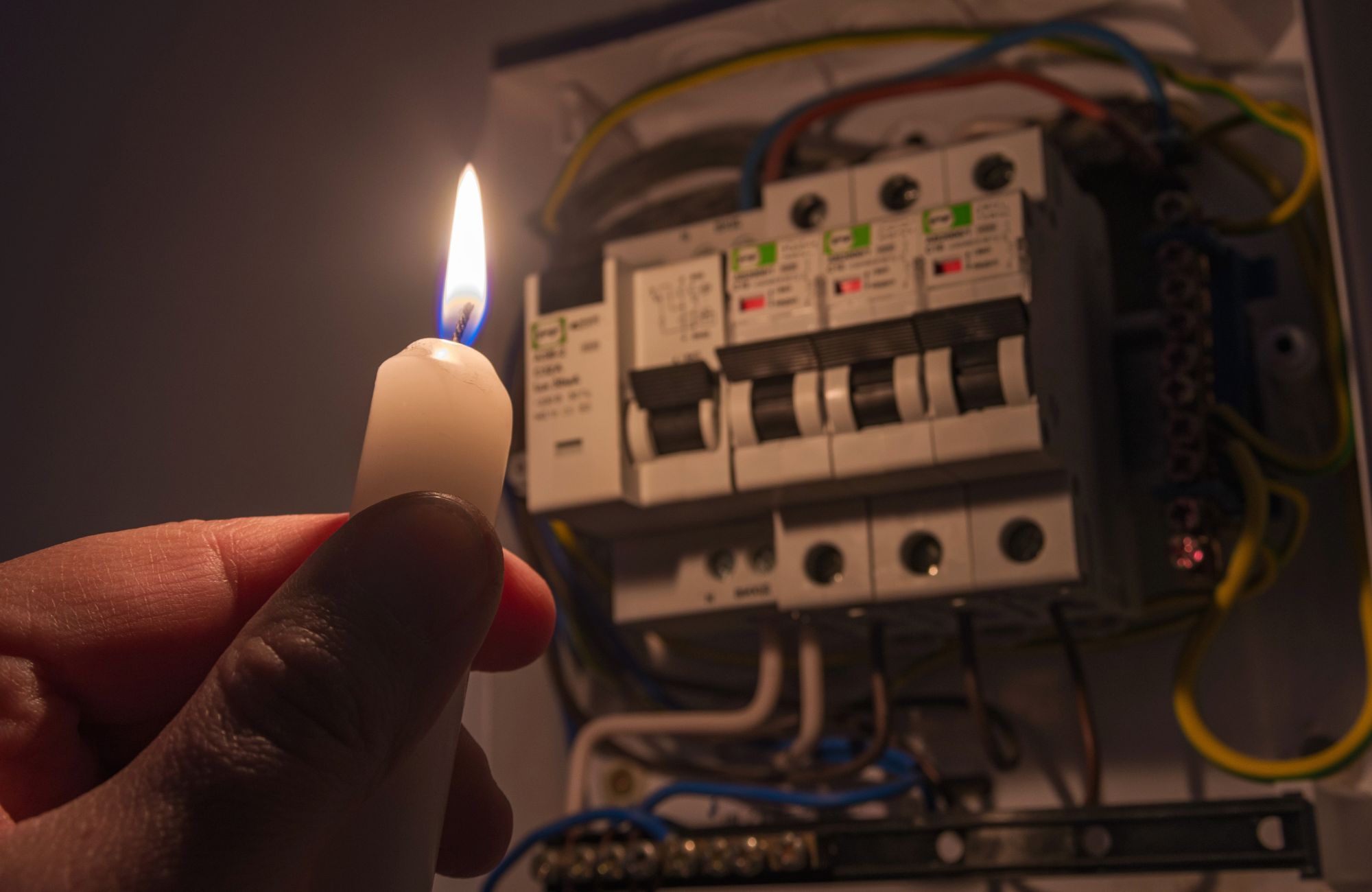
Power outages can happen at any time, and when they do, it’s often the well pump that takes the biggest hit. For homeowners relying on well water for their daily needs, whether it’s for drinking, cooking, or keeping the toilet tank filled, a power outage can leave them without essential services. In New Milford, CT, where many homes rely on private well systems, it’s important to know how to power a well pump during a power outage and ensure that your water supply isn’t interrupted when you need it most.
This guide explores the various backup power options available, offering solutions for homeowners in New Milford and the surrounding areas to keep their well pumps running during a power failure. Whether you need to rely on a generator, a battery backup, or a manual option, we’ve got you covered.
If you’re facing a no-water situation or need professional help setting up a backup power system for your well pump, reach out to Housatonic Valley Well Pump Services. We provide 24/7 emergency well pump services in New Milford, CT, and nearby towns.
What Happens to Your Well Pump During a Power Outage?
When the power goes out, homeowners with well systems often find themselves without running water. This is because most well pumps are electrically powered, and without power, the pump can’t draw water from the well. Whether you have a submersible pump or a jet pump, both types depend on electricity to function.
Why is This a Problem?
A lack of power to your well pump means that you won’t have access to water for drinking, cooking, or even basic household tasks like flushing toilets. For some homes, especially those in rural areas like New Milford, CT, the situation can become even more urgent if the power outage lasts for an extended period.
Here’s a breakdown of the common problems caused by power outages:
- No potable water: Without a pump, water isn’t drawn from the well.
- Low water pressure: Even if you can draw water manually, it’s likely that your plumbing won’t have enough pressure to reach faucets or toilets.
- Plumbing issues: A dry well or inadequate pressure can lead to leaks and clogs in your pipes, causing further damage.
Fortunately, there are solutions to keep your well pump powered during an outage, so you don’t have to worry about these disruptions.
Backup Power Options for Your Well Pump
When it comes to powering your well pump during a power outage, you have several options to choose from. The best backup power solution for your home depends on the duration of the outage and your household’s needs. Below are the most common backup power options available:
1. Generators: The Most Reliable Backup Power Source
A portable generator is one of the most popular solutions for powering a well pump during an outage. It can be connected directly to your well’s electrical system and provide power for the pump until the power is restored. Here are some key points to consider when using a generator:
- Size matters: The generator you choose must be large enough to handle the power demand of your well pump and other essential systems in your home.
- Manual vs. automatic transfer switch: A manual transfer switch is cheaper but requires you to plug in the generator and manually switch the power supply. An automatic transfer switch is more expensive but will automatically kick in when the power goes out.
2. Battery Backup Systems: The Silent Solution
If you’re looking for a more environmentally friendly and quieter solution, a battery backup system could be ideal. These systems can store energy and release it when the power goes out, allowing your well pump to operate without relying on fuel.
- Energy storage: The battery system must be sized according to the energy needs of your well pump. Some systems can be recharged with solar panels for long-term sustainability.
- Limitations: While convenient, battery backups often only provide power for a few hours, depending on the size of the battery and the power demands of the pump.
3. Manual Well Pumps: The Emergency Backup
If the power outage lasts for a prolonged period and your generator or battery runs out of power, manual hand pumps are a reliable backup. These pumps can be installed on your well and operated by hand to draw water during emergencies.
- When to use: Manual pumps are ideal for short-term use during an emergency. If you expect the outage to last more than a few days, it’s crucial to have a backup power source.
- Maintenance: Manual well pumps require regular maintenance to ensure that they’re in good working condition.
How to Set Up Backup Power for Your Well Pump
Setting up a backup power system for your well pump may seem like a complex process, but it can be done with the right equipment and installation. Here’s a step-by-step guide to setting up a generator or battery backup for your well pump:
1. Choose the Right Power Source
First, decide which backup power source best suits your needs: a generator, a battery backup system, or a combination of both. Keep in mind the power requirements of your well pump and other essential systems in your home.
2. Install a Transfer Switch
Installing a manual or automatic transfer switch will allow you to connect your backup power source to your well pump. A licensed electrician can handle this installation to ensure safety and proper functionality.
3. Size Your Backup System
Whether you’re installing a generator or a battery backup, it’s crucial to ensure that the system is the correct size to meet the energy demands of your well pump. Consult with an expert from Housatonic Valley Well Pump Services to determine the appropriate size for your home.
4. Test the System
Once your backup power system is installed, it’s essential to test it regularly to ensure it will work during an outage. Schedule periodic maintenance to keep everything in top condition.
Signs Your Well Pump is Failing During an Outage
Even with backup power in place, there’s still the possibility that your well pump could be failing. Here are some signs to look out for:
- No water: If the pump isn’t drawing any water, there could be a mechanical failure.
- Strange noises: If you hear a humming or grinding sound, your pump may be malfunctioning.
- Low water pressure: If your water pressure drops significantly, it could be due to a problem with the pump or pressure tank.
If you notice any of these signs, it’s important to contact a professional for repair.
Conclusion
Power outages can disrupt your water supply, but with the right backup power solutions, you can ensure your well pump continues to operate smoothly. Whether you choose a generator, battery backup, or manual hand pump, being prepared is key to avoiding water shortages during an outage. By implementing the right system and staying proactive, you can ensure your home remains equipped with a reliable water supply, even when the power goes out.
When a power outage occurs, you need a reliable solution to keep your well pump running. At Housatonic Valley Well Pump Services, we offer 24/7 emergency services in New Milford, CT, and surrounding areas. Whether you need repairs, backup power installation, or maintenance, contact us today.
FAQs
How to power a well pump when the power goes out?
When the power goes out, you can power your well pump using a generator, battery backup, or manual hand pump. Each option has its pros and cons, so it’s essential to choose the one that best fits your needs.
How to survive 3 days without electricity?
To survive 3 days without electricity, it’s crucial to have an emergency plan. Stock up on essentials like bottled water, non-perishable food, and a portable generator for power. If you rely on well water, ensure you have a backup power system in place for your well pump, or have a manual pump as a backup.
Does a well pump work without electricity?
No, a well pump typically requires electricity to draw water from the well. However, backup power systems like generators or batteries can keep your well pump running during a power outage. For longer outages, a manual hand pump may be a reliable option.
Can a power outage damage a well pump?
Power outages can damage your well pump if the system is exposed to frequent surges when power is restored. It’s essential to install surge protection and use proper backup power systems to protect your pump from damage during outages.