


If you rely on a private well in New Milford, CT, your water stops the moment the power goes out. A properly sized generator for well pump systems keeps your home supplied with water during storms, outages, and winter emergencies. Choosing the wrong generator can damage your motor, overload electrical loads, or leave you without pressure when you need it most.
Many homeowners in Danbury, Brookfield, and throughout Litchfield County only think about backup power after their well pump shuts off. By then, you are dealing with no water, no flushing toilets, and no running faucets. The good news is that you can prevent this with the right planning.
If your well pump system stopped working during a recent outage or you want to prepare before the next storm hits, call Housatonic Valley Well Pump Services for 24/7 emergency support and expert guidance in New Milford and surrounding towns.
What Is a Generator for a Well Pump?
A generator for well pump systems is a backup power unit that supplies electricity to your pump when utility power fails. It must produce enough wattage to handle both the pump’s running demand and the higher starting surge that occurs when the motor turns on.
When storms or outages hit New Milford and surrounding Connecticut towns, homes that rely on private wells lose water immediately. A properly sized generator keeps the pump running and maintains water pressure inside the house.
How Well Pumps Use Power
Most homes in Connecticut use a submersible well pump installed deep inside the well casing. These pumps operate on 240 volts and draw significant current during startup. The startup surge requires a generator that can handle the load without dropping voltage or overloading.
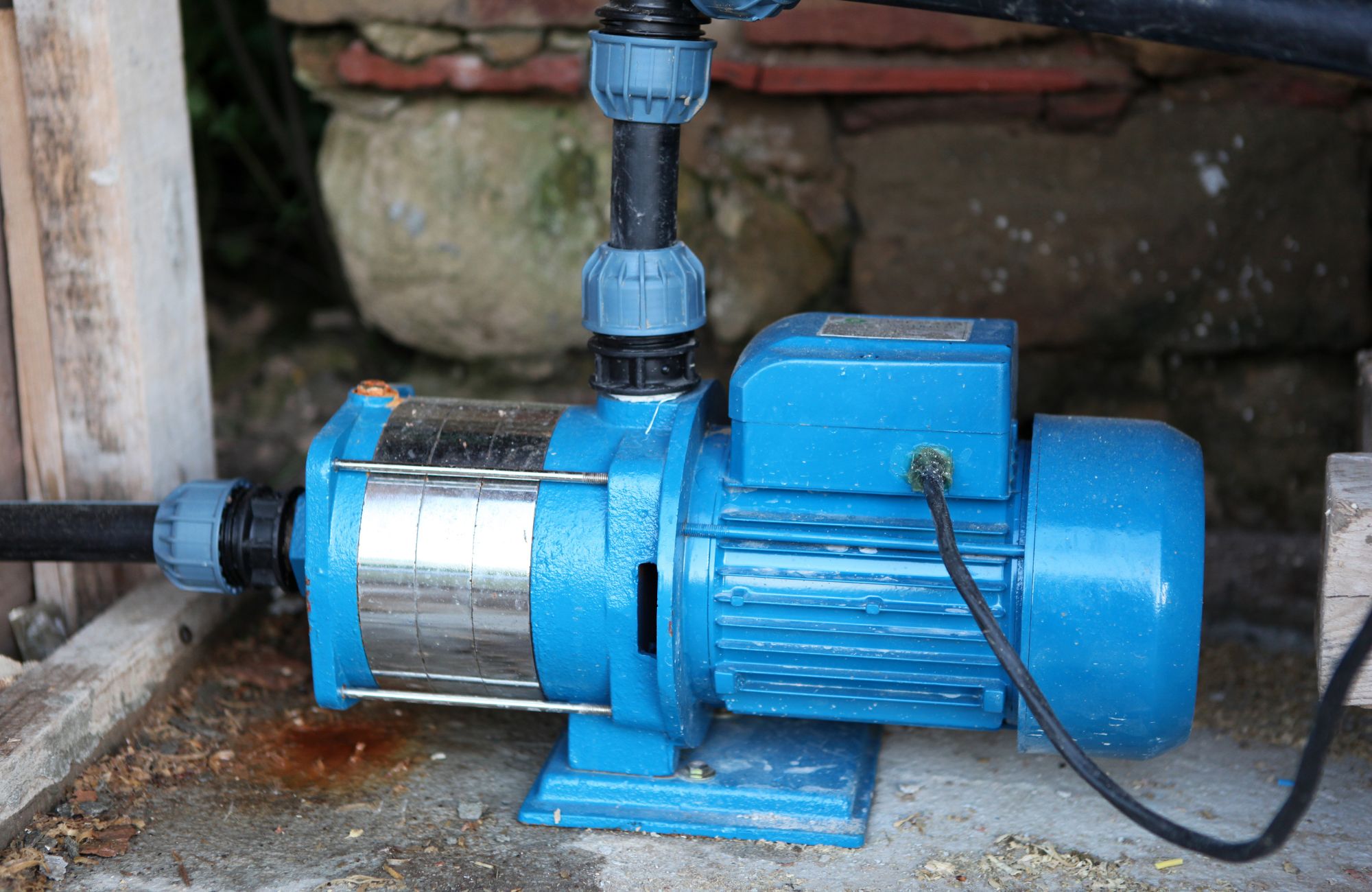
Some homes use jet pump systems mounted above ground, especially for shallow wells. These pumps also require stable voltage and sufficient wattage to run safely. When you know your pump type and horsepower, you can choose a generator that provides enough capacity and protects the motor.
What Happens During a Power Outage
When storms, ice buildup, or fallen tree lines cut electricity, your well pump stops immediately. The pressure tank drains, and your home loses its water supply. Toilets stop refilling, faucets stop running, and appliances that depend on water shut down.
As soon as the tank empties, water pressure disappears, and daily routines stop. A properly sized generator restores power to the pump, refills the pressure tank, and keeps water flowing through the house.
Types of Generators for Well Systems
Homeowners typically choose between two main options:
- Portable generator units that can be moved and manually connected
- Standby generator systems are permanently installed with automatic transfer switches
Portable systems offer flexibility and lower upfront cost. Standby systems provide automatic operation but require professional installation and a higher investment. The right choice depends on your pump size, total electrical loads, and budget.
What Size Generator Do You Need for a Well Pump?
The right generator size depends on your pump horsepower, starting watts, and any additional equipment connected to your well system. Most homes in Connecticut require a generator between 3,000 and 7,500 watts to safely operate a well pump during power outages. However, the exact requirement depends on the pump’s startup surge and total electrical demand.
When sizing a generator, you must account for both running watts and the higher startup surge. Emergency preparedness guidance from the U.S. Environmental Protection Agency emphasizes planning for peak load during outages. In most residential cases, adding a 15 to 20 percent safety margin helps prevent overload and protects the motor from strain.
Starting Watts vs Running Watts
Running watts represent the steady electricity required once the pump runs normally. Starting watts are higher because the motor must overcome initial resistance to begin pulling water. For example, a 1-horsepower (HP) submersible well pump may run at around 2,000 watts but require over 4,000 watts to start.
Failing to account for this surge can burn out your control box, damage the motor windings, or cause repeated breaker trips. This is why knowing how many watts your pump draws is essential before selecting a generator capable of handling the demand.
Generator Size Chart by Pump Horsepower
Below is a general sizing guide. Actual loads vary by manufacturer and depth of installation.
| Pump Size | Running Watts | Starting Watts | Recommended Generator Size |
| ½ HP | 1,000–1,500 | 2,000–3,000 | 3,500–4,000 watts |
| ¾ HP | 1,500–2,000 | 3,000–4,000 | 5,000–6,000 watts |
| 1 HP | 2,000–2,500 | 4,000–6,000 | 6,500–7,500 watts |
These numbers assume only the pump runs. If your system includes an iron filter, water softener, or additional electrical loads, you need extra capacity.
For example, a 1 HP submersible well pump in New Milford paired with a whole-house iron filtration system may require a generator with at least 7,000 watts to prevent overload during operation.
Can a Portable Generator Run a 240V Well Pump?
Yes, a portable generator can run a 240V well pump if it has the proper output, sufficient surge capacity, and a compatible outlet. However, not all portable units are equipped for this load.
Many homeowners purchase a 3,600 watt generator assuming it will provide enough power. While it may run lights and small appliances, it may not produce enough current draw to start a deep submersible pump. Always check whether the generator provides 240V output and whether it includes an electric start option for reliability.
What to Check Before Connecting
Before connecting a portable generator to run your pump, consider the following:
- Confirm the generator provides 240 volts
- Verify surge watt capacity exceeds pump starting demand
- Avoid using extension cords for permanent connection
- Never backfeed into your panel
- Ensure fuel consumption allows long run times
Improper connection methods create serious safety risks. A transfer switch isolates your home from the utility grid and prevents backfeeding, which can endanger line workers and damage equipment. If you need help determining whether your generator is capable of safely operating your well system, we can evaluate your electrical panel and confirm proper setup.
Is It Safe to Plug a Well Pump Directly Into a Generator?
Plugging a well pump directly into a generator without a transfer switch is not recommended. Direct connections can cause voltage instability, equipment damage, and dangerous backfeeding into the power grid.
Voltage fluctuations are a common issue with portable generators operating at idle or fluctuating loads. If the voltage drops too low or spikes too high, it can overheat the motor or damage the control box. Submersible well pumps rely on steady voltage to operate correctly.
Another risk is backfeeding. This occurs when electricity flows back through the utility line, creating a hazard for crews working to restore power. In Connecticut, proper transfer switch installation is required for safe operation.
Common Mistakes When Using a Generator for a Well Pump
Many homeowners damage their well pump during power outages by using an undersized generator or improper wiring methods. These mistakes often lead to expensive pump replacement and emergency service calls.
A well system is not just a motor in a hole. It includes a pressure tank, control box, wiring, and often treatment systems. Each component contributes to electrical demand. Ignoring those loads can cause the generator to overload or shut down unexpectedly.
Common mistakes include:
- Using a generator too small for starting watts
- Ignoring additional electrical loads like filtration systems
- Running the pump dry when the well level drops
- Skipping transfer switch installation
- Allowing voltage to fluctuate under heavy demand
If your system stopped working after a recent outage, schedule a diagnostic inspection before restarting it. Early intervention can prevent permanent motor damage.
Do You Need Backup Power for Water Treatment Systems?
If your home uses iron filters, arsenic removal units, or water softener systems, your generator must handle both the pump and treatment equipment. These components add electrical loads that increase overall demand.
In Litchfield County and Southbury, hard water and iron staining are common. Many homes rely on whole-house filtration to protect plumbing fixtures and appliances. During outages, these systems may still cycle or regenerate, adding to generator strain.
A properly sized generator must account for:
- Pump horsepower
- Pressure tank cycling
- Water softener draw
- Filtration system motors
- Control panels
Failing to calculate full system demand may cause overload or force you to shut off treatment equipment during outages. That can lead to untreated water entering your house.
When to Call a Professional
If you are unsure how to size generator capacity, connect safely, or determine your system’s electrical loads, consult a licensed well professional. Incorrect assumptions can lead to pump burnout, control box failure, or costly repairs.
A professional evaluation includes checking:
- Pump horsepower and depth
- Current draw and voltage
- Control box condition
- Pressure tank function
- Total system demand
Protect Your Water Supply During Power Outages
Choosing the right generator for well pump systems protects your home’s water supply during storms and extended outages. Proper sizing prevents overload, protects your motor, and keeps your pressure tank functioning normally. New Milford homeowners who rely on private wells should treat backup power as essential infrastructure. Without it, even a short outage can disrupt daily life.
Conclusion
Choosing the right generator for well pump systems protects your water supply during power outages and keeps your household functioning when the grid goes down. When you match the generator to your pump horsepower, starting watts, and total electrical demand, you reduce the risk of motor damage, overload, and unexpected shutdowns. In New Milford and across Litchfield County, many homes rely on private wells, which makes proper backup power planning an important part of responsible home maintenance.
If you are unsure about your pump specifications or generator capacity, schedule a well system check to verify safe operation and proper sizing. Housatonic Valley Well Pump Services supports homeowners in New Milford, Danbury, Brookfield, and nearby towns with inspections and practical guidance. You can contact us if you want help reviewing your system or confirming that your backup power setup meets your home’s needs.
FAQs
How big of a generator do I need to run a well pump?
The generator size depends on your pump horsepower and starting watt demand. Most residential well pumps require between 3,500 and 7,500 watts to start safely. Always calculate starting watts, not just running watts, before choosing a unit. A professional inspection can determine your exact electrical load.
What is a pump generator?
A pump generator is simply a generator used to power a water pump during outages. It supplies electricity to operate the motor and maintain water pressure in the house. It must match the pump’s voltage and horsepower requirements to function properly.
Will a 3600 generator run a well pump?
A 3,600 watt generator may run a small ½ HP jet pump, but it often lacks sufficient capacity for a 1 HP submersible well pump. Starting surge demand usually exceeds 3,600 watts. Always confirm your pump’s starting watt requirements before relying on a small unit.
Can a generator be used to pump water?
Yes, a generator can power a well pump during power outages as long as it produces enough wattage and proper voltage. It must be connected safely through a transfer switch or approved method. Improper setup can damage equipment or create electrical hazards.