


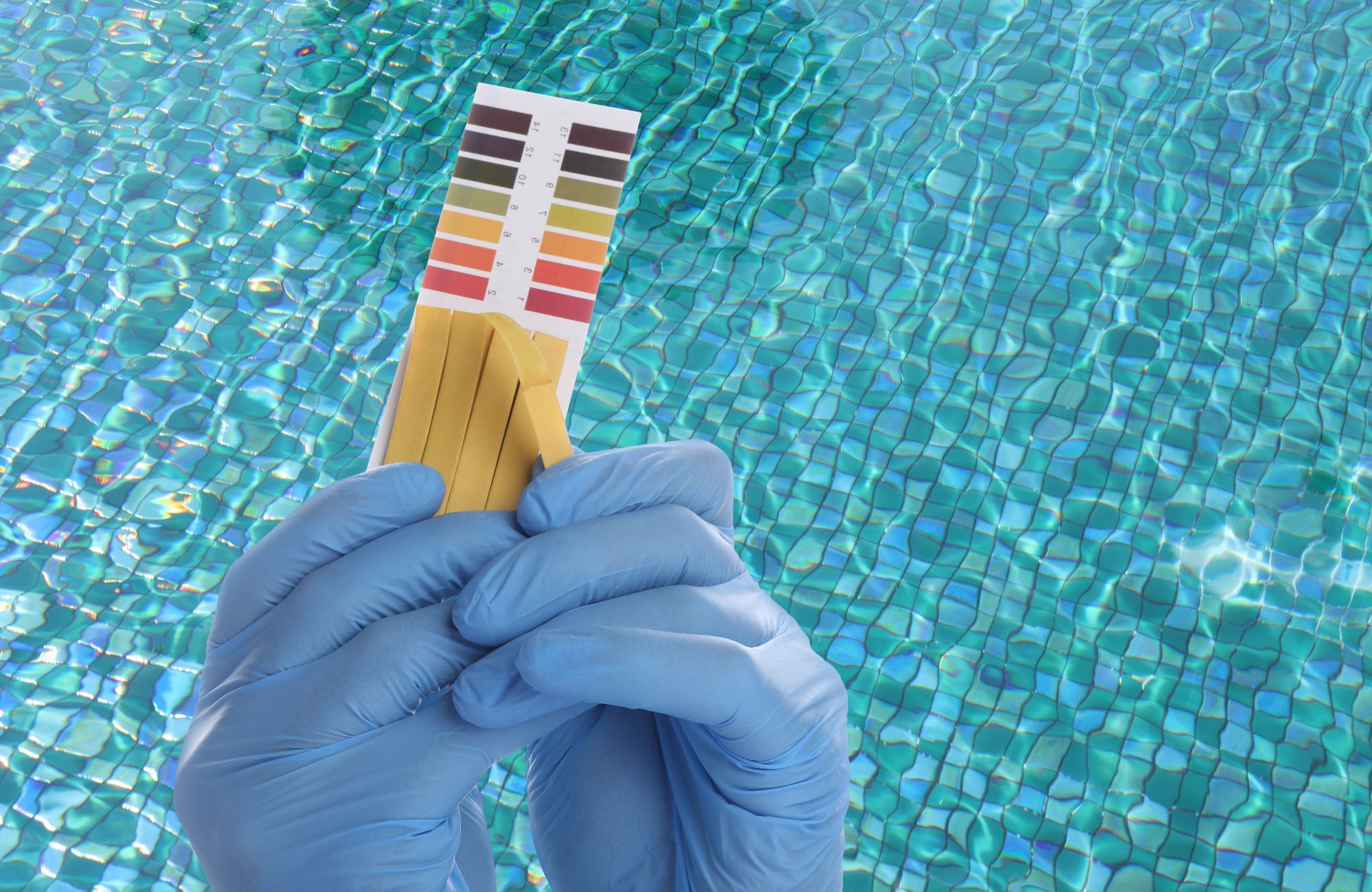
Changes in water taste, staining, pipe leaks, or mineral deposits may lead you to question your well water pH levels. For Connecticut homeowners who rely on private wells, pH is a useful water-quality indicator because it can affect plumbing, fixtures, appliances, and treatment equipment.
A pH result cannot tell you whether your water is safe by itself. You must review it with other findings, such as bacteria, metals, hardness, alkalinity, and total dissolved solids. Schedule a professional water test before buying treatment equipment so the recommendation reflects your home’s actual water chemistry.
What Are Normal Well Water pH Levels?
Well water pH levels show whether water is acidic, neutral, or alkaline. A pH of 7 is neutral. Readings below 7 are acidic, while readings above 7 are alkaline or basic. The EPA lists 6.5 to 8.5 as its secondary drinking-water range for pH.
The pH scale usually runs from 0 to 14. It measures the relative amount of hydrogen and hydroxyl ions in water. More hydrogen ions produce acidic water, while more hydroxyl ions produce alkaline water.
The scale is logarithmic. This means that a change of one full pH unit represents a tenfold change in acidity or basicity. For example, water with a pH of 5 is ten times more acidic than water with a pH of 6.
The following table provides a practical way to understand a well-water pH result. Treatment decisions should still consider the rest of the water analysis.
| pH reading | General meaning | Possible concern |
| Below 6.5 | Outside the secondary range on the acidic side | Corrosion, metallic taste, staining, or metal leaching |
| 6.5 to below 7 | Mildly acidic but within the secondary range | Possible corrosion depending on other water chemistry |
| 7 | Neutral | Does not prove that the water is free of contaminants |
| Above 7 to 8.5 | Alkaline but within the secondary range | Often acceptable when other results are satisfactory |
| Above 8.5 | Outside the secondary range on the alkaline side | Deposits, scale, slippery feel, or unusual taste |
EPA secondary standards are non-enforceable guidelines related mainly to taste, staining, deposits, corrosion, and other nuisance effects. They are not the same as primary health-based limits for contaminants such as lead, nitrate, or arsenic.
Why Well Water pH Matters
An unusual pH level often matters because of what the water may do to plumbing and equipment over time. Low pH can contribute to corrosion, while high pH can support mineral deposits and scale. Either condition may affect taste, appearance, water flow, fixtures, or treatment performance.
Low pH and plumbing corrosion
Water below pH 7 is chemically acidic. When the reading falls below 6.5, the likelihood of corrosion may become a greater concern, especially when alkalinity and mineral content are also low.
Acidic water can gradually wear metal pipes, fixtures, fittings, and some well-system components. Homeowners may notice blue-green stains, reddish stains, pinhole leaks, early fixture wear, or a metallic or sour taste.
Corrosive water may also pick up metals from materials it touches. Depending on the plumbing, these metals may include lead, copper, zinc, or iron. A low pH reading does not prove that any metal is present, so laboratory testing must measure each metal separately.
High pH and mineral deposits
Water above pH 8.5 may have a slippery feel, soda-like taste, or bitter taste. It may also leave deposits in plumbing, fixtures, appliances, and hot-water equipment.
High pH and hard water are related in some systems, but they are not the same measurement. Hardness measures dissolved calcium and magnesium. pH measures how acidic or alkaline the water is.
White scale around faucets or inside a water heater may come from hardness, high alkalinity, elevated pH, or a combination of these factors. Testing each parameter helps identify the correct cause.
What Causes Low or High pH in Well Water?
Well-water pH reflects the geology and chemistry surrounding the groundwater source. Soil, bedrock, dissolved gases, mineral content, and natural organic material may all play a role. Existing filters, neutralizers, chemical-feed pumps, or other treatment systems can also change the pH reaching your faucets.
Common causes of low pH
Groundwater can become acidic as it moves through certain soils and rock formations. Dissolved carbon dioxide may also react with water and form a weak acid.
Low alkalinity can make the water less able to resist changes in pH. Water with low hardness and low mineral content may also act more aggressively toward some plumbing materials.
Local geology can vary from one property to another. Two private wells in the same Connecticut town may produce different results because the wells pass through different depths, rock formations, soil conditions, and groundwater pathways.
Acid rain may affect surface water and shallow environmental conditions, but it should not automatically be blamed for a home’s acidic well water. A water analysis and knowledge of the local groundwater provide a better basis for identifying possible causes.
Common causes of high pH
High pH may come from alkaline minerals in soil or bedrock. Water containing higher levels of carbonate or bicarbonate minerals may also have greater alkalinity.
Treatment equipment can raise pH too far when a neutralizing filter contains the wrong media, a chemical-feed pump adds too much solution, or system settings no longer match the raw-water chemistry.
Do not assume that visible scale proves the pH is high. Hardness and total dissolved solids can leave similar deposits. Test the water before adjusting existing equipment or installing another system.
Signs of Low and High Well Water pH
Low and high pH may leave clues around your home, but appearance, taste, and stains cannot confirm the cause. Similar symptoms can come from iron, copper, hardness, manganese, total dissolved solids, worn plumbing, or treatment problems. Use these signs to guide testing rather than diagnose the water.
The following comparison can help you decide which water-quality parameters to investigate.
| Possible sign | More often linked with low pH | More often linked with high pH |
| Metallic or sour taste | Yes | |
| Blue-green stains | Yes | |
| Reddish corrosion stains | Yes | |
| Pinhole leaks | Yes | |
| Early wear on metal fixtures | Yes | |
| Slippery or slick feel | Yes | |
| Soda-like or bitter taste | Yes | |
| White or crusty deposits | Yes | |
| Scale in hot-water equipment | Yes |
Blue-green staining may point toward copper corrosion, but only a copper test can show whether copper is present and at what concentration. Reddish stains may come from iron in the groundwater, corrosion inside the plumbing, or both.
White scale does not always mean elevated pH. Hard water commonly leaves white or crusty deposits around faucets, showerheads, heating elements, and appliances. A comparison of hard water and soft water can help you understand how hardness differs from pH.
A sudden change in taste, color, smell, or staining deserves attention even when the last pH test was normal. The change could involve another contaminant, a damaged well component, flooding, nearby land activity, or a treatment system that needs service.
How to Test Well Water pH
A calibrated digital meter can provide a useful pH measurement at the sampling point, while test strips offer a rough screening result. Because water chemistry may change after collection, follow the testing provider’s sampling instructions. Use a state-certified laboratory for the broader panel needed to evaluate safety and treatment.
Home pH test strips
Test strips are easy to use and provide a quick estimate. You dip the strip into a water sample and compare its color with the chart supplied by the manufacturer.
Color interpretation, lighting, expired strips, storage conditions, and a limited measurement range may affect the result. Test strips can show that further testing may be useful, but they should not guide a major equipment purchase by themselves.
Digital pH meters
A digital meter provides a numerical reading and may offer better detail than a strip. The meter must have the right measurement range and must be calibrated with fresh buffer solutions.
Rinse the probe as directed, avoid contaminating the sample, and allow the reading to stabilize. Store and maintain the probe according to the manufacturer’s instructions. An uncalibrated or poorly maintained meter may give a misleading result.
Certified laboratory testing
A laboratory can test pH along with metals, bacteria, hardness, alkalinity, nitrate, total dissolved solids, and other potential contaminants. The additional results help explain why the pH is unusual and whether the water may damage plumbing.
The EPA recommends testing a private well annually for total coliform bacteria, nitrate, total dissolved solids, and pH. It also advises testing for other contaminants when local conditions or household concerns suggest a need.
A sound testing process includes these steps:
- Start with untreated water. When possible, collect a sample before the water passes through existing treatment.
- Follow the test instructions. Use the correct container, faucet, flushing time, preservation method, and delivery schedule.
- Test more than pH. Add hardness, alkalinity, metals, and other parameters based on your symptoms and plumbing.
- Compare raw and treated water. This can show whether existing equipment is changing pH, hardness, or sodium as intended.
- Review the full report. Do not choose treatment from one pH number.
- Retest after treatment. Confirm that the finished water remains within the planned range.
You should also test after well repairs, flooding, land disturbance, or a noticeable change in taste, odor, or color. Earlier problems may call for more frequent monitoring.
This guide to testing well water at home explains how household screening fits into a broader testing plan. Schedule professional well water testing when you need results for treatment selection or have concerns about contaminants.
How to Treat Low-pH Well Water
Low-pH well water is commonly corrected with a calcite neutralizing filter, a calcite and magnesium oxide blend, or a controlled soda-ash feed system. The right choice depends on the starting pH, alkalinity, hardness, carbon dioxide, total dissolved solids, household flow, and existing equipment.
Treatment should raise the pH without creating new problems. Each method changes water chemistry in a different way and has its own maintenance needs.
| Treatment method | How it raises pH | Main consideration |
| Calcite neutralizer | Water passes through calcium carbonate media | Can increase hardness and alkalinity |
| Calcite and magnesium oxide blend | Uses stronger mineral media for lower pH | Requires careful sizing and monitoring |
| Soda-ash feed system | A pump injects sodium carbonate solution | May increase sodium and needs regular calibration |
Calcite neutralizing filters
Calcite is a form of calcium carbonate. As acidic water passes through the mineral tank, some calcite dissolves and raises the pH.
The unit needs enough contact time for the reaction to occur. Tank size, service flow, peak demand, media depth, and backwash requirements all affect performance.
Because calcite adds calcium to the water, it may increase hardness. A homeowner may need to consider how the neutralizer will work with an existing water softener or whether a softener belongs after the neutralizer.
The calcite media gradually dissolves and must be replenished. Some systems also require backwashing to prevent the media from compacting and to remove collected sediment.
Calcite and magnesium oxide blends
A treatment professional may consider a blend of calcite and magnesium oxide when the starting pH is too low for calcite alone. Magnesium oxide reacts more strongly, so the system must match the water chemistry and flow rate carefully.
Using too much strong media can push the water toward elevated pH or add more mineral content than expected. The final water should be checked for pH, hardness, and alkalinity after installation.
Sediment, iron, manganese, carbon dioxide, and high total dissolved solids may affect how well the media performs. Pretreatment or another correction method may be needed when these conditions are present.
Soda-ash chemical-feed systems
Soda ash is sodium carbonate. A chemical-feed pump meters a prepared solution into the household water line. A retention or mixing tank usually allows the solution time to react with the acidic water.
This method offers controlled adjustment when mineral media is not a good fit. The feed rate must match the raw-water pH, pump flow, and household demand.
Soda ash can increase sodium in the treated water. Households with a sodium-restricted diet should discuss that change with the appropriate health professional and include sodium in follow-up testing.
Chemical tanks, tubing, injection points, pumps, and controls need regular inspection. The solution must be mixed correctly, and the pump should receive routine calibration.
Do not pour baking soda, lime, vinegar, or another household substance directly into the well or plumbing. A whole-house system must apply a measured dose and maintain stable water chemistry as flow changes.
How to Bring Down High pH in Well Water
Water above pH 8.5 should be tested for alkalinity, hardness, total dissolved solids, sodium, and other relevant parameters before treatment. High-pH correction may involve a specialized ion-exchange system or a chemical-feed pump that injects a weak acid solution under controlled conditions.
High-pH treatment is usually more specialized than raising low pH. Incorrect chemical dosing could make the water too acidic, affect plumbing, interfere with other equipment, or create chemical-handling risks.
Do not add household vinegar, citric acid, or another acid directly to the well. These substances do not provide the controlled dosing, mixing, monitoring, and safety features needed for whole-house treatment.
Some homes may not need a pH-reduction system. If the main problem is white scale, the test results may show that hardness treatment is the more suitable response.
When elevated pH begins after service or a media change, inspect the existing treatment system first. A neutralizer may contain too much reactive media, or a chemical-feed pump may need adjustment.
How to Choose the Right pH Treatment System
The right pH treatment system should match the full laboratory report, household water demand, plumbing, well performance, and other treatment equipment. A system chosen from pH alone may fail to correct corrosion, add unwanted hardness or sodium, or interfere with iron removal, softening, filtration, or disinfection.
Review these factors before selecting equipment:
- Raw-water pH
- Treated-water pH
- Alkalinity
- Hardness
- Total dissolved solids
- Carbon dioxide
- Iron and manganese
- Lead and copper
- Sodium
- Peak household flow
- Daily water use
- Existing filters or softeners
- Available drainage and electrical supply
- Tank size and installation space
- Maintenance and media replacement needs
A treatment tank that is too small may not provide enough contact time during peak water use. An oversized or overly aggressive system may raise pH farther than needed.
The order of treatment equipment also matters. For example, a calcite neutralizer may add hardness, which can affect whether a water softener should follow it. Iron, sediment, or manganese may also change the recommended order.
Look for equipment tested or certified for its intended purpose by a recognized third party, such as NSF or the Water Quality Association. Follow the manufacturer’s service and replacement schedule, then retest after installation and maintenance.
Schedule a system evaluation after receiving the laboratory report. This allows the treatment plan to account for water chemistry, flow, household demand, and the equipment already connected to the well.
Conclusion
Balanced well water pH starts with testing, not guesswork. Confirm the reading, test related water chemistry and possible contaminants, choose treatment based on the full results, and test the water again afterward. Regular testing can also help you identify changes before corrosion, scale, or equipment problems become more serious.
Addressing pH concerns early can protect your plumbing and support better treatment decisions. Housatonic Valley Well Pump Services can help you determine the right next step for your well water. Contact us to discuss your results and treatment options.
FAQs
How do you bring down pH in well water?
High pH may be reduced with a specialized alkalinity-reducing ion-exchange system or a controlled chemical-feed pump that injects a weak acid solution. Test alkalinity, hardness, TDS, sodium, and other relevant parameters first. Do not add household acids directly to the well or plumbing.
Is 9.5 pH water too high to drink?
A pH of 9.5 is above EPA’s secondary range of 6.5 to 8.5. The result may cause taste, scale, or treatment-performance concerns, but pH alone does not show whether the water presents a health risk. Test the water for the cause of the elevated pH and for other possible contaminants.
How can you tell whether your well water is acidic?
Possible signs include metallic taste, blue-green stains, reddish corrosion stains, pinhole leaks, and early wear on metal fixtures. These symptoms can have other causes, so they cannot confirm acidic water. Test pH, alkalinity, hardness, lead, copper, iron, and other related parameters.
What happens when the pH is too high in well water?
High-pH water may taste bitter or soda-like, feel slippery, or leave mineral deposits. Scale can collect in plumbing and hot-water equipment, although hard water can cause similar signs. Testing helps determine whether to lower the pH, reduce alkalinity, soften the water, or use another treatment.
What is the best pH level for well water?
EPA’s secondary drinking-water range is 6.5 to 8.5, and a pH of 7 is neutral. A result within this range does not prove that the water is safe. Bacteria, nitrate, lead, arsenic, and other contaminants require separate tests.
Does low-pH well water mean it contains lead?
No. Low pH may increase the potential for lead to enter water from certain pumps, fixtures, solder, or plumbing materials, but it does not prove lead is present. Connecticut recommends laboratory testing because private well owners are responsible for monitoring their water quality.