


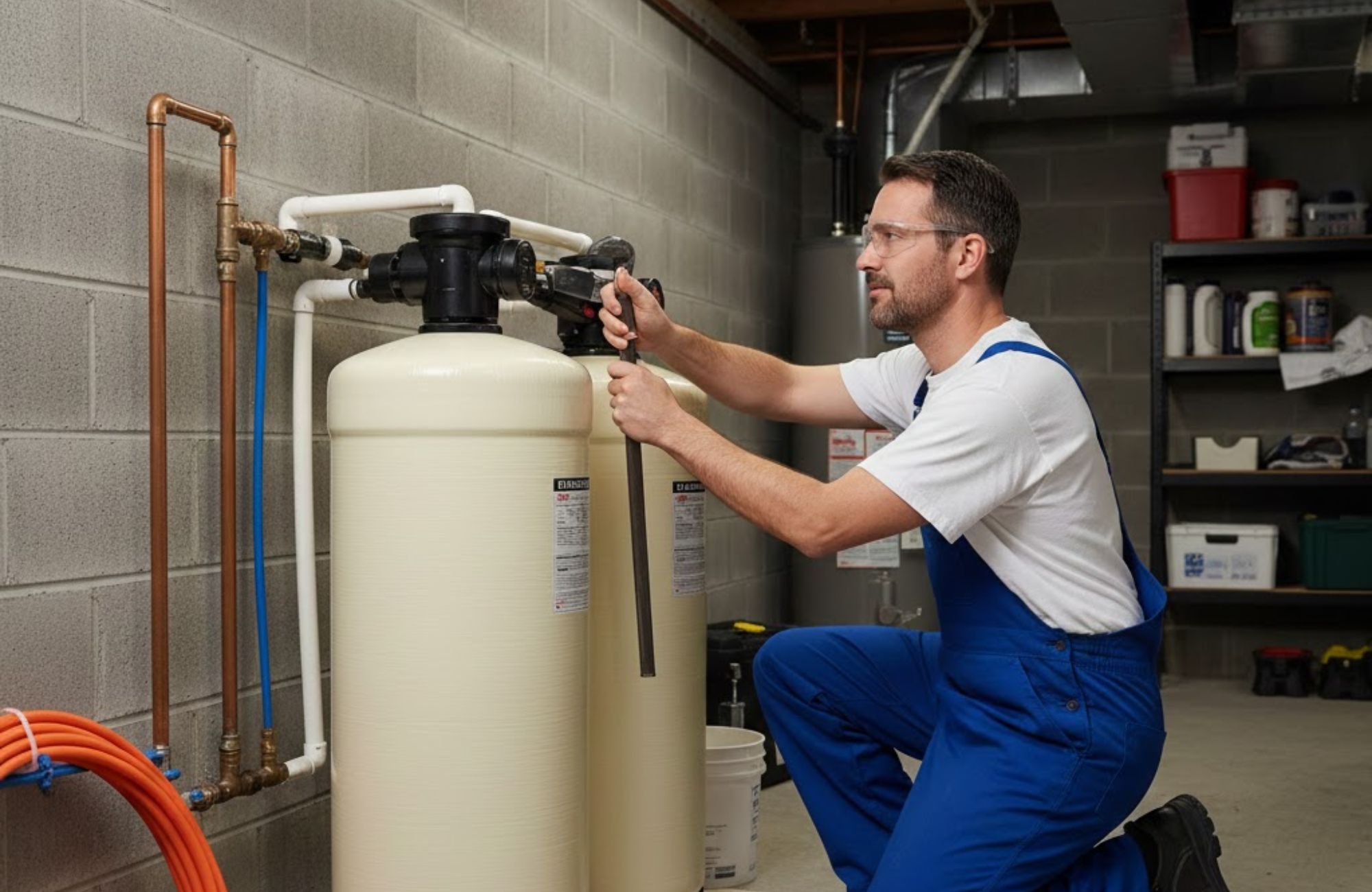
If you’re living in New Milford, CT, and grappling with the frustrations of hard water, a water softener could be the key to transforming your home’s water supply. Hard water contains high levels of minerals like calcium and magnesium, which can lead to mineral buildup in your pipes, water heaters, and household appliances. The result? Higher maintenance costs, reduced efficiency, and long-term damage to your plumbing and appliances. Luckily, installing a water softener system can solve these issues, providing you with softer water and improving water quality across your home.
At Housatonic Valley Well Pump Services, we specialize in helping homeowners in New Milford and the surrounding areas achieve cleaner, more efficient water with the installation of water softener systems. Let’s take a deep dive into the key benefits of installing a water softener and how it can make a noticeable difference in your daily life.
What Is a Water Softener?
A water softener is a device designed to remove hardness minerals like calcium and magnesium from your water supply. These minerals are the primary cause of hard water, leading to scale buildup in pipes, hot water heaters, and appliances like dishwashers and washing machines. Over time, mineral deposits can clog pipes and damage appliances, which reduces their efficiency and lifespan.
A water softener system works through a process called ion exchange, where the calcium and magnesium are replaced with sodium ions or potassium ions. This process removes the minerals that cause the negative effects of hard water, making the water softer and more suitable for household use.
For many homes in New Milford, especially those using well water, a water softener is a great investment. Well water typically contains higher concentrations of iron, sulfur, and other hardness minerals, which can make the water particularly hard. Installing a salt-based water softener or a salt-free system helps remove these harmful minerals and improve the overall quality of your home’s water.
1. Protect Your Plumbing and Appliances
One of the most significant advantages of installing a water softener is the protection it offers to your plumbing and appliances. Hard water causes scale buildup inside your pipes, water heaters, and other appliances that use water. Over time, the accumulation of mineral deposits creates blockages, reduces water flow, and forces appliances to work harder, which leads to higher maintenance costs and increased operating costs.
By removing calcium and magnesium ions, a water softener prevents mineral buildup and ensures that your water heaters, washing machines, and dishwashers operate efficiently. Softened water helps preserve the integrity of your plumbing system, reducing the risk of clogged pipes and the need for expensive repairs or replacements.
In New Milford, where well water is common, the presence of hardness minerals can be more problematic, as the water can contain high levels of iron or sulfur. Installing a salt-based water softener ensures that your water supply is free from these harmful minerals, protecting your plumbing and appliances from the long-term damage caused by mineral buildup.
2. Softer Skin and Hair
Hard water can have a detrimental impact on your skin and hair. The calcium and magnesium ions in hard water create soap scum, which makes it difficult for soap to lather and rinse properly. This leaves your skin feeling dry and irritated, and your hair looking rough and lifeless. The minerals also make it harder for soap to fully cleanse your skin and hair, which can lead to further irritation.
Switching to softened water solves these problems. A water softener removes calcium and magnesium ions, letting soap lather and rinse effectively. Your skin feels softer, and your hair becomes shinier and easier to manage. For New Milford residents with well water, installing a water softener provides immediate relief and improves skin and hair health.
3. Save Money on Soap, Detergents, and Cleaning Supplies
Hard water increases household costs by reducing soap, shampoo, and detergent. Calcium and magnesium create soap scum, forcing you to use more cleaning products. Soap scum also builds up on shower doors, faucets, and surfaces, requiring frequent cleaning. A water softener lets soap lather easily, and detergents work effectively.
You use less soap and detergent, saving money on cleaning products and laundry supplies. Softened water reduces the need for harsh commercial cleaners, cutting costs and environmental impact. For New Milford homeowners with well water, higher mineral content makes softeners even more beneficial. Softened water improves cleaning efficiency and reduces excessive soap use over time.
4. Reduce Energy Costs and Extend the Lifespan of Water Heaters
Hard water reduces water heater efficiency. Calcium and magnesium build up inside, forming an insulating layer that blocks proper heating. As a result, your water heater uses more energy to heat the same amount of water, increasing energy costs.
By installing a water softener system, you remove mineral deposits from your water heaters, allowing them to work more efficiently. The U.S. Department of Energy (DOE) acknowledges that water softeners can lead to energy and cost savings by improving the efficiency and prolonging the life of water-using appliances. A water softener can also extend the lifespan of your water heaters, reducing the need for early replacements and saving you money on future repairs or replacements.
In New Milford, well water often contains high mineral levels. Installing a water softener improves energy efficiency and extends appliance life.
5. Improve Water Taste and Quality
Hard water often has an unpleasant taste and odor due to the high concentration of calcium and magnesium ions. These minerals can leave a metallic taste or a sulfur odor, especially in well water systems. This can make your drinking water less enjoyable and affect the taste of food and beverages like coffee or tea.
A water softener removes hardness minerals, improving taste and overall water quality. Softened water tastes fresher and avoids mineral buildup that affects coffee, tea, and other beverages. New Milford homeowners enjoy better-tasting tap water and improved flavor in food and drinks.
By installing a water softener system, you ensure that your drinking water is clean, fresh, and free from the metallic aftertaste or sulfur smell that can come from hard water. This improvement in water quality is especially important for homes with well water, where these issues are more prevalent.
How to Choose the Right Water Softener for Your Home
When selecting a water softener for your New Milford home, there are a few key factors to consider:
- Hardness of your water: Test your water to determine its level of calcium and magnesium. High hardness levels require a stronger water softener system.
- Water flow rate: The flow rate of your water supply will determine the size of the water softener system you need. A high flow rate requires a larger unit to maintain adequate water pressure and performance.
- Household size: Larger households use more water, which means a larger water softener system may be necessary to handle the increased demand.
There are two main types of water softeners:
- Salt-based water softeners: These systems use resin beads to exchange calcium and magnesium ions for sodium or potassium ions. They are ideal for homes with high levels of hard water and are the most common choice for well water systems.
- Salt-free water softeners: These systems do not use salt to soften the water. They are a more eco-friendly option, ideal for homes with moderately hard water or for those concerned about sodium intake.
Housatonic Valley Well Pump Services can help assess your water quality and recommend the best water softener based on your specific needs.
Signs Your Water Pump Needs a Softener
It’s important to recognize the signs that your water may need a softener. If you notice the following, it could be time to consider installing a water softener system:
- Scale buildup on faucets, showerheads, and hot water heaters.
- Dry skin or brittle hair after showering.
- Soap scum or detergent curds that don’t dissolve properly.
- Water spots on dishes, glassware, and countertops.
If you notice these signs in your New Milford home, it may be time for a water softener. Housatonic Valley Well Pump Services offers free consultations to assess your water and recommend the best solution.
Conclusion
A water softener is a valuable investment for New Milford homeowners. It improves water quality, protects plumbing, and saves energy. Whether your water comes from a well or you want softer skin and brighter laundry, a water softener solves many problems.
For water softener installation, maintenance, and repair in New Milford, contact Housatonic Valley Well Pump Services today. We’ll help you select the right water softener system and ensure it’s properly installed to provide you with the best softened water. Schedule a free consultation and start enjoying the benefits of softened water today.
FAQs
Does a water softener improve water quality?
Yes, a water softener improves water quality by removing calcium and magnesium ions, which cause hard water. Softened water improves the taste, reduces mineral buildup, and helps prevent soap scum in showers.
Does a water softener have health benefits?
A water softener improves skin health by reducing dryness and irritation caused by soap scum and mineral residue. It also makes hair feel softer and shinier.
What are the advantages and disadvantages of soft water?
The advantages of soft water include improved skin health, better-tasting drinking water, longer-lasting appliances, and lower energy costs. Disadvantages may include the initial installation cost and the ongoing need for salt in salt-based water softeners.
Why are water softeners used in water treatment?
Water softeners treat hard water by removing calcium and magnesium ions. These minerals cause buildup in pipes and appliances. Softening water improves quality, increases appliance efficiency, and reduces maintenance costs.