




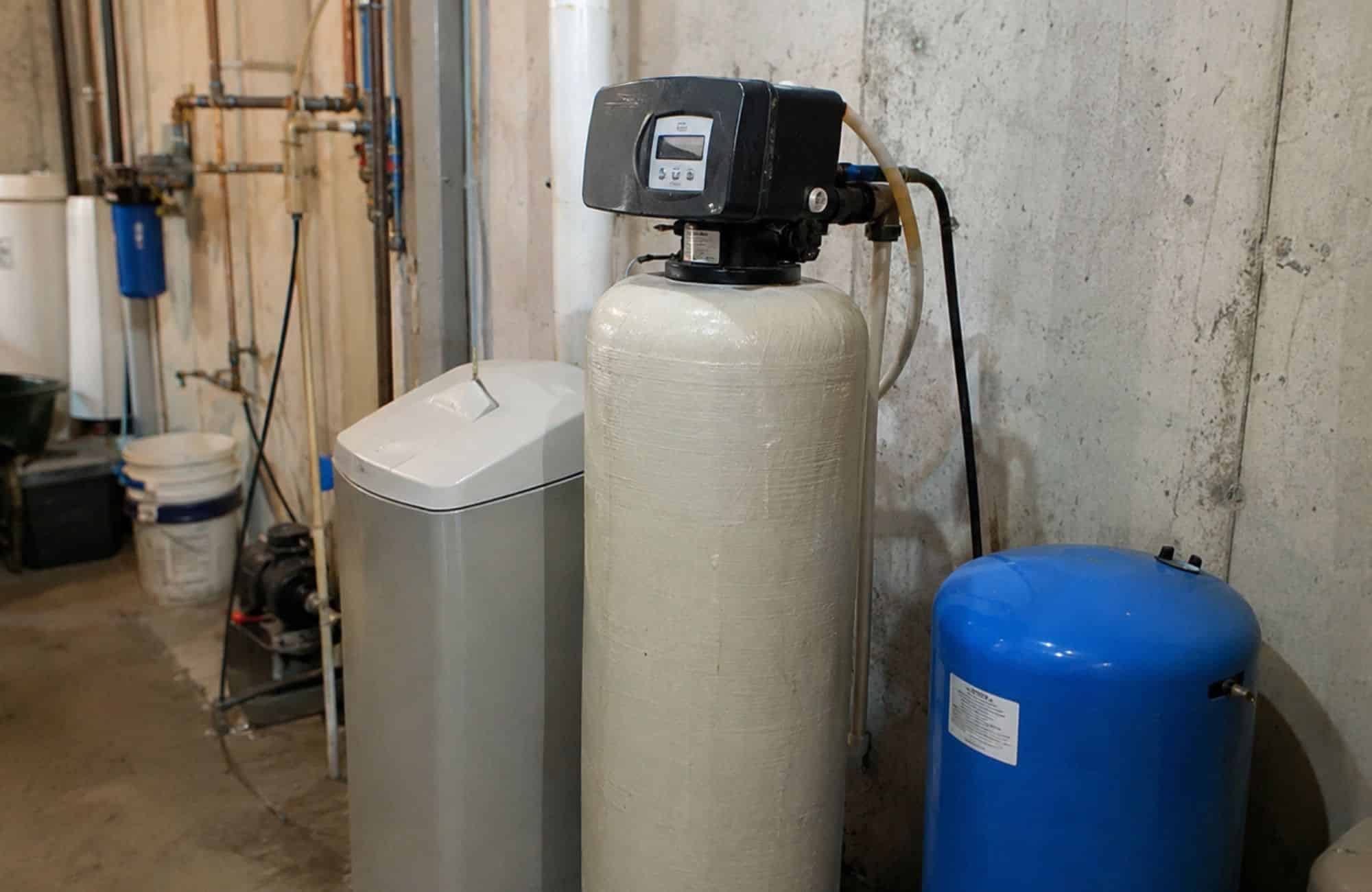
Your private well may provide clear, fresh-tasting water, but that does not mean it is free from naturally occurring contaminants. Radon in water and uranium are two concerns for Connecticut homeowners, particularly those whose wells draw groundwater from certain rock formations. Neither contaminant can be detected by taste, smell, or appearance, making testing essential.
Understanding where these substances come from and how they affect your water can help you make informed decisions. This guide explains their health risks, testing recommendations, treatment options, and when to seek professional assistance.
What Are Radon and Uranium in Well Water?
Radon and uranium are naturally occurring radioactive substances that can enter private well water from surrounding rock and soil. Although they are related, they behave differently in water and present different health concerns. Radon is a gas formed during radioactive decay, while uranium is a metal that can dissolve into groundwater.
Both are among the naturally occurring contaminants in Connecticut well water. Their concentrations depend on local geology and groundwater conditions, so testing is necessary to identify them.
How Radon Enters Groundwater
Radon is a colorless, odorless, and tasteless radioactive gas produced during the natural decay of uranium. As groundwater moves through cracks and spaces in rock, radon can dissolve into the water and travel into private wells.
Water drawn from underground rock formations may contain elevated radon concentrations. Surface water generally contains much less because radon escapes into the outdoor air before the water reaches homes.
How Uranium Enters Private Wells
Uranium is a naturally occurring metal found in certain types of bedrock. As groundwater passes through uranium-containing rock, small amounts can dissolve into the water and enter a private well.
Connecticut has areas with bedrock that may contain uranium, including some granite formations. However, neighboring wells can have different concentrations, and finding radon does not automatically mean uranium levels are elevated. Each contaminant requires its own test.
Radon vs. Uranium: Health Risks and Exposure
Radon and uranium can both affect health, but their main exposure pathways are different. Radon is primarily a concern when it escapes from water into indoor air and is inhaled. Uranium is mainly a concern when contaminated drinking water is consumed over time, potentially affecting kidney health.
Understanding these differences helps homeowners choose appropriate testing and treatment. The following comparison highlights the main concerns associated with each contaminant.
| Factor | Radon | Uranium |
| Substance | Radioactive gas | Naturally occurring metal |
| Primary exposure | Breathing contaminated air | Drinking contaminated water |
| Main health concern | Increased lung cancer risk | Potential kidney damage |
| Household activities | Showering and washing can release radon | Bathing is generally a lower concern |
| Typical treatment | Aeration or specialized activated carbon | Reverse osmosis or suitable ion exchange |
Health Risks of Radon in Drinking Water
Radon dissolved in water can escape into the air during showering, washing dishes, or other household activities. Breathing air containing elevated radon levels increases lung cancer risk, especially for people who smoke.
Swallowing radon-containing water may also increase stomach cancer risk, although this risk is generally much smaller than the risk associated with inhalation. According to the Connecticut Department of Public Health, indoor air exposure is the greater concern for most households.
Health Risks of Uranium in Drinking Water
Uranium presents a different concern because its chemical effects are generally more significant than its radioactivity when consumed in drinking water. Long-term exposure to elevated concentrations may affect kidney function.
Bathing or showering with uranium-containing water is usually not a significant health concern. However, water used for drinking, cooking, and preparing beverages should be evaluated when testing identifies elevated uranium concentrations.
When Should Connecticut Homeowners Test Their Well Water?
Connecticut homeowners using private wells should test for radon in water and have their water tested for uranium at least once. Testing is especially relevant when purchasing a property, installing a new well, or reviewing older water quality records. Because contamination is invisible, normal-looking water cannot rule out either substance.
Radon and uranium are not the only contaminants that may require specialized testing. Homeowners should also understand concerns such as arsenic in well water, which can occur naturally in certain Connecticut groundwater sources.
Testing for Radon in Water
Connecticut DPH recommends testing both indoor air and private well water for radon. Even when indoor air results are low, the well water may contain elevated dissolved radon.
Radon water samples require careful collection because the gas can escape before laboratory analysis. The state’s Connecticut radon testing guidance recommends using qualified radon measurement professionals and approved laboratories rather than relying on ordinary water testing kits.
Testing for Uranium in Well Water
Connecticut DPH recommends testing private wells for uranium at least once. Since October 1, 2022, uranium testing has also been required for newly drilled Connecticut wells.
The department recommends laboratory testing using inductively coupled plasma mass spectrometry, commonly called ICP-MS. Homeowners with detectable uranium may consider retesting every five years, while those using uranium removal systems should test treated water annually.
Professional well water testing can help homeowners understand general water quality concerns and guide further evaluation. For radon and uranium, confirm that the testing provider can arrange the specific laboratory analyses needed.
Understanding Radon and Uranium Test Results
Radon and uranium results use different measurements, so homeowners should not compare the numbers directly. Radon in water is measured in picocuries per liter (pCi/L), while uranium is usually measured in micrograms per liter (µg/L). Connecticut DPH provides guidance to help private well owners decide when treatment is recommended.
The following reference levels can help homeowners understand their laboratory reports. They do not replace professional evaluation of individual test results.
| Contaminant | Reference level | What it means |
| Radon | 5,000 pCi/L | Connecticut recommended action level, based on the average of two simultaneously collected samples |
| Uranium | 30 µg/L | EPA maximum contaminant level for public water systems and Connecticut’s recommended treatment reference for private wells |
What Radon Levels Require Action?
Connecticut DPH recommends treatment when the average radon concentration from two water samples collected simultaneously at the same location reaches 5,000 pCi/L or higher. Levels may vary with water use and groundwater conditions, so proper sampling matters.
The EPA previously proposed federal drinking-water limits of 300 and 4,000 pCi/L under different regulatory approaches. These proposed values should not be confused with Connecticut’s recommended private-well action level.
What Uranium Levels Require Treatment?
The EPA maximum contaminant level for uranium in regulated public drinking-water systems is 30 µg/L, equivalent to 0.03 mg/L. Connecticut DPH recommends treating private well water when uranium exceeds this concentration.
This federal limit does not automatically impose the same compliance requirements on existing private wells. Homeowners can review Connecticut’s uranium guidance to understand testing recommendations, treatment options, and appropriate next steps.
How Can Radon Be Removed From Well Water?
Radon in water is commonly treated using aeration or specialized granular activated carbon systems. Both methods are generally installed at the point where water enters the home, reducing radon before it reaches showers and faucets. The best approach depends on the measured concentration, existing water quality, and treatment system requirements.
Aeration Systems
Aeration systems introduce air into water, allowing dissolved radon gas to escape. The equipment then vents the collected gas safely outdoors rather than releasing it into the home.
Connecticut DPH recommends aeration for radon concentrations at or above 10,000 pCi/L. Proper installation, ventilation, and maintenance are necessary, and iron or manganese in the water may influence system selection.
Granular Activated Carbon Systems
Granular activated carbon (GAC) uses specially designed carbon media to capture radon as water passes through a treatment tank. Connecticut DPH identifies GAC as an effective option for radon concentrations below 10,000 pCi/L.
However, radioactive material can accumulate in the filter media, creating maintenance and handling concerns. Carbon replacement should be managed by qualified professionals, and ordinary household carbon filters should not be assumed suitable for radon removal.
Connecticut DPH maintains resources for finding qualified radon measurement and mitigation professionals. Homeowners should use specialists with appropriate training and certification for radon-specific equipment and water sampling.
What Treatment Removes Uranium From Well Water?
Uranium treatment focuses primarily on drinking water because ingestion is the main exposure concern. Reverse osmosis is a commonly recommended method, while appropriately designed ion exchange systems may also reduce uranium. Equipment selection should account for laboratory results, other contaminants, household water use, and the treatment system’s verified capabilities.
Reverse Osmosis Treatment
Reverse osmosis forces water through a specialized membrane that separates many dissolved substances, including uranium. These systems are often installed beneath a kitchen sink to treat water used for drinking and cooking.
Properly selected reverse osmosis systems can reduce dissolved contaminants in drinking water, but performance depends on water chemistry, membrane condition, maintenance, and equipment certification. When uranium is the concern, homeowners should verify the specific system’s uranium reduction capabilities and test the treated water.
Whole-House vs. Point-of-Use Treatment
Unlike radon, uranium does not usually require treating every gallon of household water. A point-of-use system may be appropriate when the main concern is water consumed by household members.
Some properties may require a broader treatment approach based on contamination levels and other water quality findings. Understanding available contaminant removal methods can help homeowners compare treatment approaches before selecting equipment.
What Should You Do if Your Well Water Tests High?
If testing identifies elevated radon or uranium, the next step is to confirm the results and obtain guidance appropriate to the contaminant. Avoid selecting treatment equipment based only on general product descriptions. A qualified specialist can review the laboratory findings, explain available options, and determine whether additional testing is needed.
A practical approach is to:
- Review the laboratory report and confirm the units and sampling method.
- Compare results with Connecticut DPH recommendations.
- Arrange follow-up testing when needed.
- Consult a qualified treatment or radon mitigation professional.
- Test treated water after installation and follow the maintenance plan.
For elevated uranium, ask a qualified professional whether a temporary alternative drinking-water source is advisable while treatment is arranged. For radon, consider indoor-air testing as well because treating the water alone may not address radon entering through the foundation.
Conclusion
Radon and uranium can occur naturally in Connecticut private well water, but they require different approaches to testing and treatment. Radon presents its greatest risk when released into indoor air, while uranium exposure is primarily associated with drinking contaminated water. Reliable laboratory testing is the first step toward choosing an appropriate solution.
If you have concerns about your well water, Housatonic Valley Well Pump Services LLC can help you review available well water testing and filtration services in Connecticut. Contact us for a free quote and to discuss available options, while using qualified radon specialists for radon-specific sampling and mitigation.
FAQs
Is it safe to drink water with radon in it?
Drinking water containing radon may increase stomach cancer risk, although breathing radon released into indoor air generally presents a greater health concern. The level of risk depends on the radon concentration and exposure. Connecticut recommends treatment when the average of two properly collected water samples reaches 5,000 pCi/L or higher.
How do you remove radon from your water?
Radon can be reduced using whole-house aeration or specially designed granular activated carbon treatment systems. Aeration releases dissolved radon from water and vents it outdoors, while activated carbon captures radon in filter media. Connecticut DPH recommends choosing the system based on measured radon levels and using a qualified radon mitigation professional.
How common is radon in water?
Radon occurs naturally in groundwater, particularly where surrounding rock contains uranium. Private wells may have higher radon concentrations than surface-water supplies because radon can remain dissolved underground. However, concentrations vary considerably between wells, so testing is necessary to determine whether a particular water supply has elevated levels.
Can you shower in water with radon?
Showering with radon-containing water can release radon gas into the surrounding indoor air. Breathing that gas is generally a greater health concern than swallowing radon in water. If your well water contains elevated radon, a qualified professional can assess appropriate whole-house treatment and determine whether additional indoor-air testing is needed.
Can uranium be removed from well water?
Yes, uranium can be reduced using appropriately designed treatment systems, including reverse osmosis and certain ion exchange technologies. Reverse osmosis is often suitable for drinking-water treatment, while other situations may require additional evaluation. A laboratory test and professional equipment assessment are needed to select an appropriate system and verify treatment performance.