


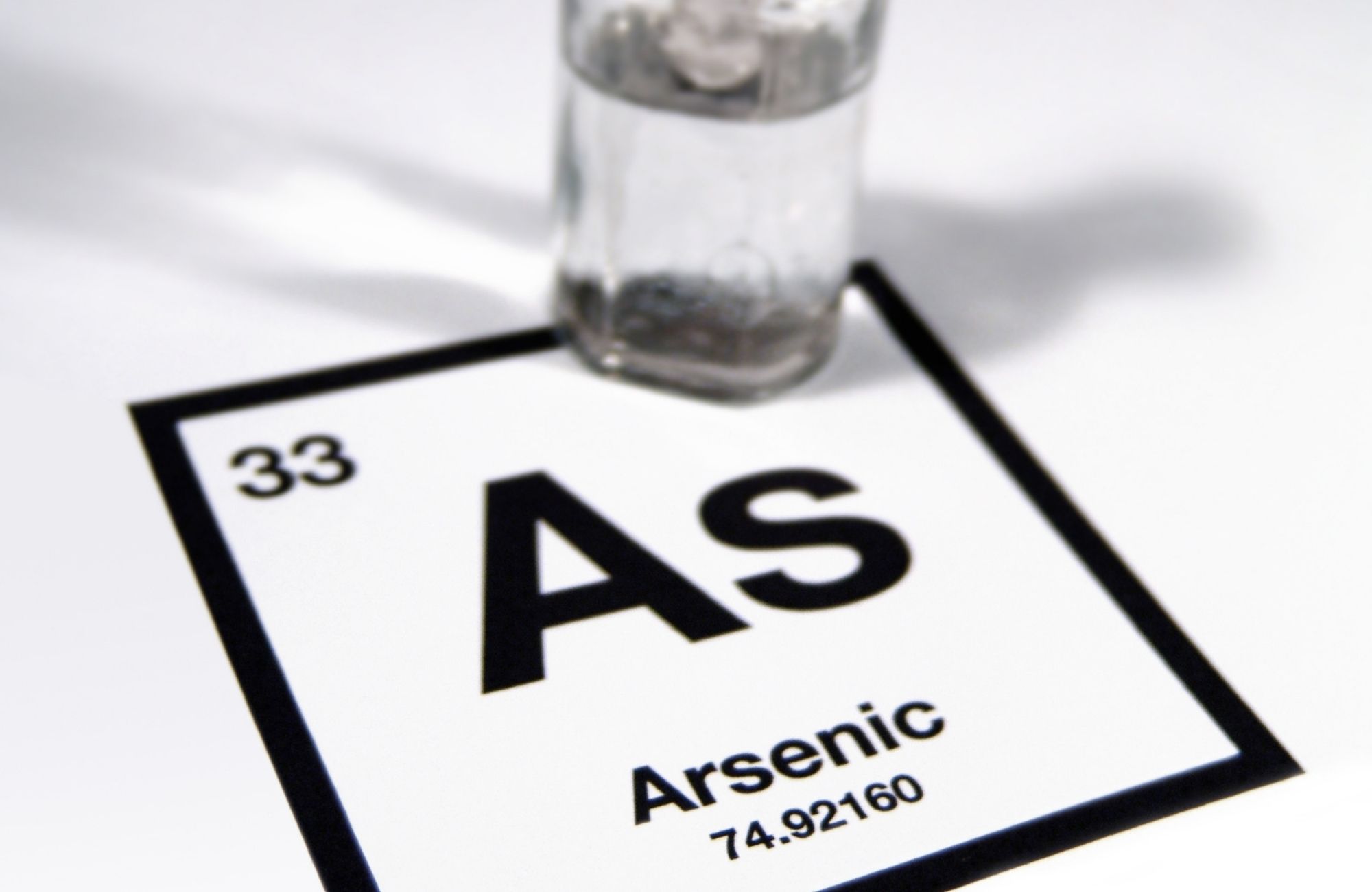
Arsenic in well water is a serious concern for homeowners who rely on private wells for their drinking water. Arsenic is a naturally occurring element found in soil and groundwater, and it can enter well water as water flows through underground rock formations. Because arsenic has no taste, color, or odor, most people have no idea it is present until their water is tested.
Long-term exposure to arsenic in drinking water is linked to severe health effects, including cancer, skin damage, cardiovascular and respiratory disease, and nervous system disorders. Unlike community water systems, private wells are not regulated by the Environmental Protection Agency, which means the well owner is responsible for testing and treating their own water supply. If your well water has never been tested, arsenic exposure may already be occurring through drinking, cooking, washing dishes, and consuming food prepared with contaminated water.
This guide explains how arsenic gets into well water, the health risks of exposure, how arsenic levels are tested, and the most effective ways to remove arsenic and reduce long-term health risks.
What Is Arsenic and How Does It Get Into Well Water?
Arsenic is a naturally occurring element found in the earth’s crust. It enters groundwater when water moves through soil and rock that contain arsenic-rich minerals. Wells drilled into certain geological formations are more likely to contain elevated arsenic levels, especially in regions with specific bedrock conditions.
Main Two Forms of Arsenic Found in Water
There are two main forms of arsenic found in water:
- Inorganic arsenic, the more toxic form, is commonly found in groundwater and well water
- Organic arsenic, typically found in food and fish, is considered less harmful
Arsenic can also come from human activity. Historically, arsenic was used in pesticides, wood preservative products, and industrial processes. In some areas, arsenic contamination is linked to older agricultural land, former industrial sites, or improperly managed septic system runoff that affects groundwater movement. Because arsenic is invisible and tasteless, testing is the only reliable way to know whether arsenic is found in your water supply.
Arsenic Levels, Drinking Water Standards, and Regulations
The Environmental Protection Agency established a maximum contaminant level (MCL) of 10 micrograms per liter (µg/L) for arsenic in public water supplies. This drinking water standard is based on research showing increased health risks above this level.
However, private wells are not regulated the same way as community water systems. The responsibility to test, interpret test results, and treat water falls entirely on the well owner. According to the Minnesota Department of Health and other disease control agencies, arsenic exposure can still pose health risks even at lower levels over long periods.
Arsenic levels can vary significantly between neighboring wells, even within the same town. This means one home may have safe water while another has high arsenic levels, making individual water testing essential.
Health Effects of Arsenic Exposure
Long-term exposure to arsenic in well water is linked to a wide range of health effects. The risk increases the longer exposure continues and the higher the arsenic concentration.
Cancer and Skin Conditions
Arsenic is a known carcinogen. Long-term exposure increases the risk of:
- Skin cancer
- Bladder cancer
- Lung cancer
Early signs of arsenic poisoning often appear on the skin, including dark spots, thickened skin, and lesions. These symptoms may develop after years of consuming water with elevated arsenic levels.
Cardiovascular and Respiratory Disease
Studies show a strong link between arsenic exposure and cardiovascular and respiratory disease. Arsenic affects blood vessels and circulation, increasing the risk of heart disease, high blood pressure, and respiratory illness. These effects may develop slowly, making them difficult to detect in the first few months of exposure.
Nervous System and Developmental Effects
Arsenic exposure affects the nervous system and is especially dangerous for children. Research links arsenic in drinking water to learning difficulties, lower IQ, and delayed development. Pregnant women exposed to arsenic may also face increased health risks for both mother and child.
How Arsenic Exposure Happens in Daily Life
Most people associate arsenic exposure only with drinking water, but exposure occurs in several ways:
- Drinking contaminated well water
- Using contaminated water for cooking and food preparation
- Washing dishes with contaminated water
- Consuming food and fish prepared with arsenic-contaminated water
Even bottled water may not always be a long-term solution, especially for whole-house use. If arsenic is present in the water entering your home, all the water used for daily activities may contribute to exposure over time.
Signs You May Have Arsenic in Well Water
Arsenic in well water rarely causes obvious warning signs. However, certain indicators may suggest a higher risk:
- Metallic or bitter taste in water
- Staining on sinks, tubs, or fixtures
- Water drawn from older or deeper water wells
- Wells drilled into arsenic-prone geological areas
- Previous test results showed elevated levels
Because taste and appearance are unreliable, water tested by a certified laboratory is the only accurate way to confirm arsenic presence.
How to Test Well Water for Arsenic
Testing well water for arsenic requires laboratory analysis. Home test strips are not reliable for detecting low or moderate arsenic levels.
Proper Testing Process
Before collecting a water sample, it’s important to follow the correct procedure:
- Collect a water sample using a clean container provided by a laboratory
- Send the sample to a certified laboratory or a commercial laboratory approved for arsenic testing
- Review test results carefully to understand arsenic concentration levels
Some testing panels include additional indicators, such as uranium, lead, or bacteria, which may help identify broader groundwater contamination concerns. In certain cases, a urine test may be recommended by healthcare providers to assess arsenic exposure in individuals, especially if health symptoms are present. Water should be regularly tested, especially if your well has never been tested or if water flows or quality have changed.
Effective Ways to Remove Arsenic From Well Water
If test results show high arsenic levels, water treatment is necessary. Several proven filtration and treatment methods can reduce arsenic levels effectively.
Reverse Osmosis
Reverse osmosis systems use a membrane to remove arsenic and other contaminants from drinking water. This method is effective for point-of-use treatment and is commonly installed at kitchen sinks.
Anion Exchange
Anion exchange systems replace arsenic ions with safer ions. These systems can be installed for whole-house treatment and are effective when properly maintained.
Adsorptive Media Filtration
Adsorptive media systems use specialized materials that bind arsenic and remove it from water. These systems are often used in whole-house filtration setups and can handle high arsenic concentrations.
Distillation and Filtration Systems
Distillation removes arsenic by evaporating water and condensing purified vapor. Additional filtration may be used alongside other systems to treat water throughout the home. Choosing the correct system depends on arsenic levels, water chemistry, household usage, and whether treatment is needed for all the water or only drinking water.
This is where Housatonic Valley Well Pump Services can help evaluate test results and recommend the most effective arsenic treatment solution based on your well water conditions.
Reducing Long-Term Arsenic Exposure
Reducing arsenic exposure involves more than installing a filtration system. Long-term protection requires ongoing monitoring and maintenance.
Key steps include:
- Having water tested regularly by a certified laboratory
- Monitoring test results for changes over time
- Maintaining filtration systems properly
- Avoiding untreated water for drinking and cooking
- Addressing potential groundwater contamination sources near the well
In some regions, nearby states like New Hampshire have published arsenic risk maps that highlight areas with naturally high arsenic levels. These resources can help well owners understand regional risks and plan testing schedules.
Conclusion
Arsenic in well water is a serious health concern, but with proper testing, monitoring, and treatment, you can reduce long-term exposure. Because arsenic has no taste or smell, many well owners do not realize it is present until a water test shows elevated levels. Regular testing and the right treatment system help keep your drinking water safe for daily use.
At Housatonic Valley Well Pump Service, we help homeowners in Litchfield County and Upper Fairfield County test and treat arsenic in well water. If you are concerned about your water quality, schedule a water test today.
FAQs
What do I do if I have arsenic in my well water?
If arsenic is found in your well water, the first step is to confirm the test results with a certified laboratory. Once elevated levels are confirmed, you should install a treatment system such as reverse osmosis, anion exchange, or adsorptive media filtration. A professional evaluation can determine the best way to treat water safely and reduce arsenic exposure.
Is it common to find arsenic in well water?
Yes, arsenic is commonly found in private wells, especially in areas where groundwater passes through arsenic-rich soil and rock. Because arsenic occurs naturally, many wells show elevated levels even in rural or undeveloped areas. This is why well water should be regularly tested.
Should you buy a house with arsenic in the water?
Buying a home with arsenic in the water is not uncommon, but it requires careful evaluation. The cost of treatment, system maintenance, and ongoing testing should be factored into the decision. A water test and professional consultation can help determine whether arsenic levels can be safely managed.
Can a water purifier remove arsenic?
Not all water purifiers remove arsenic. Systems such as reverse osmosis, anion exchange, and adsorptive media are proven to remove arsenic effectively. Standard carbon filters alone are usually not sufficient for high arsenic levels.