


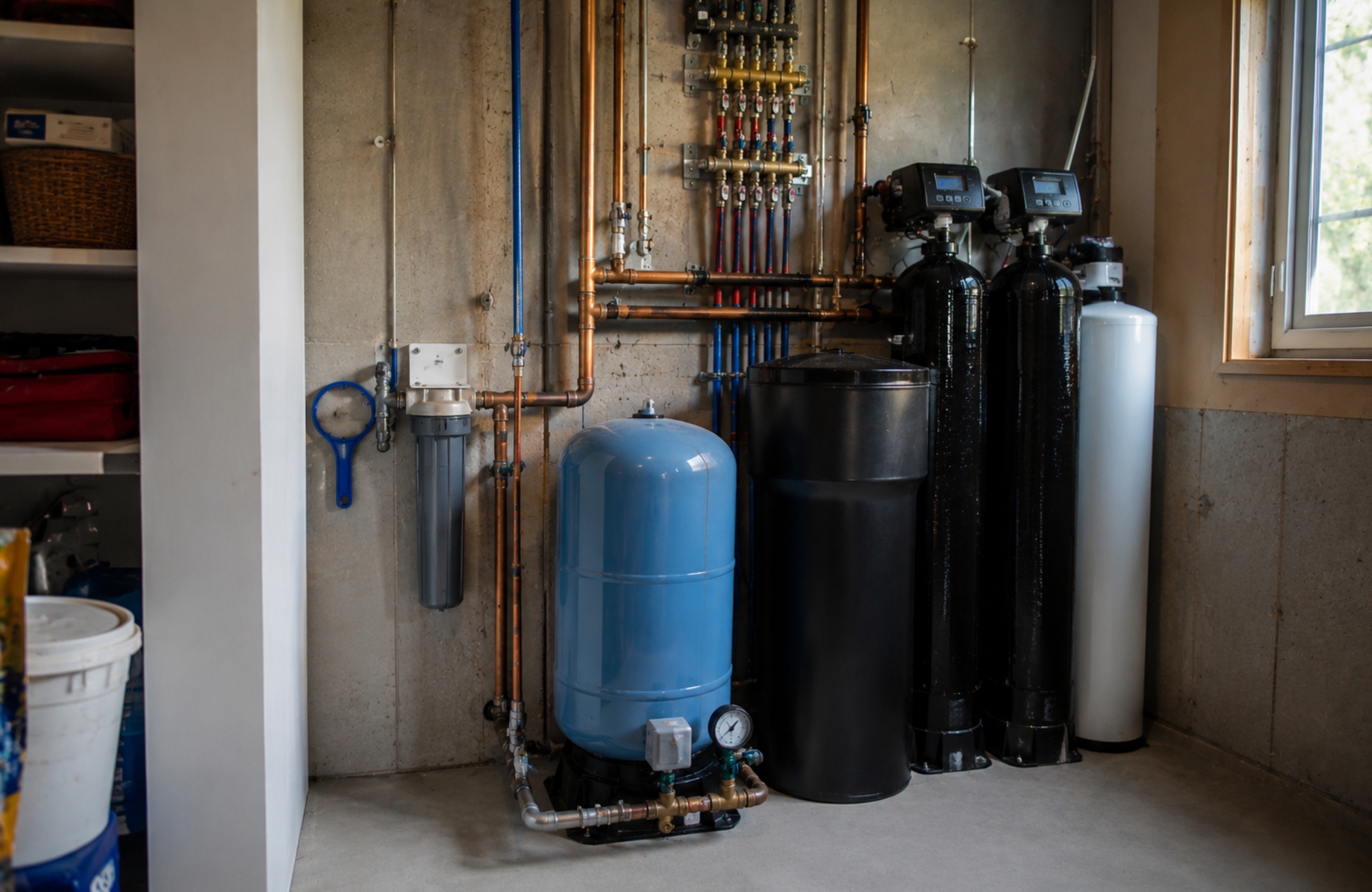
If your water pressure drops every time someone turns on a shower, starts the dishwasher, or runs the washing machine, a constant pressure well pump may be the solution. Many homeowners in New Milford, CT rely on a private well system for their water supply, and fluctuating water pressure is one of the most common problems they experience. A constant pressure system helps maintain steady pressure and consistent water flow throughout the house, even during periods of high demand.
At Housatonic Valley Well Pump Services, we help homeowners throughout New Milford and nearby Connecticut communities diagnose pressure problems and determine whether a new pump, pressure tank upgrade, submersible well pump installation, or complete system replacement makes sense. If your well pumps struggle to keep up with daily usage, a professional inspection can help identify the right solution.
What Is a Constant Pressure Well Pump?
A constant pressure well pump is a pump system that uses a variable speed motor and a constant pressure controller to maintain consistent water pressure throughout a home. Unlike conventional systems that cycle on and off as pressure changes, constant pressure pumps automatically adjust output to match household demand.
Traditional well pumps typically operate between a pressure range such as 40/60 PSI. As water is used, pressure gradually drops until the pressure switch signals the pump to start. This process repeats throughout the day and can cause fluctuating water pressure.
A constant pressure system uses sensors, a controller, and a Variable Frequency Drive (VFD pump) to monitor water pressure in real time. The controller adjusts motor speed as demand changes, helping maintain steady pressure whether one faucet or several appliances are running.
Main Components of a Constant Pressure System
- Constant pressure well pump
- Constant pressure controller
- Variable Frequency Drive (VFD)
- Pressure switch
- Pressure tank
- Pressure sensors
- Valves and system controls
Together, these components help produce reliable water flow while protecting the pump from unnecessary wear.
How Does a Constant Pressure Well Pump Work?
A constant pressure system works by continuously monitoring water usage and adjusting pump speed to maintain a consistent pressure level. Instead of repeatedly cycling on and off like conventional pumps, the system responds instantly to changes in demand.
For example, if someone starts a shower while another person uses a faucet and the washing machine begins to fill, the sensors detect the change. The controller communicates with the motor and increases output to maintain the desired pressure.
Simple Process Overview
- Water demand increases.
- Sensors detect a pressure change.
- The constant pressure controller receives the signal.
- The VFD pump adjusts motor speed.
- Water pressure remains stable.
- Pump protection features help prevent unnecessary wear.
This technology allows the pump to match actual household usage rather than operating at full power every time water is used.
Constant Pressure System vs Conventional Systems
A constant pressure system provides consistent pressure and steady flow during high demand, while conventional systems rely on a cycle of turning on and off as water pressure changes. Understanding the difference can help homeowners choose the right well system for their needs.
| Feature | Constant Pressure System | Conventional System |
| Water Pressure | Consistent | Fluctuates |
| Pump Cycle | Variable Speed | Frequent On/Off Cycle |
| Pressure Drops | Minimal | Common |
| Pressure Tank | Smaller Pressure Tank | Larger Tank |
| Electricity Usage | May be lower | May be higher |
| Flow During High Demand | Stable | May Vary |
| Comfort | Better Pressure | Moderate |
| Upfront Cost | Higher | Lower |
Why Conventional Pumps Experience Pressure Drops
Conventional pumps operate at one speed. When multiple fixtures are used, pressure drops can occur because the pump cannot adjust output fast enough. Homeowners often notice sudden drops when:
- A shower is running
- The dishwasher starts
- The washing machine fills
- An irrigation system operates
- Several faucets are open simultaneously
When a Constant Pressure System May Perform Better
A constant pressure system may perform better when pressure drops are caused by changing household demand. The system adjusts pump speed as fixtures and appliances turn on or off, which can help reduce pressure swings during showers, laundry, dishwashing, or irrigation use. However, the system still needs to be properly sized for the well, plumbing, and household demand.
Variable Speed Motor Technology
A variable speed motor can slow down or speed up depending on how much water the home needs. This reduces unnecessary full-speed operation and can help limit wear on the pump system.
Constant Pressure Controller
The controller monitors system pressure and tells the pump how much output is needed. This is what allows the system to maintain a more consistent pressure level during normal household use.
Soft Start Technology
Many constant pressure systems use soft-start technology, which allows the motor to ramp up gradually instead of starting abruptly. This can reduce stress on the motor and other system components.
Real-Time Pressure Monitoring
A constant pressure system monitors pressure changes as water demand increases or decreases. When another shower, faucet, appliance, or irrigation zone turns on, the system adjusts pump speed to help maintain a steady flow.
Signs Your Home May Need a Constant Pressure Well Pump
A constant pressure system may be worth considering when pressure problems happen, mainly during high-demand water use. This includes situations where showers, appliances, irrigation, or multiple fixtures are running at the same time.
Common signs include:
- Water pressure drops when more than one fixture is used
- Shower pressure changes when appliances turn on
- Second-floor fixtures have weaker pressure
- Irrigation affects indoor water flow
- Pressure feels inconsistent throughout the day
- The pump cycles frequently
- Water treatment equipment seems to reduce flow
These symptoms do not always mean the pump needs to be replaced. Similar problems can also be caused by a failing pressure tank, pressure switch issue, clogged filter, valve restriction, plumbing limitation, or low well yield. A full inspection is needed before deciding whether a constant pressure upgrade is the right fix.
Common Mistake Homeowners Make
One common mistake is assuming the well pump is failing whenever water pressure drops. Pressure issues can also come from the pressure tank, pressure switch, clogged filters, partially closed valves, water treatment restrictions, plumbing limitations, or low well yield.
Before replacing a pump or upgrading to a constant pressure system, the full system should be inspected to confirm the actual cause.
Can a Constant Pressure Well Pump Fix Low Water Pressure?
A constant pressure well pump can help when low water pressure is caused by demand on the system, such as multiple fixtures, appliances, or irrigation zones running at the same time. It is designed to maintain steadier pressure during normal household use.
Situations Where It Can Help
- Pressure drops when more than one fixture is used
- Shower pressure changes when appliances turn on
- Large homes with higher water demand
- Homes with irrigation systems
- Systems with pressure tank or pump sizing limitations
Situations Where It May Not Help
- Low-producing wells
- Clogged filters or pipes
- Damaged plumbing
- Partially closed valves
- Water treatment restrictions
- Severe well yield issues
A constant pressure system can improve pressure consistency, but it cannot create more water than the well can safely supply. A full system inspection is needed to confirm whether the issue is pump performance, system sizing, plumbing restriction, or well capacity.
Benefits of a Constant Pressure System for Connecticut Homes
A constant pressure system can make a private well system feel more consistent during everyday use, especially in homes with multiple bathrooms, water treatment equipment, irrigation, or high appliance demand.
Better Pressure During Daily Use
The primary benefit of a constant pressure system is maintaining more consistent water pressure throughout the home. Pressure is less likely to fluctuate when multiple fixtures, appliances, or outdoor water systems are operating at the same time.
Improved Appliance and Filtration Performance
Water softeners, filters, dishwashers, and washing machines often perform better when flow and pressure remain consistent. However, clogged filters or undersized plumbing can still limit performance.
Helpful for Irrigation Systems
Homes with irrigation systems may benefit from constant pressure because outdoor water use can place heavy demand on the well system.
More Comfortable Water Use
For many homeowners, the biggest improvement is comfort. The system can reduce sudden pressure changes and make the home’s water supply feel closer to municipal water service.
How to Know If a Constant Pressure System Is Worth It
A constant pressure system is most worth considering when the well can produce enough water, but the home struggles to maintain steady pressure during normal use. Homes with multiple bathrooms, irrigation, water treatment equipment, or frequent simultaneous water use may benefit most.
It may not be the best first solution if the issue is caused by a clogged filter, failing pressure tank, pressure switch problem, plumbing restriction, or low well yield. In those cases, fixing the limiting component may solve the pressure problem without replacing the full pump system.
How Constant Pressure Pumps May Improve Energy Efficiency
Constant pressure pumps can be more efficient than conventional pumps because they adjust motor speed based on current water demand. Instead of running at full speed every time water is used, the system can slow down or speed up as needed.
Potential Efficiency Benefits
- Reduced full-speed operation
- Fewer hard starts and stops
- Less unnecessary cycling
- Lower mechanical stress
- More consistent performance during everyday use
Energy savings vary by home. Well depth, pump size, water usage, irrigation demand, and existing equipment condition all affect performance. For most homeowners, the main benefit is not just lower electricity use. It is steadier pressure and improved comfort throughout the home.
Why Constant Pressure Systems Use a Smaller Pressure Tank
Constant pressure systems require a smaller pressure tank because the pump continuously adjusts output to meet demand. Traditional systems rely on a larger tank to store water pressure between pump cycles.
Benefits of a Smaller Pressure Tank
- Saves space
- Easier installation
- Reduced equipment footprint
- Better use of utility areas
The tank still plays an important role, but it does not need to store as much pressurized water as conventional systems.
Constant Pressure Well Pump vs City Water
Many homeowners want their private water system to perform more like city water. A constant pressure system helps achieve this goal by delivering steady pressure and consistent flow throughout the home.
| Feature | Constant Pressure System | City Water |
| Water Source | Private Well | Municipal Supply |
| Pressure Consistency | High when properly sized | High |
| Flow Stability | Depends on system design | Depends on system design |
| User Experience | Similar to City Water | Standard |
While city water systems depend on municipal infrastructure, well systems rely on properly sized pumps, controllers, pressure tanks, and plumbing components.
Cost Factors for a Constant Pressure Well Pump System
The cost of a constant pressure well pump system depends on equipment, installation requirements, and the condition of existing components. While initial costs can be higher than traditional systems, many homeowners find the benefits worthwhile.
| Cost Factor | Impact |
| Well Depth | Influences pump size |
| Pump Capacity | Affects equipment cost |
| Existing Tank | May need replacement |
| Electrical Work | May require upgrades |
| Water Treatment Equipment | Influences design |
| Installation Labor | Varies by property |
The best way to determine cost is through a professional inspection and estimate, supported by a detailed well pump repair cost guide for Southbury, CT, homeowners.
How We Evaluate Homes for Constant Pressure Upgrades
The right recommendation starts with a complete inspection of the well system. At Housatonic Valley Well Pump Services, we assess every component before recommending repairs, upgrades, or replacement.
Our Process
- Test water pressure.
- Inspect the pump.
- Evaluate the pressure tank.
- Review water treatment equipment.
- Measure household demand.
- Check well supply capability.
- Recommend the best solution.
Pressure complaints often involve more than one possible cause. A full inspection should check the pump, pressure tank, controls, filters, valves, plumbing, and well supply before recommending replacement.
Related Well System Services
Depending on the cause of the pressure problem, homeowners may also benefit from well pump repair and 24/7 emergency service in Danbury, CT, pressure tank service, well inspections, water filtration or treatment service, or emergency well pump service. A complete inspection can help determine which service is most appropriate.
Conclusion
A constant pressure well pump is worth considering when pressure drops happen during normal household use and the well system can support the demand. For homes in New Milford and nearby Connecticut communities, the right setup can provide steadier performance without replacing equipment unnecessarily.
If you are experiencing fluctuating water pressure, low water pressure, or frequent pump cycling, contact us today. Housatonic Valley Well Pump Services can inspect the full system and determine whether a constant pressure upgrade, repair, or another solution is the right fit.
FAQs
Is a Constant Pressure Well Pump Worth It?
A constant pressure well pump is worth it if your home has pressure drops when showers, faucets, appliances, or irrigation run at the same time. It helps maintain steadier water pressure and can improve comfort in larger homes. However, it is not always the right fix if the issue comes from clogged filters, a failing tank, plumbing restrictions, or low well yield.
How Much Does a Constant Pressure Well Pump Cost?
The cost of a constant pressure well pump depends on the pump size, controller type, well depth, installation needs, and whether other parts need replacement. Homes that need electrical updates, pressure tank changes, or water system repairs may have a higher total cost. A professional water system evaluation is the best way to get an accurate estimate.
What Is a Constant Pressure Well Pump?
A constant pressure well pump is a well pump system that adjusts pump output based on water demand. Instead of cycling fully on and off like a traditional system, it changes speed to help maintain steady pressure. This can reduce pressure swings when multiple fixtures run at once.
What Is the Difference Between a Constant Pressure Well Pump and a Traditional Well Pump?
A traditional well pump runs at a fixed speed and turns on or off as pressure changes in the tank. A constant pressure well pump uses a controller, often with a Variable Frequency Drive, to adjust motor speed based on water demand. This allows the system to provide more consistent pressure with less noticeable fluctuation.