


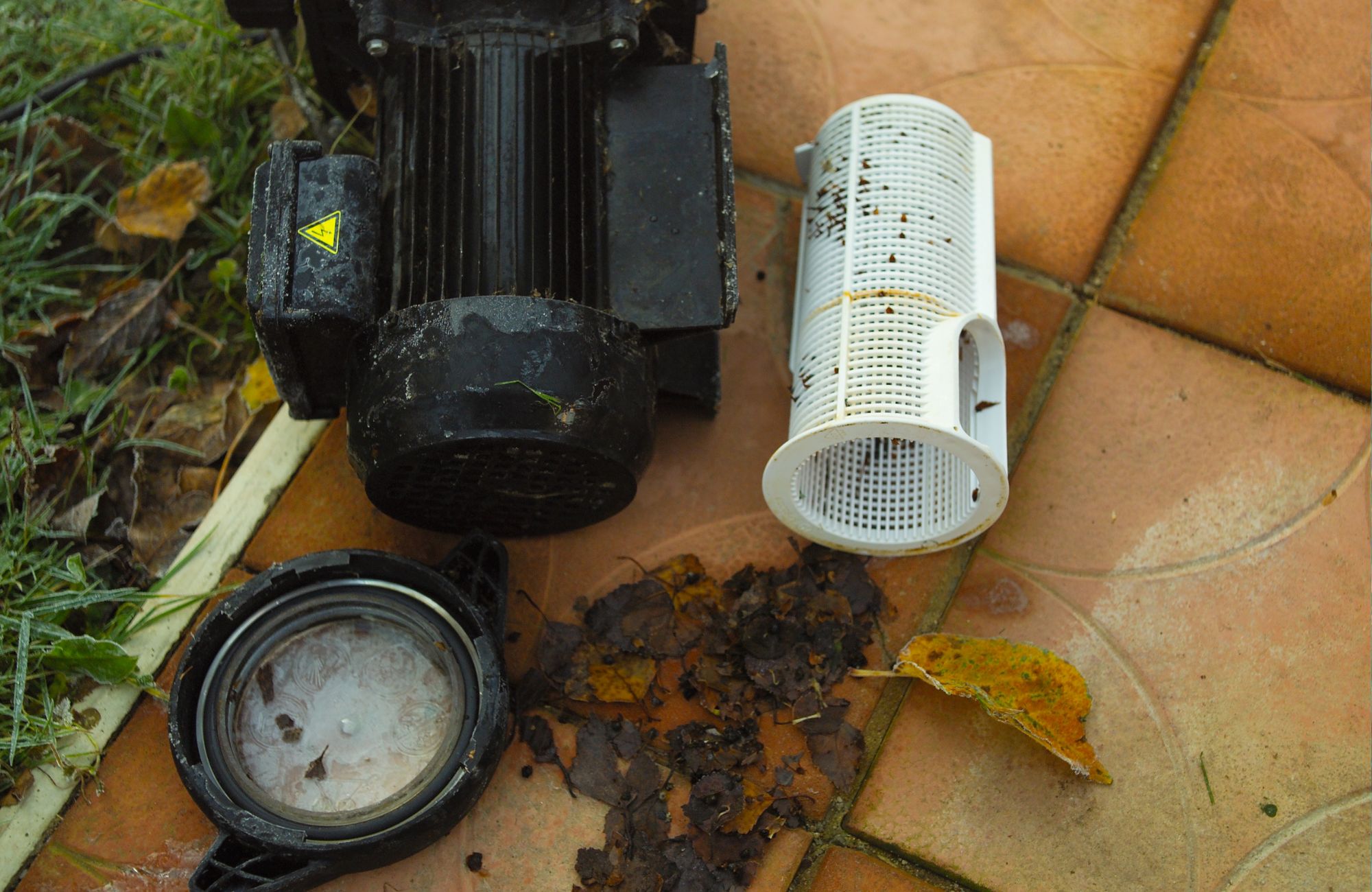
When a well pump loses prime, water service can become unreliable without much warning. Faucets may sputter, pressure may drop, or an above-ground jet pump may run without delivering water.
Professional well pump services can determine whether the problem is a temporary loss of prime or a sign of a larger issue within the well system. Repriming may restore water briefly, but repeated prime loss should be inspected rather than treated as routine maintenance.
Shut the pump off if it does not begin moving water or building pressure within the startup time specified in the manufacturer’s manual. Continuing to run it dry can cause overheating and internal damage.
What Does It Mean When a Well Pump Loses Prime?
A pump loses prime when it no longer contains the water needed to create suction and draw more water from the well. This problem mainly affects above-ground jet pumps and their suction piping. The pump casing and suction line must be filled before the pump can move water correctly.
A jet-pump system depends on a continuous water column between the pump and the well. The foot valve, check valve, fittings, and suction pipe help keep that water from draining away after the motor stops. Goulds Water Technology explains that the piping system and check valves retain the water needed to keep the system primed rather than the pump holding prime by itself.
A submersible pump uses a different setup because the pump operates inside the well. Do not apply surface jet-pump priming instructions to a submersible system. Similar symptoms may require testing of the check valve, drop pipe, well level, wiring, or pump.
Why Would a Well Pump Lose Its Prime?
Common reasons a jet pump loses prime include suction-side air leaks, a faulty foot or check valve, low well water, blocked piping, damaged seals or gaskets, and incomplete priming.
A pump can pull air through a very small opening. Because the suction pipe operates under vacuum, an air leak may not leave a visible water drip. Pentair notes that a suction-side connection may allow air to enter even when no water visibly leaks from the fitting.
The main causes include:
- Loose or cracked suction fittings: Air enters and breaks the water column.
- Faulty foot valve: Water drains back into the well after shutdown.
- Leaking check valve: The suction line or pump casing cannot stay full.
- Low water level: The intake may draw air instead of water.
- Blocked foot valve or strainer: Sand, mud, or debris restricts intake flow.
- Leaking pump-casing seal or gasket: A damaged seal may allow air into the pump or prevent the casing from retaining water.
- High spots in the suction pipe: Trapped air makes the system harder to prime.
- Incomplete priming: Air remains inside the casing or long suction line.
Pentair lists suction leaks, leaking valves, low water, plugged strainers, blocked ejectors, and improper priming among the possible causes when a jet-pump motor runs but delivers no water.
How Do You Get Prime Back on a Well Pump?
To restore prime, disconnect power, relieve system pressure, and follow the instructions for the exact jet-pump model. Priming steps vary between shallow-well and deep-well pumps, so do not rely on a universal procedure.
A general process includes:
- Disconnect power at the electrical panel.
- Open a faucet or approved tank drain to relieve pressure.
- Confirm that the system uses an above-ground jet pump.
- Remove the approved priming plug and fill the pump with clean water as directed by the manual.
- Reinstall the plug, restore power, and watch the pressure gauge.
Do not loosen plugs while the system is pressurized or keep the pump running if it does not move water or build pressure within the manufacturer’s allowed startup time.
If the pump loses prime again, stop repriming it. The suction piping, valves, seals, and well-water level should be inspected to find the cause.
Why Does the Pump Lose Prime When Turned Off?
A pump that works after priming but loses prime while sitting usually allows water to drain back toward the well or air to enter the suction line. A leaking foot valve, faulty check valve, loose fitting, cracked pipe, or worn seal may be responsible.
Watch how quickly pressure falls after the pump stops. Fast pressure loss can support the possibility of a leak or valve problem, but it does not identify the exact location.
A failed foot valve may let the entire suction column empty. A tiny suction-side leak may admit air slowly without creating a puddle. Manufacturer troubleshooting guidance recommends checking the suction connections, shaft seal, foot valve, and check valve when an existing installation loses prime.
How Do You Keep a Pump From Losing Prime?
Keeping a jet pump primed requires airtight suction piping, working foot and check valves, a submerged intake, and a clear path from the well to the pump. Regular checks should focus on fittings, seals, pipe condition, water level, strainers, and changes in pump pressure or runtime.
Keep suction piping level or sloped continuously upward toward the pump, without high points that can trap air. Repeated repriming should never become normal maintenance. A properly operating system should retain the water needed for the next pump cycle.
Fix the Cause, Not Just the Lost Prime
Manual priming can get a jet pump moving again, but it should not be a repeated chore. When the pump loses prime after shutdown, runs without building pressure, or starts pulling air, inspect the suction piping, valves, seals, intake, and well-water level before operating it again.
Housatonic Valley Well Pump Services provides well-pump troubleshooting and 24/7 emergency assistance for homeowners in Litchfield County, Upper Fairfield County, and surrounding Connecticut communities.
FAQs
Why would a well pump lose its prime?
A jet pump loses prime when air enters the pump or suction line, or when water drains back toward the well. Common causes include a suction leak, faulty foot valve, leaking check valve, low water level, blocked intake, or worn seal. Repeated prime loss means the cause has not been corrected.
How do you keep a pump from losing prime?
The suction pipe and fittings must remain airtight, and the foot or check valve must prevent drain-back. The intake also needs to remain below the water level and clear of debris. Repair leaks or failed valves rather than relying on frequent manual priming.
How do you get prime back on a well pump?
Disconnect power and follow the instructions for the exact jet-pump model. Most procedures involve filling the pump casing and suction piping through a priming port, venting trapped air, replacing the plug, and watching for pressure during restart. Stop the pump if it fails to move water.
Why does my pump lose prime when I turn it off?
Water may be draining through a faulty valve, or air may be entering through a fitting, pipe, seal, or gasket. The leak can be too small to show visible water outside the pipe. Valve and suction-line testing can narrow down the location.
Can a submersible well pump lose prime?
Submersible pumps do not use the same manual priming process as above-ground jet pumps. When a submersible system loses pressure or stops delivering water, possible causes include low water, a failed check valve, a leaking drop pipe, electrical trouble, or pump failure. The system should be diagnosed before parts are replaced.
Is it safe to run a pump that has lost prime?
No. A pump that runs without enough water can overheat and damage its seal or internal parts. Shut it off when it fails to build pressure or move water within the time stated in the manual.