


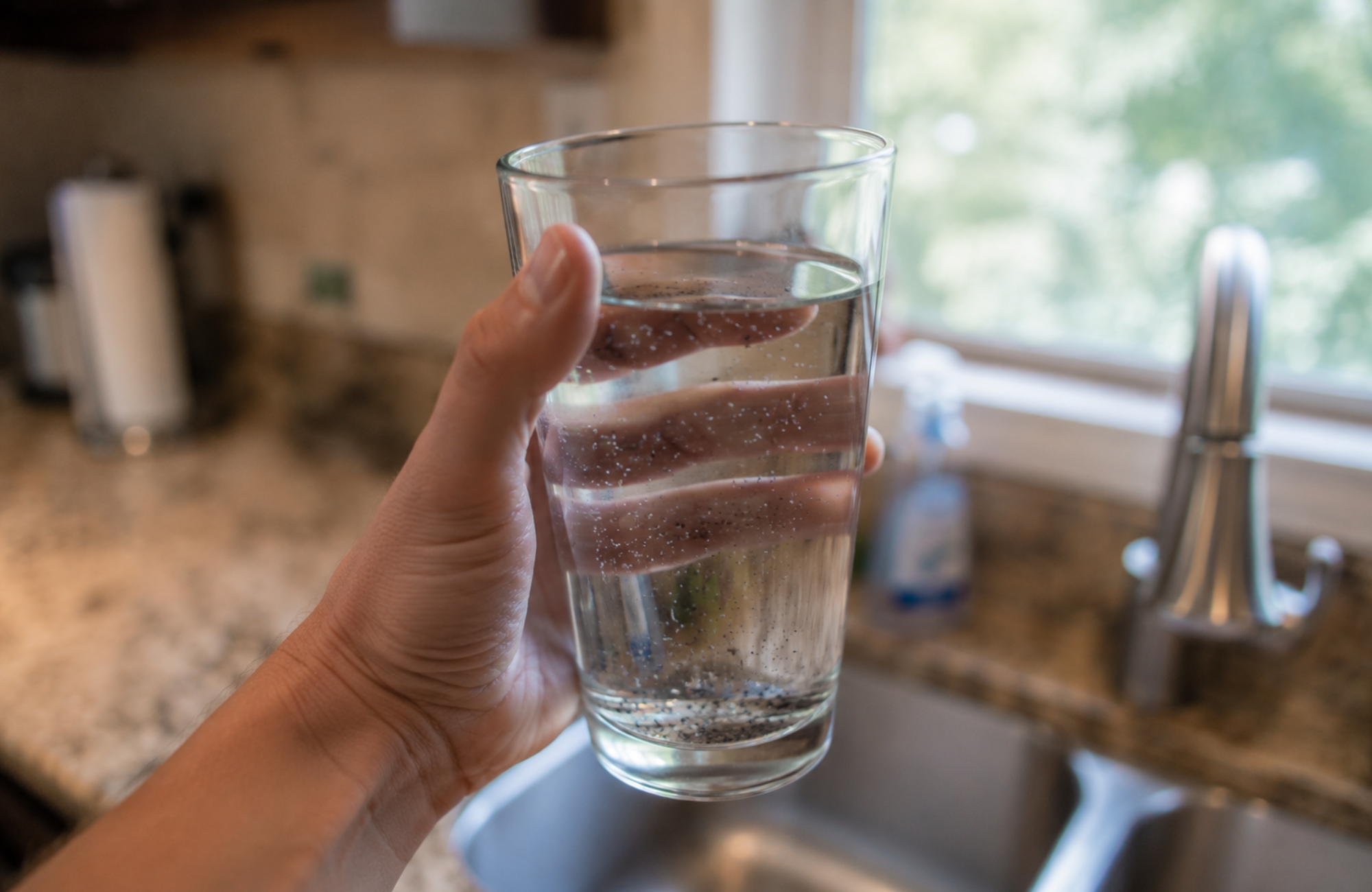
A strong sewage odor inside your home can make you worry about leaks, backups, or hidden plumbing problems. If you are searching for what causes sewage smell in house, the answer often comes down to a dry drain trap, a loose toilet seal, blocked vent pipes, a damaged sewer line, or a water quality issue.
This guide is for homeowners and small property owners in Northern Westchester and Putnam County who want a clear, practical way to understand the smell before it becomes a larger problem. If the odor keeps coming back, Goldberg Plumbing & Heating can inspect your plumbing system and explain the next step without pushing unnecessary work.
What Does a Sewage Smell in a House Usually Mean?
A sewage smell in a house usually means sewer gas is entering the living space instead of staying inside the plumbing system. The source may be simple, such as a dry P trap, or more serious, such as a damaged sewer line. The strongest odor location often gives the best clue.
Sewer gas often smells like rotten egg because it can contain hydrogen sulfide gas. It may also contain methane and other gases from waste breakdown. A brief odor from one drain may not mean an emergency, but repeated sewer odors deserve attention.
Your home’s plumbing system uses water-filled traps, sealed fittings, and vent pipes to control air pressure and keep sewer gases out. When one part fails, foul odors can move into bathrooms, kitchens, basements, laundry rooms, or nearby living spaces.
Common Causes of Sewage Smell in House
The most common causes of sewage smell in house include dry P-traps, clogged drains, loose toilet seals, blocked vent pipes, cracked drain lines, and sewer line damage. In homes with private wells, a rotten egg odor may also come from water quality problems instead of the sewer system.
Dry P-Traps
A P-trap is the U-shaped pipe designed to hold water under sinks, tubs, showers, and floor drains. That water barrier plays a simple but important role: preventing sewer gases from entering your home.
A dry P trap often happens when a fixture sits unused for weeks. Guest bathrooms, basement floor drains, laundry drains, and seasonal spaces are common trouble spots. Slowly pouring water into the drain may refill the trap and stop the sewer gas smell.
Clogged or Dirty Drains
A clogged drain can trap hair, soap, grease, food waste, and organic matter. As that material breaks down, it can create sewage odors even when water still drains.
This often happens in a shower drain, bathroom sink, kitchen sink, or utility sink. Baking soda and white distilled vinegar may help reduce mild surface odors, but they will not fix a deeper drain pipe, vent, or sewer line issue.
Loose Toilet Seal or Failed Wax Ring
A toilet connects to the drain line through a toilet flange and wax ring. If the wax ring fails, sewer gas can leak from the base of the toilet.
Watch for these signs:
- Sewer smell near the toilet base
- A rocking toilet bowl
- Water around the floor
- Odor that gets worse after flushing
- Stains or soft flooring near the toilet
A loose toilet seal should not be ignored. Even if you do not see water, the opening may still allow sewer gas to escape.
Blocked Vent Pipes
Vent pipes help balance air pressure in the home’s plumbing system. They also allow sewer gases to leave through the roof instead of backing into the home.
A clogged vent pipe may happen because of leaves, bird nests, natural debris, ice, or a broken vent pipe. When airflow gets blocked, shifting air pressure can pull water out of a P-trap or push sewer gas back through drains.
Cracked Drain Lines or Pipe Leaks
A leaky pipe, cracked drain line, or old sewer pipe can allow sewer gas leaks behind walls, under floors, or in basements. Older homes may still have cast-iron pipes that can develop cracks over time.
Pipe material, age, soil movement, and corrosion all matter. A small crack may create bad smells before it causes visible water damage.
Sewer Line Problems
A damaged sewer line can create strong sewer odors in several parts of the house. Tree roots, shifting soil, old pipe material, heavy buildup, or collapsed sewer lines can all affect the main sewer line.
If a sewer line issue grows worse, you may notice slow drains, gurgling sounds, sewage backup, or foul odors in multiple rooms. These signs usually call for a professional plumber.
What the Location of the Sewer Smell Can Tell You
The location of the sewer smell can help narrow down the problem. Odor near one fixture often points to a local drain, P-trap, or wax ring issue. Odors throughout the home may point to vent pipes, sewer line trouble, or air pressure problems in the plumbing system.
Before assuming the worst, note where the smell is strongest and when it happens. Some sewer odors appear only after running water. Others show up during rainy weather, after a fixture sits unused, or when several drains run at once.
| Where You Notice the Odor | Possible Cause | Practical Next Step |
| Bathroom | Wax ring, toilet drains, shower drain, bathroom sink | Check toilet base and run water in drains |
| Basement | Dry floor drains or sewer line issue | Refill traps and watch if odor returns |
| Kitchen | Clogged drain, grease buildup, organic matter | Clean drain opening and monitor |
| Laundry room | Dry P trap or drain line issue | Run water and check for slow drainage |
| Whole house | Vent pipes, sewer line, main sewer line | Schedule professional inspection |
| Hot water taps | Water heater or sulfur bacteria | Request water system evaluation |
In Jefferson Valley, Yorktown Heights, Mahopac, and Somers, many older homes have basement floor drains that homeowners rarely use. Once those traps dry out, sewer gas can enter finished lower-level spaces.
Could the Smell Be Coming From Your Water Instead?
A rotten egg odor does not always mean sewer gas. In homes with wells, the smell may come from hydrogen sulfide in the water, sulfur bacteria, or a water heater issue. This matters because sewer odors and water odors require different solutions.
The easiest clue is where the smell appears. If the odor comes from a room or drain, the plumbing system may be the source. If the odor comes from faucets, especially hot water taps, the water system may need testing.
| Sewer Gas Problem | Water Quality Problem |
| Smell near drains or fixtures | Smell from faucets |
| Odor in a room | Odor only when water runs |
| May involve P-trap, vent pipes, or sewer line | May involve well water or water heater |
| Often worse near bathrooms or floor drains | Often worse at hot water taps |
A water heater can also create a rotten egg odor when bacteria react inside the tank. If you only smell sewage when using hot water, have the water heater and water quality checked before assuming you have a sewer line problem.
Is Sewer Gas Dangerous?
Sewer gas can affect indoor air quality, especially when the smell is strong or persistent. It may contain hydrogen sulfide and methane. Low-level exposure can cause irritation, headaches, nausea, or dizziness in some people, while high concentrations require immediate safety attention.
Do not rely only on smell to judge risk. Hydrogen sulfide has a rotten egg odor at low levels, but strong or prolonged exposure can dull your sense of smell. Open windows for fresh air if the odor is strong, and leave the area if anyone feels sick.
Call for help if you notice:
- Strong sewer gas smell in multiple rooms
- Headaches, nausea, dizziness, or breathing irritation
- Gurgling drains with foul odors
- Sewage backup
- A sharp rotten egg odor near gas appliances
- Odor that returns after basic fixes
If the odor seems sharper near gas appliances, treat it as a possible natural gas issue and contact the gas utility or emergency service.
What Homeowners Can Check Before Calling a Plumber
Homeowners can safely check a few simple things before calling a plumber. Start with unused drains, toilet bases, slow drains, and whether the odor appears from hot water or from the room itself. These steps help you describe the problem clearly and may solve minor sewer odors.
Run water in drains regularly, especially in rarely used bathrooms and basement floor drains. This keeps the P-trap full and helps with preventing sewer gases from entering the home.
You can also check the basics:
- Run water in unused sinks, tubs, showers, and floor drains.
- Look around the toilet base for movement, stains, or water.
- Notice whether the odor appears near a drain or faucet.
- Check if multiple drains are slow.
- Listen for gurgling after flushing or draining a sink.
- Clean visible drain buildup with safe household methods.
- Avoid chemical drain cleaners if you suspect old pipes or a sewer line issue.
For minor drain odors, baking soda followed by white distilled vinegar may help reduce surface buildup. After the source is fixed, open windows to help eliminate lingering odors and bring fresh air into the home.
When Should You Call a Professional Plumber?
You should call a professional plumber when sewer odors return, spread across multiple rooms, appear with slow drains, or point to hidden pipe damage. A plumber can inspect the plumbing system, test suspected leaks, and confirm whether the problem comes from a fixture, vent pipe, sewer line, or water system.
Professional diagnosis saves time because many sewer odors have similar symptoms. A dry P trap, broken vent pipe, failed wax ring, and damaged sewer line can all make a house smell like sewage.
A plumber may use:
- Visual fixture inspection
- Drain and sewer camera inspection
- Smoke test to locate sewer gas leaks
- Water system testing
- Sewer line evaluation
- Toilet flange and wax ring inspection
A smoke test can help find sewer gas coming from hidden gaps, vent defects, or pipe leaks. A camera inspection can show buildup, tree roots, damaged sewer line sections, or collapsed sewer lines inside the piping.
Common Sewer Odor Problems in Northern Westchester Homes
Homes in Northern Westchester and Putnam County often have sewer odor problems tied to older plumbing, unused drains, finished basements, private wells, or aging underground lines. Local conditions matter because the same rotten egg odor can point to different causes depending on the home’s age and water source.
In older homes, cast iron pipes may develop cracks or corrosion. These cracks can release sewer odors before a homeowner notices water damage. In finished basements, floor drains often sit behind furniture, laundry equipment, or storage, so the trap dries out unnoticed.
Mature trees can also create sewer line trouble. Roots seek water and can enter small pipe openings, which may lead to slow drainage, backups, or recurring odors.
Homes with wells need a different line of thinking. A rotten egg odor at faucets may point to hydrogen sulfide, sulfur bacteria, or water heater conditions. That is why a good inspection should consider both plumbing and water quality before recommending a repair.
Common Mistakes Homeowners Make With Sewer Odors
Many homeowners try to cover up sewer odors before finding the source. Air fresheners, candles, and repeated drain cleaner use may hide the smell for a short time, but they do not stop sewer gas leaks or fix plumbing problems.
The biggest mistake is assuming every sewage smell comes from the same cause. A bathroom odor may come from a wax ring. A basement odor may come from dry floor drains. A whole-house odor may point to vent pipes or a sewer line. A hot water odor may come from the water heater.
Avoid these common mistakes:
- Ignoring smells that keep returning
- Pouring harsh chemicals into old pipes
- Assuming no leak means no plumbing issue
- Forgetting rarely used floor drains
- Replacing fixtures before checking venting or traps
- Treating a water quality problem like a sewer problem
A careful diagnosis protects the home and helps avoid unnecessary repairs.
Conclusion
If you are trying to figure out what causes a sewage smell in the house, start with the most common sources: dry P-traps, clogged drains, damaged toilet seals, blocked vent pipes, sewer line problems, and water quality issues. The right repair depends on the source. Covering the smell will not solve the problem, and guessing can lead to wasted time or unnecessary repairs.
Goldberg Plumbing & Heating helps homeowners in Northern Westchester and Putnam County identify sewer odors, plumbing issues, water heater odors, and well water concerns. If your home smells like sewage and the cause is not clear, contact our team for a practical inspection and honest recommendations.
FAQs
How do I fix the sewer smell in my house?
Start by finding where the odor is strongest. Run water in unused drains to refill any dry P-trap, then check toilet bases, shower drains, floor drains, and sinks. If the sewer smell returns, a professional plumber should inspect the plumbing system for vent pipe issues, sewer gas leaks, or sewer line damage.
Why does my house smell like sewage but no leak?
A house can smell like sewage even when there is no visible leak. Sewer gas may escape through a dry P trap, failed wax ring, loose cleanout plug, cracked drain line, or clogged vent pipe. These problems may release odors without causing obvious water damage.
How do I find out where a sewer smell is coming from?
Start by checking whether the smell is strongest near a bathroom, basement, kitchen, laundry room, or faucet. If it appears near drains, the issue may involve a P trap, clogged drain, or venting problem. If the smell comes from hot water taps, the water heater or water supply may need testing.
Is it safe to stay in a house that smells like sewer?
A brief sewer smell from one drain is usually not an emergency, but persistent sewer gas should be checked. Sewer gas can affect indoor air quality and may cause headaches, dizziness, nausea, or irritation in some people. If the smell is strong, affects multiple rooms, or causes symptoms, ventilate the area and call a professional.
Why does my bathroom smell like sewage?
A bathroom may smell like sewage because of a dry shower drain, dirty bathroom sink drain, failed wax ring, toilet flange issue, or blocked vent pipes. If the smell is strongest near the toilet base, the wax ring may need replacement. If the smell comes from the shower drain, trapped organic matter or a dry P trap may be involved.
Can well water make a house smell like sewage?
Yes, well water can create a rotten egg odor that homeowners mistake for sewage. Hydrogen sulfide or sulfur bacteria may cause odor at faucets, especially hot water taps. A water test helps confirm whether the issue comes from the water system or the sewer system.