




A private well can give you clean, reliable water for decades, but only if every component gets the attention it needs. Unlike town water, there is no utility watching your system. That job falls to you and the well company you trust.
Well water system service covers the whole picture: pump installation and repair, pressure tanks, inspections, water testing, and treatment. Housatonic Valley Well Pump Services has handled all of it for homeowners across Litchfield County and upper Fairfield County for more than 20 years. This guide explains how your system works, the warning signs to watch for, a maintenance schedule that prevents emergencies, and how to choose a service provider. If something is wrong right now, request a free quote or call (203) 300-2148. We are available 24/7.
How a Well Water System Works
A typical residential well drilled in the last few decades has a steel or PVC casing sunk into the ground, a submersible pump positioned below the water table, a pressure tank in or near the home, and optional filtration or treatment equipment. Submersible pumps deliver consistent pressure from below ground, which makes them the standard for most homes in our area. Above-ground jet pumps are still used in some shallower wells and older installations.
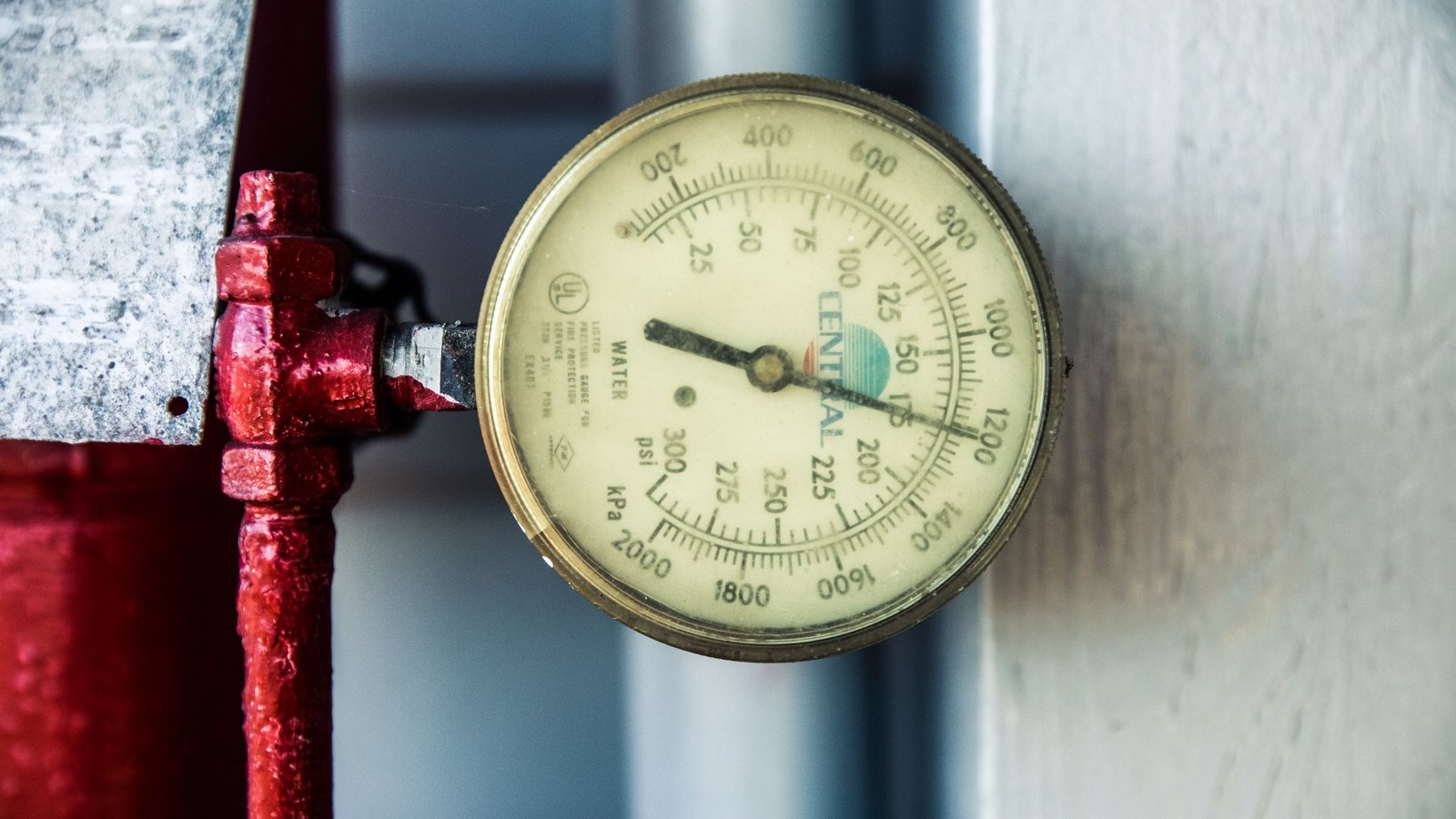
The pump pushes groundwater up through a drop pipe into the pressure tank, which stores water under air pressure. When you open a faucet, water flows from the tank. Once pressure falls to the cut-in point (often 40 psi), the pressure switch turns the pump on. The pump runs until pressure reaches cut-out (often 60 psi), then shuts off. This cycle protects the pump from constant starting and stopping and delivers steady pressure to every fixture, including water heaters and upper-floor bathrooms.
Deeper wells and multi-story homes need pumps with more head capacity and careful system design. That is why correct sizing during well pump installation matters as much as the brand of the pump itself.
Signs Your Well Water System Needs Service
Catching problems early prevents costly emergencies and days without water. These are the warning signs we tell every customer to act on:
- Pressure problems: Slow taps, a weak shower, pressure that drops when two fixtures run at once, or water that sputters and surges.
- No water or intermittent supply: Dry taps, water cutting in and out, or a breaker that trips when the pump starts. These usually point to an electrical fault or a failing pump that needs well pump repair.
- Visible and taste clues: Cloudy, sandy, or brown water, air bubbles, a metallic or rotten-egg smell, or any sudden change in taste. These can indicate iron, hardness minerals, bacteria, or equipment failure, and they call for water testing.
- Equipment noise: A clunking pressure tank, rapid on-off cycling, a pump that never shuts off, or vibration in the pipes. These are signs the tank or pump needs attention. See our pressure tank services.
If you see any of these, schedule a professional inspection rather than attempting a DIY repair that could introduce bacteria into the well or damage the system. Book a free quote and we will diagnose the actual cause.
Core Well Water System Services We Provide
A qualified well company should handle every part of your system, from troubleshooting to complete upgrades. Here is what that looks like at Housatonic Valley Well Pump.
Well pump repair: Diagnosing electrical faults, replacing worn components, clearing blockages, and repairing or adjusting pressure switches on pumps at any depth.
Well pump replacement and installation: Sizing the pump for well depth and household demand, choosing between submersible, jet, or constant-pressure equipment, and making safe electrical connections.
Pressure tank service: Checking the air charge, inspecting the bladder, correcting rapid cycling, and replacing aging tanks before they fail and take the pump with them.
Well inspections: Documenting water level, flow rate, and system pressure, and inspecting the wellhead, wiring, and tank. A written inspection report is especially valuable for real estate transactions in New Milford, Danbury, and surrounding towns where most homes are on private wells.
Water treatment: Testing for bacteria, heavy metals, and minerals, then matching the right equipment to the result. Water softeners remove calcium and magnesium. Iron filtration systems stop orange and brown staining. Reverse osmosis and dedicated arsenic removal handle dissolved contaminants in drinking water. UV systems provide chemical-free disinfection, and shock chlorination disinfects the well and plumbing if bacteria are detected.
Emergency service: Sudden pump failure, loss of water, frozen lines, or severe pressure drops during a winter cold snap or summer drought. We answer 24 hours a day, seven days a week.
Maintenance Schedule for a Long-Lasting Well System
Routine maintenance catches failing pumps, tired pressure tanks, and leaking pipes before they turn into a no-water weekend. It also avoids unnecessary replacements and keeps the system running efficiently.
Annual checklist
- Professional well inspection: wellhead, wiring, tank, and pump performance
- Pressure tank check: air charge and bladder integrity
- Pressure switch test for correct cut-in and cut-out settings
- Basic water chemistry test: pH, hardness, iron, and total dissolved solids
Our well system maintenance plans cover this checklist on a schedule so you do not have to remember it.
Water testing schedule
- The CDC recommends testing well water annually for bacteria, nitrates, and core chemistry.
- Run a comprehensive panel every three to five years that includes arsenic, lead, manganese, and minerals. Arsenic and manganese are known concerns in parts of western Connecticut bedrock.
- Test more often if your well is near a septic system, farmland, or a flood-prone area, or if you have infants or immune-compromised family members in the home.
- If a test reveals bacteria, shock chlorination followed by a retest clears the system. Ongoing problems usually call for a UV system.
Schedule a water test and we will keep your results on file so you can see changes year over year.
Visual inspections you can do yourself
Look at your wellhead a few times a year. Check for cracks, loose seals, standing water or wet soil around the casing, and keep the area clear of chemicals, fertilizer, and debris. Anything that looks off is worth a call.
Replacement timelines
| Component | Expected life | Key factor |
|---|---|---|
| Pressure tank | 5–20 years | Water quality, bladder type |
| Submersible pump | 10–15 years | Sediment, cycling frequency |
| Jet pump | 5–10 years | Depth, water chemistry |
| Well casing | 30–50+ years | Construction quality |
Seasonal care
Winterize exposed plumbing before the first hard freeze, watch water levels during dry summers, and schedule a system check after major storms or power surges. Keep a simple log of test results, service visits, and repairs. When we service a system with a history on file, diagnosis is faster and cheaper.
Planning a pump or tank replacement? Financing options are available for larger jobs. Ask about it when you request your free quote.
Choosing a Professional Well Water System Service Provider
Inexperienced or unlicensed work on a private well risks contamination, code violations, and expensive damage. Here is what to look for and what to ask.
What to look for
- State licensing for pump installation and repair, plus proof of liability insurance
- Years of hands-on experience with residential wells and local ground conditions. Water tables, mineral content, and common problems differ from Ridgefield to Litchfield, and a local company knows the difference. See our full service area.
- A track record you can verify. Read our customer reviews.
Questions to ask
- Do you offer 24/7 emergency response, full-system inspections, pressure tank testing, and water treatment design?
- Can the same team handle both pump repair and a complete pump installation?
- What warranties come with parts and labor?
- Will I get a written, itemized estimate with no hidden fees?
Expect clear written estimates, straightforward explanations of equipment options, and realistic timelines. The goal is a company that can support your entire well system over its life, from today’s repair through future upgrades, not a one-time fix. That is how we have operated for 20+ years: do it the right way the first time, and never sell equipment a customer does not need.
Need service in your town? Start here: Brookfield, Danbury, New Milford, Newtown, Ridgefield, Southbury, Litchfield, and Wolcott.
Frequently Asked Questions About Well Water System Service
How often should I have my well water tested and my system inspected?
Test at least once a year for bacteria and nitrates. Every three to five years, run a broader panel covering hardness, iron, manganese, arsenic, and other regional contaminants. Schedule a complete system inspection every one to two years, or right away if you notice changes in pressure, water quality, or pump and tank behavior.
Can low water pressure be fixed without replacing the well pump?
Often, yes. Low pressure can come from a waterlogged pressure tank, a partially closed valve, a clogged filter or softener, or a misadjusted pressure switch. We measure flow, check the tank, and test the electrical components before recommending anything as significant as a new well pump.
Is it safe to repair my own well pump or pressure tank?
You can inspect the wellhead and watch your gauges, but pump repair, wiring, and tank replacement involve 240-volt power, heavy equipment, and contamination risk. DIY mistakes can damage the system, introduce bacteria into your water supply, void warranties, and violate local codes. Leave that work to a licensed professional.
How long should a well pump and pressure tank last with proper service?
Submersible pumps typically last 10 to 15 years depending on water quality, usage, and maintenance. Pressure tanks last roughly 5 to 20 years depending on design, water chemistry, and installation quality. Routine inspections, correct pressure settings, and timely treatment for corrosive or mineral-heavy water extend the life of both.
Will adding water treatment affect my water pressure?
Sediment filters, iron filters, and softeners can reduce pressure if they are undersized, clogged, or installed incorrectly. A properly designed system maintains comfortable pressure throughout the home. If you are planning treatment upgrades, we evaluate the existing pump and tank at the same time so the whole system is sized correctly. Learn more about our water treatment services.
Do you offer financing?
Yes. Financing options are available for pump replacement, pressure tanks, and whole-home treatment systems.
Keep Your Well System Running Right
Whether you need an emergency repair, an annual inspection, or a treatment system that finally fixes the staining and odor, Housatonic Valley Well Pump Services is ready to help. Free quotes, no hidden fees, 24/7 availability, and more than 20 years serving Litchfield County and upper Fairfield County.
Request your free quote or call (203) 300-2148.