


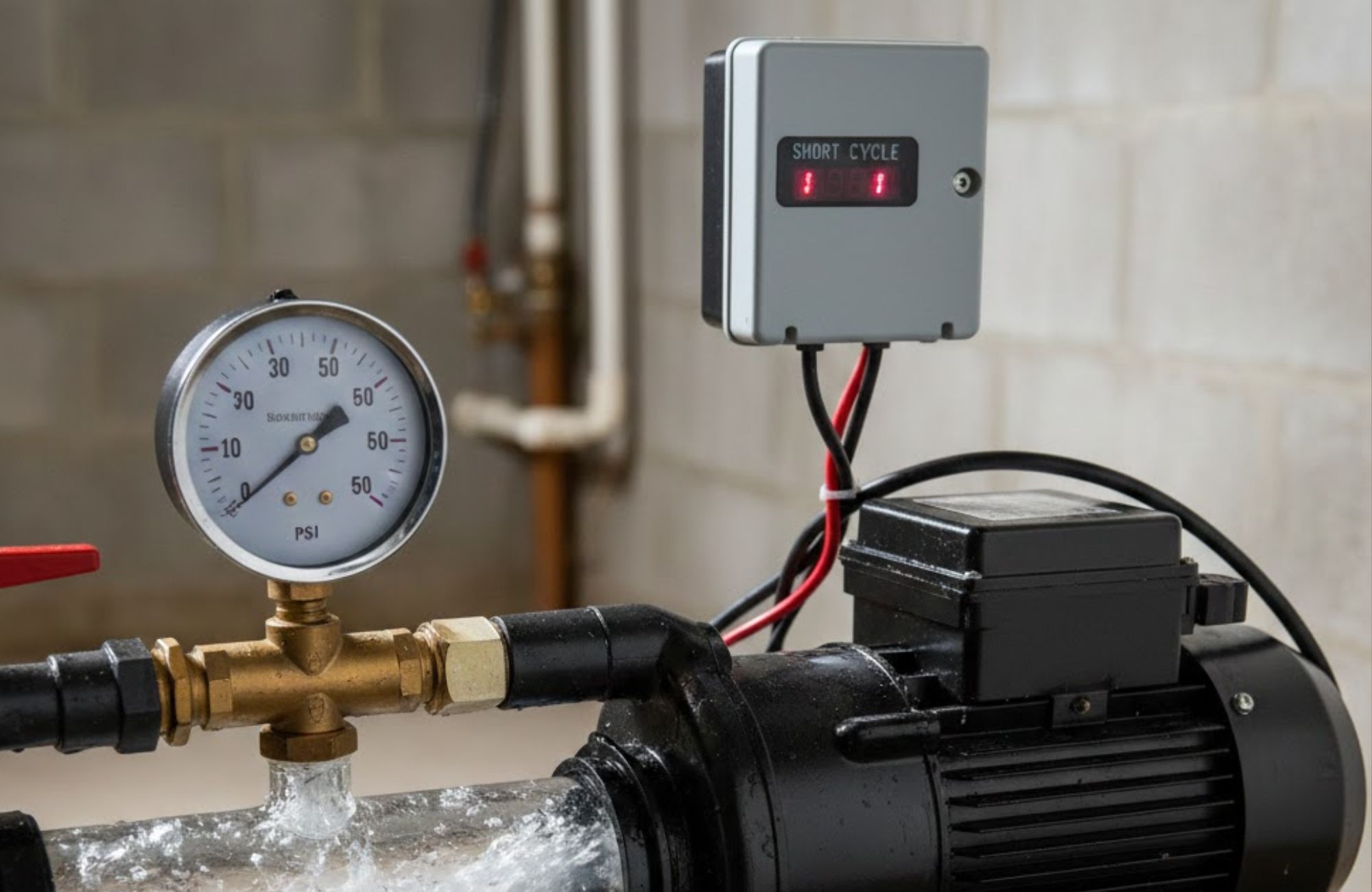
If you rely on a well pump for your water supply, consistent water pressure and flow are essential for a smooth, efficient system. However, many homeowners in New Milford, Brookfield, and Danbury face a common issue: short cycling. This occurs when your well pump turns on and off too frequently without completing its full cycle, leading to fluctuating water pressure and increased wear on your system. If you’re asking yourself, “Why does my well pump short cycle?” you’re likely experiencing one of several issues that are relatively easy to address.
In this guide, we’ll explain the most common causes of short cycling in well pumps, why it happens, and how to resolve it. Whether it’s an issue with your pressure tank, a faulty pressure switch, or air pressure problems, we’ve got the solutions to help you maintain your system and prevent costly repairs down the line. Read on to learn more about the symptoms of short cycling and what you can do to get your well pump back to normal operation.
What Is Well Pump Short Cycling?
Well pump short cycling is when the pump motor turns on and off rapidly without completing its cycle. This can be frustrating for homeowners, especially when it leads to fluctuating water pressure. Typically, well pumps should only cycle once the system pressure drops below a set threshold and should run until the pressure tank is filled. However, if short cycling occurs, the pump struggles to store adequate tank pressure, and it repeatedly kicks on and off.
Several factors can trigger short cycling in your well system. Issues like pressure tank problems, incorrect pump size, and faulty components can all contribute to this issue, leading to excessive wear on your pump motor, increased energy consumption, and higher repair costs.
Key Symptoms of Well Pump Short Cycling:
- Fluctuating water pressure from taps and fixtures.
- Excessive cycling sounds or rapid pump starts.
- Frequent on-and-off switching of the pump.
- Pump struggles to maintain water flow or pressure.
If you notice any of these symptoms, it’s time to inspect your well system for potential issues.
Common Causes of Well Pump Short Cycling
Several factors could be at play when your well pump is short cycling. Let’s go over the most common causes and explain why each one can trigger this issue.
1. Pressure Tank Problems
The pressure tank in your system plays a crucial role in maintaining steady water pressure. If the air pressure inside the tank is too low or if the tank becomes waterlogged, the system may struggle to maintain proper tank pressure. This leads to the pump turning on and off more frequently than necessary. The pump will work harder to store pressure, causing it to cycle rapidly and lead to wear and tear.
Signs of Pressure Tank Issues:
- Fluctuating water pressure.
- Pump kicks on and off frequently.
- Waterlogged tank, where air pressure drops.
2. Faulty Pressure Switch
The pressure switch regulates when the pump turns on and off. If the pressure switch is faulty, it may not register the proper cut-in pressure, causing the pump to start too early or stop prematurely. This can cause the system’s pressure tank to fill too quickly or too slowly, leading to excessive cycling.
Common Pressure Switch Issues:
- Incorrect cut-in pressure settings.
- Pressure switch issues where the switch gets stuck or fails to signal properly.
3. Leaky Pipes or Plumbing System
Even small leaks in the system can trigger short cycling. When water leaks from pipes or fittings, the well pump will need to turn on more often to compensate for the lost water usage. These small leaks may go unnoticed but can lead to significant problems if not addressed.
Signs of Plumbing Leaks:
- Drop in water pressure or weak water flow.
- Small leaks in the plumbing system that are hard to detect.
- Excessive cycling due to pressure loss.
4. Incorrect Pump Size
Having the wrong-sized well pump for your system can lead to short cycling. If the pump is too large (producing too much pressure), it will cycle quickly, turning on and off before the system can store pressure. If the pump is too small, it won’t produce enough pressure, causing it to cycle repeatedly. An oversized pump can block water flow and lead to rapid cycling.
Effects of an Oversized Pump:
- The pump shuts off before reaching the required pressure.
- Excessive cycling that increases the load on the system.
- Fluctuating water pressure that’s difficult to stabilize.
5. Low Water Levels
In areas like New Milford, where water levels fluctuate based on seasonal changes, low water levels can cause the well pump to work harder to draw water. This can trigger short cycling as the system can’t build enough pressure before the pump starts cycling again. During drier months, the water table may drop, forcing your system to work harder than usual.
Effects of Low Water Levels:
- Pump struggles to maintain system pressure.
- Water flow may decrease significantly.
- The pump kicks on too often, trying to compensate for low water levels.
Consequences of Well Pump Short Cycling
While short cycling may seem like a minor inconvenience, it can have long-term consequences on your well pump system.
1. Increased Energy Consumption
Every time the pump motor starts up, it consumes energy. Short cycling forces the pump to run more frequently, which significantly increases your energy usage. Over time, this added load can result in higher utility bills.
2. Wear and Tear on the Pump
As the pump is repeatedly turned on and off, it undergoes increased wear and tear. Excessive cycling can damage the pump motor and electrical components, leading to costly repairs or the need for a complete system replacement.
3. Decreased Water Pressure
Frequent cycling can lead to fluctuating water pressure, making it difficult to use multiple water fixtures at once. This inconsistency in pressure can be especially frustrating when you rely on water for daily activities like showers and washing dishes.
4. Complete System Failure
If short cycling is left unchecked, it can cause total system failure. The pump may burn out or become severely damaged due to excessive cycling, requiring costly repairs or even a complete replacement of the well system.
How to Fix Well Pump Short Cycling
If your well pump is short-cycling, it’s important to address the root cause quickly. Here’s how to fix it:
1. Check the Pressure Tank
Start by inspecting the pressure tank. If the air pressure is too low, use a tire gauge to check it. You may need to add air using an air compressor or pump. If the tank’s capacity is insufficient, you may need to replace it with a newer bladder-style tank that can store more pressure.
2. Replace or Adjust the Pressure Switch
If the pressure switch is malfunctioning or out of adjustment, it may need to be replaced or calibrated. A qualified technician can ensure that the switch triggers at the correct cut-in pressure, preventing the pump from starting and stopping prematurely.
3. Fix Plumbing Leaks
Inspect your plumbing system for any leaks. Even small leaks can cause water pressure to drop, triggering short cycling. Repair any leaks promptly to maintain consistent water flow.
4. Upgrade Pump Size
If the pump is too large or small, consider replacing it with one that’s the correct size for your system’s needs. An appropriately sized pump will ensure constant pressure and reduce the frequency of short cycling.
5. Improve Water Levels
In areas where the water table fluctuates, consider installing a constant-pressure system. These systems help maintain stable water pressure even when water levels drop.
Preventing Well Pump Short Cycling
Preventing well pump short cycling is all about regular maintenance and keeping your system in optimal condition. Here are a few steps to prevent future issues:
- Annual Inspections: Schedule regular inspections with Housatonic Valley Well Pump Services to ensure that your pressure tank, pressure switch, and pump are functioning properly.
- Proper System Sizing: Ensure that your pump and pressure tank are the correct size for your system’s demands.
- Water Treatment Solutions: In New Milford, consider installing water treatment systems to reduce issues like iron and sulfur that can affect the performance of your well pump.
Conclusion
Well pump short cycling is a common issue that can cause significant damage to your system if left unchecked. From fluctuating water pressure to increased energy bills and potential system failure, addressing the root cause of short cycling is essential to maintaining the efficiency and longevity of your well pump. By understanding the causes, such as pressure tank problems, faulty pressure switches, and waterlogged tanks, you can take the necessary steps to fix the issue and avoid costly repairs. Regular maintenance and timely interventions will ensure your system runs smoothly and efficiently.
Housatonic Valley Well Pump Services is here to help. Our experienced technicians provide expert solutions to prevent short cycling and keep your well system in optimal condition. Contact us today to schedule your free consultation or emergency well inspection. Contact us now for fast, reliable service in New Milford, CT, and surrounding areas.
FAQs
How Do I Stop My Well Pump from Short Cycling?
To stop short cycling, check your pressure tank for waterlogging and adjust the air pressure. You may need to replace a faulty pressure switch or fix any plumbing leaks. Regular maintenance is key to preventing this issue.
What Is the Most Common Cause of Short Cycling?
The most common cause of short cycling is a waterlogged pressure tank. When the air pressure inside the tank is too low, it prevents the system from building up adequate pressure, causing the pump to cycle excessively.
How Often Should My Well Pump Cycle Be On and Off?
Your well pump should cycle based on your household water demand. Typically, it should cycle every few minutes when drawing water but shouldn’t turn on and off constantly. Consistent cycling can indicate an issue.
How Do You Fix Short Cycling?
To fix short cycling, start by checking the pressure tank and adjusting the air pressure. Replace any faulty pressure switches and repair any plumbing leaks. If the problem persists, consult a professional to assess your system.