


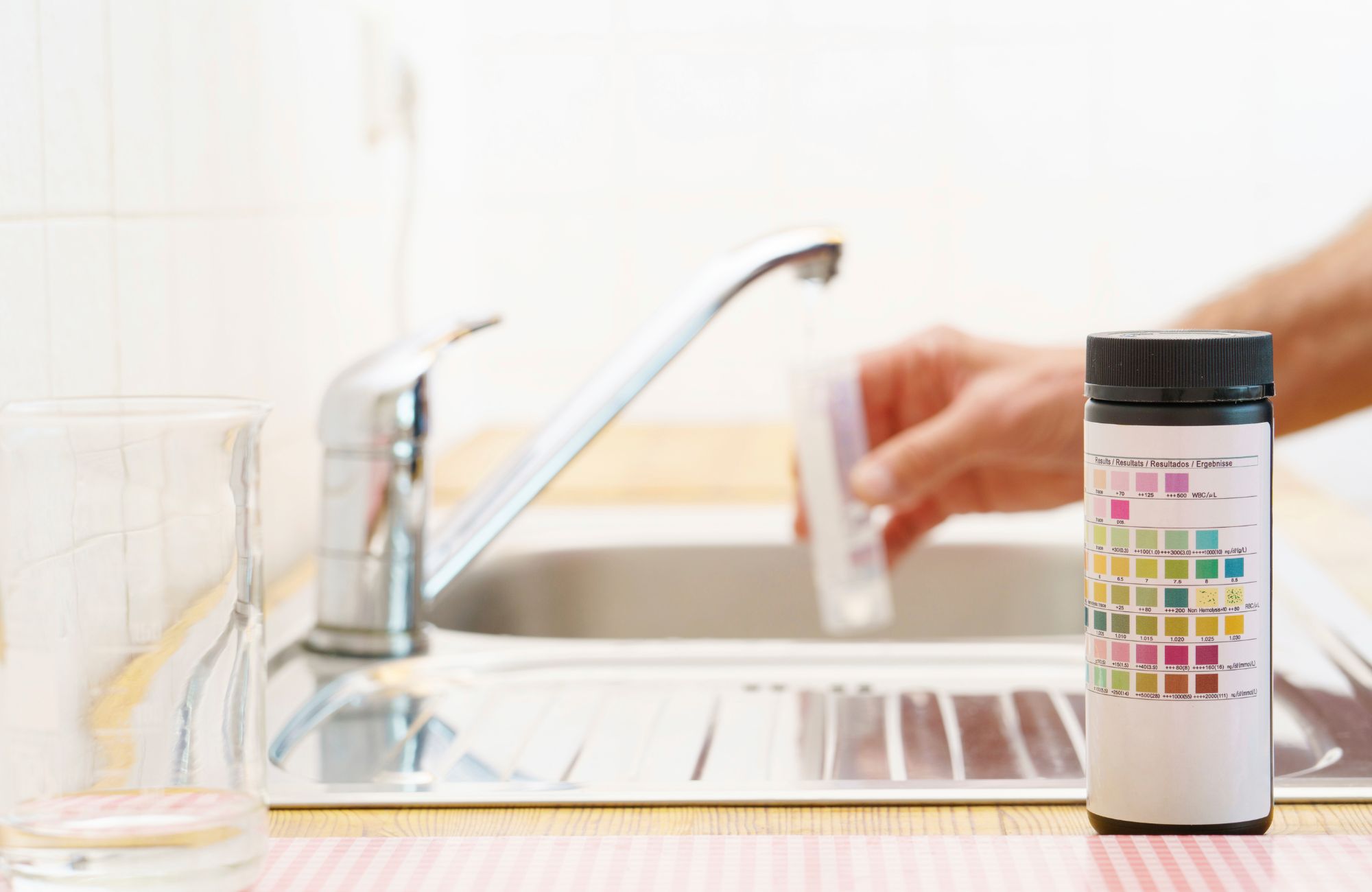
Clean-looking water does not always mean safe water. What is considered safe drinking water depends on clear health standards, proper treatment, and regular testing to ensure harmful germs and toxic chemicals stay below federal limits. Drinking water quality directly affects human health, especially for children, pregnant women, and people with weaker immune systems.
Safe drinking water plays a crucial role in public health. It supports normal body functions like carrying oxygen, protecting the nervous system, and supporting child development. Unsafe drinking water, on the other hand, increases the risk of disease, long-term health issues, and exposure to chemical contamination.
If you are unsure whether your tap water or well water meets drinking water standards, professional water testing and treatment services can help identify risks and recommend the right solution for your water supply.
Key Takeaways
- Safe drinking water meets health-based drinking water quality standards set by regulators like the US EPA and is free from harmful contaminants.
- Public water systems and private wells follow different safety rules, testing requirements, and responsibilities.
- The only way to confirm water safety is through official water quality reports or certified water testing, not appearance or taste.
What Is Considered Safe Drinking Water?
Safe drinking water is water that meets health-based drinking water standards for bacteria, viruses, and chemicals, comes from protected water sources, and is properly treated and monitored for long-term consumption.
Water is considered safe when it does not contain contaminants at levels that pose health risks. These standards are designed to protect the global population, especially vulnerable groups such as children, pregnant women, and people with compromised immune systems. Drinking water standards focus on both short-term illness prevention and reducing long-term risks like cancer risk, thyroid problems, or reproductive system damage.
In practical terms, safe drinking water must
- Be free from disease-causing microorganisms
- Stay below federal limits for chemicals like lead, nitrates, and PFAS chemicals
- Come from improved water sources that are protected and disinfected
- Be tested and monitored regularly
Organizations such as the Environmental Protection Agency and the World Health Organization guide water suppliers and public water systems on how to protect public health.
How Drinking Water Becomes Unsafe
Drinking water becomes unsafe when it is contaminated by germs, chemicals, or heavy metals due to pollution, failing infrastructure, or inadequate water treatment. Contamination can occur at many points, from groundwater sources to household plumbing. Even treated water can become unsafe if pipes corrode or water systems are poorly maintained. Unsafe drinking water is a major contributor to public health issues worldwide.
Microbiological Contaminants
Microbiological contamination includes bacteria, viruses, and parasites that cause diseases such as hepatitis A and other waterborne illnesses. These organisms often come from sewage leaks, unprotected wells, or dirty water sources.
Common health effects include:
- Diarrheal disease
- Dehydration
- Increased risk of infection in children and older adults
Chemical and Heavy Metal Contaminants
Chemical contamination involves substances like lead, nitrates, PFAS chemicals, and other toxic chemicals. Long-term exposure, even at low concentrations, can damage the nervous system, affect child development, and increase cancer risk.
For example:
- Lead exposure affects brain development in children
- Nitrates can cause blue baby syndrome in infants
- PFAS chemicals are linked to immune system and thyroid problems
Environmental and Infrastructure Causes
Flooding, agricultural runoff, aging pipes, and industrial activity all increase the risk of contaminated water. Groundwater is especially vulnerable when protective barriers fail or when water disinfection systems break down. If you suspect unsafe water due to contamination risks, professional water testing services can identify the following contaminants and recommend treatment options tailored to your water source.
Public Tap Water vs Private Well Water
Public tap water is regulated and monitored, while private well water relies on the homeowner for testing and safety. Understanding this difference is critical when evaluating drinking water quality. Many people assume public water suppliers and private wells follow the same rules, but they do not.
Public Water Systems
Public water systems are regulated under the Safe Drinking Water Act. Water suppliers must treat water, monitor drinking water supplies, and provide annual water quality reports showing compliance with drinking water quality standards.
These reports explain:
- Water sources used by the local water utility
- Detected contaminants and their levels
- Any health advisories issued during the year
Private Wells
Private well water is not regulated by federal agencies. Well owners are responsible for testing groundwater and ensuring safe drinking conditions. Unprotected wells are more vulnerable to chemical contamination and bacteria, especially after heavy rain or flooding.
Testing is recommended:
- At least once per year
- After changes in water taste or odor
- After nearby construction or environmental events
If you rely on well water, working with a certified water testing provider can help protect your household from unsafe water and long-term health effects.
How to Tell If Your Drinking Water Is Safe
You can tell if your drinking water is safe by reviewing official reports, testing your water through certified labs, and responding quickly to changes in water quality. Many contaminants are invisible and odorless, so relying on water’s taste or clarity alone is not enough. Confirming safety requires verified data.
Ways to assess drinking water quality include:
- Reviewing annual reports from public water suppliers
- Testing private well water through certified laboratories
- Contacting your local water utility for recent advisories
- Monitoring changes in color, smell, or taste
Professional water testing and treatment services can help interpret results and recommend filtration or water treatment solutions when unsafe water is detected.
Does Clear Water Mean It Is Safe to Drink?
Clear water is not always safe to drink because many harmful contaminants cannot be seen, smelled, or tasted. Lead, PFAS chemicals, nitrates, and bacteria often exist in contaminated water without visible signs. Even water that looks clean and tastes fine may exceed federal limits for certain chemicals. This is why drinking water standards rely on testing and monitoring rather than appearance. Confirming water safety always requires verified data, not assumptions.
Who Is Most at Risk From Unsafe Drinking Water?
Infants, children, pregnant women, and people with weakened immune systems face a higher risk from unsafe drinking water. Their bodies are more sensitive to contaminants, even at low concentrations. Children absorb chemicals like lead more easily, which can affect brain development, behavior, and long-term learning outcomes.
Pregnant women exposed to contaminated water may experience reproductive system risks and complications linked to chemical contamination. Older adults and immunocompromised individuals are also more vulnerable to serious illness from bacteria or viruses. For households with vulnerable members, regular water testing and proper water treatment are essential to protect health.
Do Water Filters Make Drinking Water Safe?
Water filters can improve drinking water quality, but no single filter removes all contaminants. Different filters target different problems. For example, activated carbon filters improve water’s taste and remove some chemicals, while reverse osmosis systems remove a wider range of contaminants, including PFAS chemicals and heavy metals.
Choosing the right water treatment system depends on:
- The contaminants present
- Water source type
- Health risks involved
What to Do If You Suspect Your Water Is Unsafe
If you suspect unsafe drinking water, stop using it immediately for drinking and cooking, and switch to bottled water or another safe source. Next, contact your local water utility or a certified water testing provider to identify the issue. Based on results, water treatment, disinfection, or infrastructure repairs may be needed to restore safe drinking conditions. Addressing unsafe water quickly helps reduce health risks and protects long-term household safety.
Conclusion
Knowing what is considered safe drinking water requires more than trusting appearance or taste. Safe water meets strict drinking water standards, protects human health, and is verified through testing and proper water treatment. Whether you rely on public water systems or private well water, understanding risks and confirming safety is essential.
If you want confidence in your drinking water quality, professional testing and water treatment services from Housatonic Valley Well Pump Services can help identify contaminants, explain results, and recommend solutions that protect your household’s health for years to come. Contact us today to schedule your water testing and treatment services.
FAQs
What water is considered safe to drink?
Water is considered safe to drink when it meets health-based drinking water standards and is free from harmful bacteria and chemicals. It must come from protected water sources and be properly treated or tested. Regular monitoring ensures it remains safe for long-term consumption.
What is meant by safe drinking water?
Safe drinking water means water that does not pose health risks when consumed over time. It meets regulatory limits for contaminants and supports overall public health. Testing and treatment are essential parts of maintaining safety.
What is TDS and pH in water?
Total dissolved solids (TDS) measure the amount of minerals and salts in water, while pH measures acidity or alkalinity. Moderate TDS levels are not always harmful, but extreme values may indicate contamination. Balanced pH supports better taste and reduces corrosion in water systems.
Is 2L of water safe?
Drinking 2 liters of water per day is generally safe for most healthy adults if the water meets drinking water quality standards. Safety depends on water quality, not quantity. People with specific health conditions should consult healthcare providers.