


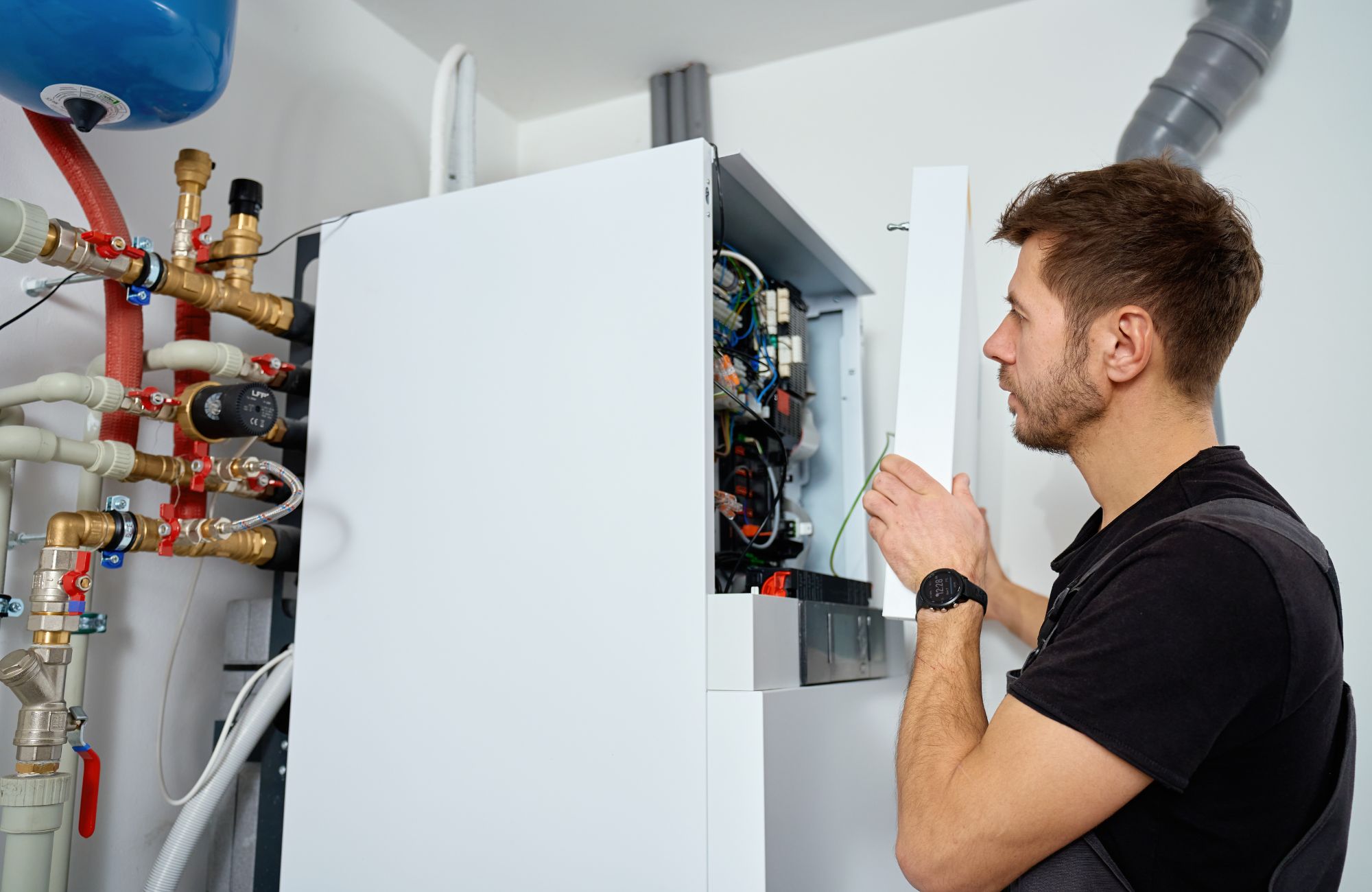
Ensuring the health and safety of your well water is critical for every homeowner, especially those with private wells. Unlike municipal water systems, private wells are the sole responsibility of the homeowner to maintain, which includes regular well system inspections. Well system inspections help identify potential issues early, ensuring your water remains clean, safe, and reliable. In Connecticut, where well water issues such as iron contamination, hard water, and bacterial concerns are common, it’s even more important to have your well inspected regularly.
If you’re in New Milford, Danbury, or Litchfield County, understanding the inspection process and how it impacts your water supply can help you make informed decisions about your well maintenance. This guide will walk you through what to expect during a well system inspection, the common issues found, and how you can ensure your water quality is safe and clean.
What Is a Well System Inspection and Why Is It Important?
A well system inspection is a comprehensive check-up for the various components that make up your well system. It’s crucial for ensuring that your water is safe to drink and that your well is functioning properly. Unlike public water systems, which are regularly monitored and tested, private well systems are solely the responsibility of the homeowner. This means that it’s up to you to ensure your well is free from contaminants and working properly.
Why Is It Important?
A well system inspection offers several benefits:
- Identifies Potential Issues Early: Catching problems like pump failure, low pressure, or bacterial contamination early can save you from costly repairs down the line.
- Ensures Safe Drinking Water: Inspections include water quality testing, which can detect harmful contaminants like E. coli, nitrates, or heavy metals.
- Maintains System Performance: A well system inspection ensures your pump, pressure tank, and other components are functioning correctly, providing you with consistent water pressure and flow.
For homeowners in Litchfield County and Danbury, where well water issues like iron and sulfur contamination are common, regular inspections are essential to protect both your family’s health and your water supply.
What Happens During a Well System Inspection?
A well system inspection involves a series of checks and tests to ensure the integrity and safety of your well. The inspection includes the following key areas:
1. Well Casing and Wellhead Check
The well casing is the protective lining around your well, and the wellhead is the top of the well where the water is accessed. Both components need to be in good condition to prevent contamination from surface water or nearby septic systems.
2. Pump and Pressure Tank Inspection
The pump is responsible for moving water from the well to your home, while the pressure tank ensures a consistent flow of water. Inspectors will check the pump’s motor, flow rate, and pressure tank condition to ensure they’re functioning properly.
3. Water Quality Testing
Water quality testing is a crucial part of the inspection process. Common tests include:
- Bacteria Testing: To detect harmful bacteria like E. coli or coliform.
- Nitrate Testing: High nitrate levels can be dangerous, particularly for infants.
- Heavy Metal Testing: Tests for contaminants like lead, arsenic, or iron.
- pH Testing: Ensuring the water’s pH balance is within the safe range to prevent corrosion or mineral buildup.
4. Well Flow Rate and Pressure Evaluation
Inspectors will measure the flow rate to ensure your well is producing enough water to meet your household’s needs. They’ll also check the water pressure to ensure that it’s consistent and sufficient.
How Often Should You Schedule a Well System Inspection?
The frequency of well system inspections depends on several factors, including the age of your well, the water quality in your area, and the presence of nearby contamination sources such as septic systems or agricultural runoff.
Recommended Frequency:
- Routine Inspections: The US Environmental Protection Agency (EPA) recommends scheduling a well system inspection at least once a year to ensure your system is functioning properly and that the water is safe to drink.
- Real Estate Transactions: If you’re buying or selling a property with a well, an inspection is essential to assess the system’s condition and ensure the water quality meets safety standards.
- After Major Weather Events: If there’s been a flood, heavy rainfall, or significant changes in the environment, it’s important to have your well inspected, as these conditions can affect water quality.
For homeowners in Danbury, Brookfield, and New Milford, areas prone to seasonal flooding or agricultural runoff, more frequent inspections may be necessary to maintain water quality.
Common Well System Issues Found During Inspections
During a well system inspection, several issues may be identified that can affect the performance and safety of your water supply. Inspectors evaluate key components such as the well pump, pressure tank, and water quality to ensure the system works properly. Over time, wear and environmental factors can cause problems that homeowners may not immediately notice. Identifying these issues early helps prevent costly repairs and ensures your home continues to receive clean, reliable water. Below are some of the most common problems found during well inspections.
1. Pump Failures
Pump failures are one of the most common problems discovered during well inspections. The well pump is responsible for moving water from underground into your home. When the pump begins to wear out, homeowners may notice reduced water pressure, inconsistent flow, or even a complete loss of water. These problems can occur due to aging mechanical parts, electrical issues, or sediment buildup inside the well. In some cases, the pump may also be undersized for the well’s depth or the household’s water demand. During an inspection, technicians check pump performance and recommend repair or replacement if necessary.
2. Pressure Tank Issues
The pressure tank helps regulate water pressure and prevents the pump from running constantly. When the tank has problems, water pressure inside the home may fluctuate or drop unexpectedly. One common issue is short cycling, where the pump turns on and off frequently because the tank cannot maintain stable pressure. This can put extra strain on the pump and reduce the lifespan of the entire well system. Pressure tank problems may be caused by a damaged bladder, incorrect air pressure, or general wear over time. Inspectors evaluate the tank to ensure it maintains proper pressure and system balance.
3. Bacterial Contamination
Bacterial contamination is another issue that may be detected during a well inspection. Because private wells are not treated like municipal water systems, bacteria can sometimes enter the water supply through groundwater or surface contamination. Common bacteria tested during inspections include coliform bacteria and E. coli. These contaminants can pose health risks if left untreated. To check for contamination, inspectors collect water samples and send them for laboratory testing. If bacteria are detected, treatment options such as shock chlorination, UV water treatment systems, or filtration systems may be recommended to ensure the water is safe.
4. Iron and Mineral Buildup
Iron and mineral buildup is a common issue in well water systems, especially in areas where groundwater contains naturally occurring minerals. High levels of iron or manganese can cause reddish or dark stains on sinks, bathtubs, and laundry. These minerals can also affect the taste and smell of water. Over time, mineral buildup may clog pipes and reduce the efficiency of plumbing fixtures and appliances. During an inspection, technicians may test the water to determine mineral levels. If concentrations are high, they may recommend solutions such as iron filters, water softeners, or whole-house filtration systems to improve water quality.
The Benefits of Regular Well System Inspections
Regular well system inspections offer several advantages:
- Early Detection of Problems: Catching issues like pump failure, low pressure, or bacterial contamination early can prevent costly repairs and health risks.
- Improved Water Quality: By identifying contaminants such as nitrates, bacteria, and heavy metals, inspections help ensure your water remains safe for drinking and use.
- Increased Lifespan of Your Well System: Regular inspections help maintain the well’s components, extending the lifespan of the pump, pressure tank, and casing.
Homeowners in Litchfield County or New Milford can greatly benefit from regular inspections to prevent unexpected system failures and maintain clean, safe water.
Conclusion
Regular well system inspections are essential for maintaining the safety, efficiency, and longevity of your well water system. These inspections help identify potential issues early, from pump failures to water contamination, ensuring your water remains clean and safe for consumption. By addressing problems promptly and keeping your system well-maintained, you can prevent costly repairs and protect your family’s health. Well system inspections are an investment in the continued reliability and quality of your water, providing peace of mind for homeowners in Connecticut.
For professional well system inspections, maintenance, and water quality testing in New Milford, CT, Housatonic Valley Well Pump Services provides expert solutions for all your well water needs. Our experienced team offers fast, reliable service to ensure your well system is functioning properly. Contact us today to get your well system inspected and maintained.
FAQs
What are the 4 types of well system inspections?
The four main types of well system inspections are routine inspections, pre‑sale inspections, post‑event inspections (after flooding or other incidents), and real estate inspections. Each type serves a different purpose, from general maintenance to ensuring safety during property transactions.
How to inspect a well system?
A well system inspection involves checking the well casing, pump, pressure tank, and water quality. Tests are conducted for contaminants like bacteria, nitrates, and heavy metals, and the well’s flow rate and pressure are evaluated.
How to check a well water system?
To check a well water system, homeowners should have an inspection that includes water quality testing, pump and pressure tank evaluation, and visual checks for potential issues such as cracks in the well casing or a malfunctioning pump.
How to test if well water is safe?
Testing well water for safety involves checking for bacteria, nitrates, heavy metals, and pH levels. Regular water testing is recommended to ensure the water is free from harmful contaminants that can affect health.