


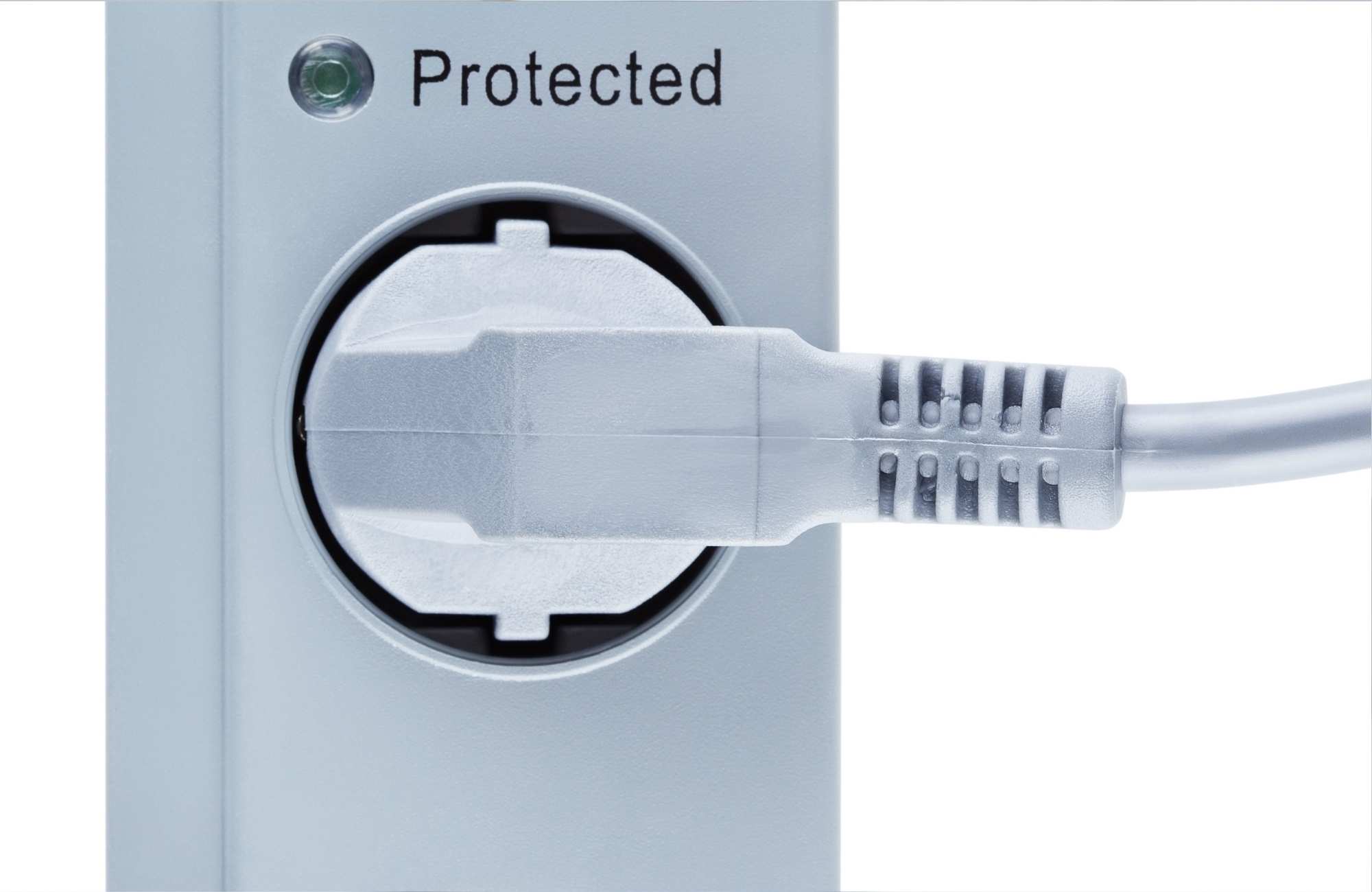
Well pump surge protection is one of the most important steps you can take to keep your water system running. A sudden spike in power can damage your well pump, control box, and other electrical systems in seconds. When that happens, your home can lose water immediately, especially after a lightning storm or power outage.
In areas like New Milford, Danbury, and Brookfield, CT, where storms and unstable power lines are common, homeowners face a higher risk of voltage surges caused by lightning or utility issues. Without proper surge protection, these events can lead to costly repairs or full pump replacement.
If your well pump stops working after a storm or power outage, Housatonic Valley Well Pump Services provides fast diagnostics and reliable well pump services, including surge protection solutions, across New Milford, CT and nearby areas. Their team helps restore your system and install protection devices that safeguard your equipment long-term.
What Is Well Pump Surge Protection?
Well pump surge protection is a system that blocks or redirects excess voltage before it damages your pump motor, control box, or electrical components. It protects your system from power surges caused by lightning, power line issues, or switching loads within electrical systems.
A well pump depends on a stable voltage to operate correctly. When voltage surges occur, excess voltage enters the system and affects sensitive components like the pressure switch, control box, and motors. These parts are not designed to withstand sudden spikes in power, which makes them vulnerable to failure.
What Causes Power Surges in Well Systems
Power surges are not rare events. Many homeowners experience small surges regularly without realizing it, and larger surges during storms can cause serious damage.
- lightning storms and nearby lightning strike activity
- utility power changes from the power line
- switching loads from appliances and grid activity
- electrical faults inside the home
Why Well Pumps Are Vulnerable
A well pump system is made up of multiple connected electrical components. The pump motor, control box, and pressure switch all rely on consistent voltage. Because these components are directly connected to your electrical panel, any surge can quickly travel through the system and cause damage.
Submersible pumps, especially single-phase systems, are even more exposed because they rely on long wiring runs underground, increasing the chance of surge transmission.
How Power Surges Damage a Well Pump
Power surges damage well pumps by forcing excess voltage through the motor and electrical components. This can burn internal wiring, damage motors, and reduce the overall performance of the system. In severe cases, the pump stops working immediately.
A well pump is designed to operate within a safe voltage range. When that range is exceeded, even briefly, the system can fail. Voltage surges can overload circuits, damage electronics, and shorten the lifespan of your equipment.
Common Damage Points
Understanding where damage occurs helps explain why surge protection is necessary. Most failures happen in the same critical areas of the system.
- pump motor burnout, which stops water flow
- control box failure, affecting system controls
- wiring damage that disrupts the power connection
- pressure switch malfunction
Why Damage Can Be Immediate or Delayed
Some surge events cause instant failure, especially after a lightning strike. Others weaken components over time, leading to delayed breakdowns. This is why many homeowners notice pump problems days after a storm, not immediately.
Can Lightning Damage a Well Pump?
Yes, lightning can damage a well pump even without a direct hit. Electrical energy from a lightning strike can travel through the ground, power lines, or nearby electrical systems and reach your pump. In Connecticut, lightning storms are a leading cause of well pump failure. Even indirect strikes can send excess voltage through the earth and into your system.
Direct vs Indirect Lightning Strikes
A direct lightning strike causes immediate and severe damage. Indirect strikes are more common and still dangerous because they send voltage surges through connected systems. These surges can travel long distances through power lines and the ground before reaching your well pump.
How Surges Travel Into Your System
Surges can enter your system through:
- power lines connected to your home
- underground wiring connected to your pump
- improper grounding systems
Without proper grounding and surge protective devices, there is nothing to stop this energy from damaging your equipment. This means even a single surge can travel directly into your system and affect critical components like the motor and control box.
Signs Your Well Pump Was Damaged by a Surge
Signs of well pump surge damage often appear right after a storm or power outage. These symptoms indicate that your system may have been affected by voltage surges and needs immediate attention. Many homeowners overlook early warning signs, which can lead to more expensive repairs later. Recognizing these issues early can help protect your system.
- No water is coming from the taps
- Sudden drop in water pressure
- Breaker keeps tripping
- Burning smell near electrical components
- Unusual noises from the pump
If you notice any of these signs, schedule a well inspection with Housatonic Valley Well Pump Services. Early diagnosis can prevent full system failure and reduce repair costs.
What To Do After a Power Surge
After a power surge, it is important to act quickly to prevent further damage. Continuing to use your well system can make the situation worse. Ignoring early signs can lead to more serious issues and costly repairs if the system fails.
The safest approach is to shut down the system and have it inspected before using it again.
- Turn off the power at the breaker
- Check your electrical panel
- Inspect for visible damage
- Avoid using water temporarily
- Call a professional for inspection
Taking these steps helps protect your equipment and ensures your system remains safe.
How to Protect Your Well Pump from Power Surges
The best way to protect your well pump is to install surge protection devices, ensure proper grounding, and maintain your system. These measures help redirect excess voltage safely away from your pump. Effective protection usually involves more than one device. A combination of solutions provides better coverage.
Surge Protection Options
- Surge protector at the electrical panel
- Surge arrestor designed for well pumps
- Whole-house surge protection system
- UL-listed surge protective devices
Importance of Proper Grounding
Proper grounding allows excess voltage to travel safely into the earth instead of damaging your system. Without grounding, even the best protection device will not function properly. A properly installed grounding system creates a direct path for excess energy, reducing the risk of damage to motors, wiring, and control components.
Routine System Maintenance
Regular maintenance ensures that your surge protection devices remain effective. Over time, these devices can wear out and need replacement. Routine inspections also help identify early signs of wear or electrical issues before they affect your system’s performance.
Surge Protection vs Pump Replacement Cost
Surge protection costs far less than replacing a well pump. Many homeowners only realize this after experiencing damage. Investing in protection upfront can save you thousands of dollars and prevent unexpected downtime in your home’s water supply.
| Option | Cost Range | Risk Level |
| Surge Protector | $100–$500 | Low |
| Surge Arrestor | $200–$800 | Lower |
| Pump Replacement | $1,500–$5,000 | High |
Investing in protection can save money and prevent unexpected system failure.
Do You Need Whole-House Surge Protection?
Whole-house surge protection provides an extra layer of safety for your electrical systems. It protects appliances, electronics, and your well pump from voltage surges. However, well pumps often require dedicated protection devices because of their unique setup. Combining whole-house protection with a surge arrestor offers the best results.
When to Call a Well Pump Professional
You should call a professional if your well pump stops working, shows signs of damage, or experiences repeated power issues. Ignoring these problems can lead to more serious damage. A professional can inspect your system, test components, and recommend the right solution. Housatonic Valley Well Pump Services offers 24/7emergency well pump service and surge protection installation in New Milford, CT, and nearby areas.
Well Pump Surge Protection in Connecticut
Well pump systems in Connecticut are more vulnerable to power surges due to frequent storms and changing utility conditions. Homes in New Milford, Danbury, Brookfield, and Litchfield County rely heavily on private wells, making surge protection essential. Working with a local expert ensures your system is designed for regional conditions and installed correctly.
Conclusion
Power surges and lightning can damage your well pump quickly, leading to water loss and costly repairs. Installing proper surge protection helps prevent these issues and keeps your system running reliably.
If you have no water after a storm or your breaker keeps tripping, don’t wait. These are early signs of surge damage. Housatonic Valley Well Pump Services can diagnose the issue and restore your system quickly. Contact us today to schedule your inspection or emergency service in New Milford, CT, and nearby areas.
FAQs
Do well pumps have surge protection?
Most well pumps do not have built-in surge protection. They require external protection devices like surge protectors or surge arrestors to prevent damage from power surges and lightning.
What is type 3 surge protection?
Type 3 surge protection is installed near equipment and provides localized protection. It works alongside main surge protective devices to reduce smaller voltage spikes.
How to protect a well pump from lightning?
Install surge protection devices, use proper grounding, and add a surge arrestor. These steps redirect excess voltage safely away from your system.
What is surge protection and how does it work?
Surge protection detects excess voltage and redirects it into the ground. This prevents damage to motors, electronics, and other connected components.