


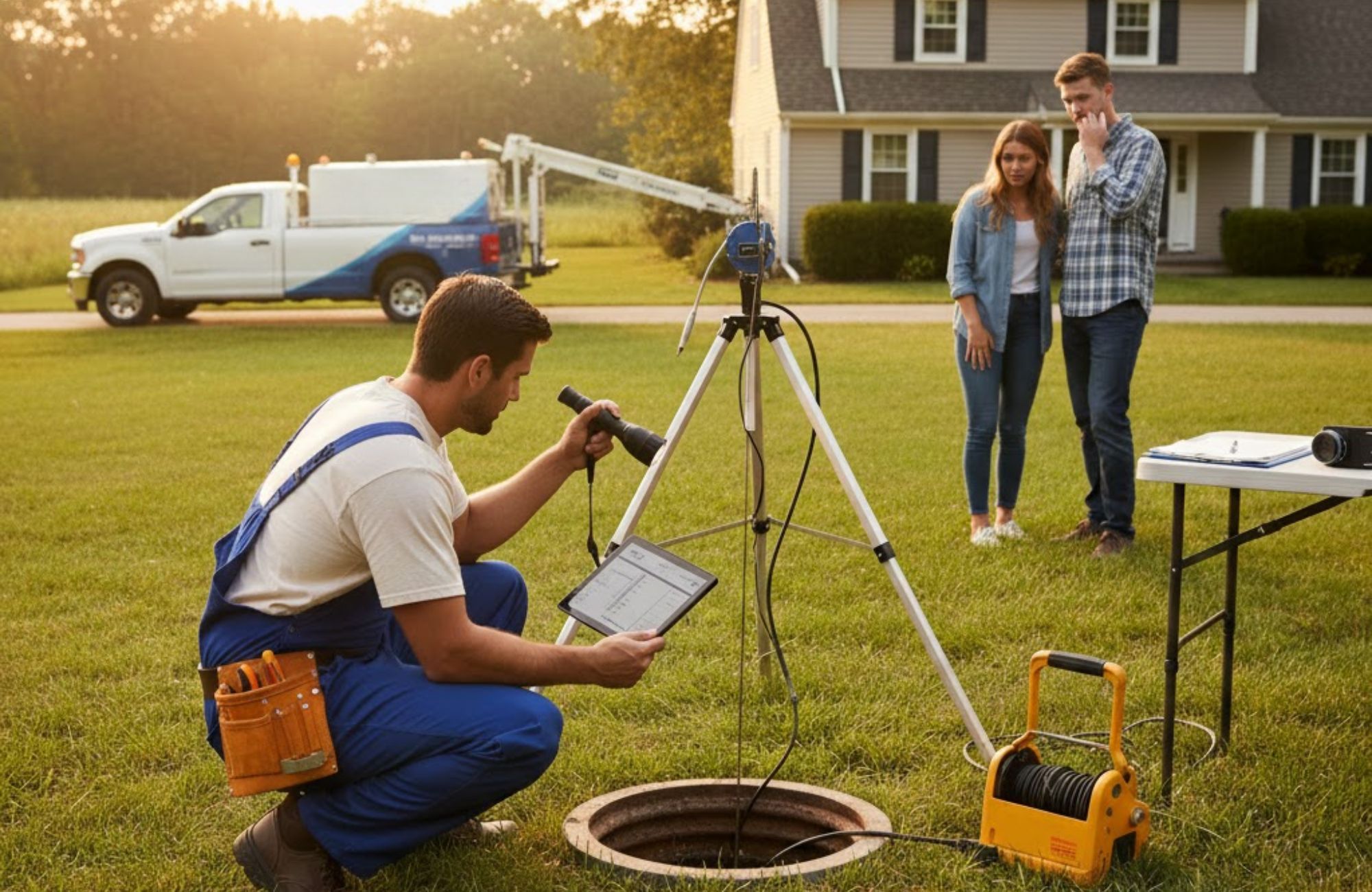
When you are buying a house in Connecticut with a private well, one of the most important parts of your due diligence is a well inspection for home purchase. Your well is the home’s only water source, and the condition of that well system directly affects water quality, long-term maintenance costs, and the safety of your household. A detailed evaluation gives you clarity about the well’s mechanical components, the water testing results, and whether the system can supply enough water for everyday use.
Many buyers assume a standard home inspection includes the well, but a private well requires its own specialized assessment. This is the stage where Housatonic Valley Well Pump Services plays an important role in helping buyers understand the condition of the system before finalizing a real estate transaction.
A professional inspection protects your investment, helps you negotiate confidently, and ensures your future drinking water meets safety standards. For properties in Connecticut towns such as New Milford, Danbury, Brookfield, and surrounding areas, a well inspection is essential for making fully informed decisions.
What Is a Well Inspection?
A well inspection is an evaluation of a home’s private well and the entire water system. It helps buyers understand the condition of the well before moving forward. Inspectors check the system to confirm it can provide safe water and consistent performance for the household. This evaluation supports informed decisions during the home buying process.
A well inspection also identifies issues that may not appear during a standard home inspection. It reviews both the structure of the well and the elements that affect water flow. The inspection helps buyers avoid unexpected repairs and potential water quality problems. It also confirms whether the system meets local health department standards.
What a Well Inspection Includes
A well inspection begins with a visual inspection of the well structure and the surrounding area. The inspector checks the casing, the well cap, and the well’s depth. The goal is to confirm proper construction and identify conditions that may cause contamination. Nearby risks, such as septic systems or surface runoff, are also reviewed.
The inspector then evaluates the system’s mechanical components. These include the submersible pump, jet pump, pressure tank, holding tank, and electrical controls. Flow tests measure how much water the system delivers and how steady the water pressure remains. Water samples are collected to check for E coli, coliform bacteria, heavy metals, mineral content, and pH levels. The buyer receives a detailed report that explains findings and recommended repairs.
Why You Should Get a Well Inspection Before Buying a Home
A well inspection is an essential part of home buying for anyone considering a property with a private well. Unlike public water systems, a private well is not regulated by government agencies. The responsibility for water quality and performance falls entirely on the homeowner. Without an inspection, many buyers unknowingly inherit problems that only become visible after moving in.
A well inspection allows buyers to evaluate water quality, ensure the system meets safety standards, and understand the age and condition of the well’s mechanical components. It also verifies that the existing well complies with local requirements and that no potential health risks are present. Reviewing maintenance records during the inspection is an important step in determining whether the well has been serviced regularly or if lapses in care could lead to expensive repairs.
A real estate agent will often recommend a well inspection to protect the buyer and support negotiations. If issues appear in the inspection report, such as contamination, declining flow rate, or mechanical issues, buyers may request repairs or price adjustments before completing the transaction.
Common Problems Found During Well Inspections
A professional well inspector frequently identifies issues that would not be visible during a standard home inspection. Understanding these problems helps buyers anticipate future expenses and the overall condition of the system. Before listing the common findings, it is important to understand why these issues matter. Problems with private well water can come from structural weaknesses, contamination, aging pumps, or environmental changes. Each of these issues may affect water quality and long-term system performance.
Common well problems include
- Contamination from harmful bacteria including E coli and coliform bacteria. These contaminants often enter through cracks in the casing, an unsecured well cap, or poor drainage around the well. Contamination presents potential health risks and must be addressed immediately.
- Low flow rate or failing flow test. When the well’s performance declines, the household may not receive enough water. This issue can occur due to sediment buildup, pump problems, or changes in the water table.
- Mechanical issues with the pump and pressure components. If the pump draws water slowly, cycles frequently, or produces inconsistent water pressure, it may be failing. Problems with the pressure tank can also lead to unreliable water delivery.
- High mineral content, including iron, manganese, or sulfur. These minerals stain fixtures, cause odors, and may damage plumbing over time. Connecticut properties often require additional water treatment due to natural mineral levels.
- Heavy metals or other contaminants in water test results. Detection of lead, arsenic, or nitrates requires immediate corrective action and may influence whether the buyer proceeds with the purchase.
- Incomplete maintenance history. If maintenance records are missing, there is no clear documentation of inspections, repairs, or treatment updates, making it harder for buyers to predict future issues.
Understanding these problems early in the buying process helps buyers decide whether to move forward, request repairs, or negotiate a new purchase price.
How Much Does a Well Inspection Cost?
The cost of a well inspection in Connecticut typically ranges from 250 to 550 dollars. This covers the visual inspection, evaluation of the well’s depth and structure, testing of the mechanical components, and the flow rate test. The inspection cost may increase if additional tests are needed to check for heavy metals, pesticides, radon, or advanced microbiological concerns.
Although some buyers hesitate at the initial cost, a thorough well inspection often prevents thousands of dollars in unexpected repairs. With private wells, issues such as pump failures, low water pressure, or contamination can escalate quickly if undetected. A small upfront investment ensures you understand the condition of the system before committing to the property.
What to Expect During a Well Inspection
A well inspection follows a structured process that helps buyers understand the condition of the well system. It evaluates physical components and confirms the safety of the household’s water. This overview helps buyers feel prepared and confident during the inspection. It also supports informed decisions during the home buying process.
The inspection reviews the well structure and the elements that affect water delivery. It checks whether the system meets local health guidelines and operates safely. Buyers gain clear insight into the system’s reliability. They also understand any issues that may affect future repairs or performance.
How Inspectors Review the Well System
The inspector begins with a visual inspection of the well structure. They examine the casing, the well cap, and the surrounding soil. This helps identify risks from runoff, pests, or nearby septic systems. The inspector also checks for corrosion, leaks, or improper sealing.
The inspector then evaluates the pump, pressure components, and related equipment. They confirm how effectively the pump draws water and whether the pressure tank is properly sized. A flow rate test measures the system’s water output and pressure stability. Water samples are collected and tested for contaminants, pH levels, mineral content, and heavy metals. After testing, the buyer receives a detailed report with findings and recommended repairs.
How Often Should a Well Be Inspected?
According to the Centers for Disease Control and Prevention (CDC), a well should be inspected annually to ensure that the system remains safe and functional. Over time, environmental changes, soil shifts, mineral buildup, and aging equipment can affect the well’s performance. Annual testing is the best way to detect early signs of contamination, pressure issues, or pump failures.
Homeowners should also schedule an inspection after severe storms, flooding, droughts, or any event that could affect the groundwater. If you notice changes in water taste, color, odor, or water pressure, an inspection should be performed immediately. Regular maintenance helps protect your water supply and reduces the risk of unexpected repairs.
The Risks of Skipping a Well Inspection
Skipping a well inspection during home buying exposes buyers to significant risks. A hidden contamination issue, a failing pump, or a poorly maintained well structure can lead to expensive repairs soon after moving in. Without an inspection, buyers also miss the opportunity to negotiate repairs or request adjustments before closing.
Some of the most serious risks include undetected contamination, declining flow rate, structural damage inside the well, pump failure, and noncompliance with safety standards. Each of these problems affects the health, safety, and value of the property.
Scheduling a well inspection is a critical part of due diligence. It protects your family, your investment, and your future home.
Conclusion
A well inspection for home purchase is one of the most important steps a Connecticut homebuyer can take to protect their investment. It confirms the safety of the water supply, evaluates the system’s performance, and identifies any repairs that may be needed before finalizing the sale. A thorough inspection also ensures that the well meets the required safety standards and provides the household with reliable drinking water for years to come.
For homebuyers in New Milford, Danbury, Brookfield, and nearby areas, Housatonic Valley Well Pump Services provides expert well inspections and clear, detailed reports to support confident decision-making. By taking this essential step, you can move forward in the real estate process with peace of mind and a complete understanding of the home’s water system. Schedule your well inspection today and move into your new home knowing your water system is safe and ready for long term use.
FAQs
Is a well inspection required?
A well inspection is not legally required, but it is strongly recommended when purchasing a property with a private well. A standard home inspection does not evaluate water quality or mechanical performance. A well inspection ensures the water is potable and the system meets safety standards before you complete the transaction.
What is the biggest red flag in a home inspection?
The biggest red flag during a well inspection is contamination, especially the presence of E coli or coliform bacteria. These findings signal that the well is vulnerable to environmental intrusion, structural issues, or improper sealing. Immediate corrective action is required to protect your household’s water supply.
What is the most common problem with well water?
The most common issue with well water is high mineral content, which may include iron, sulfur, or manganese. These minerals discolor fixtures, produce unpleasant odors, and may damage plumbing. Contamination from bacteria or heavy metals is also common, especially in older wells or systems that lack routine maintenance.
What is involved in a well test?
A well test includes a flow rate test, evaluation of pump and pressure components, water testing for contaminants, and a visual inspection of the well structure. The goal is to confirm that the well produces enough water, meets quality standards, and provides safe drinking water. The results guide buyers in making informed decisions during the home buying process.