


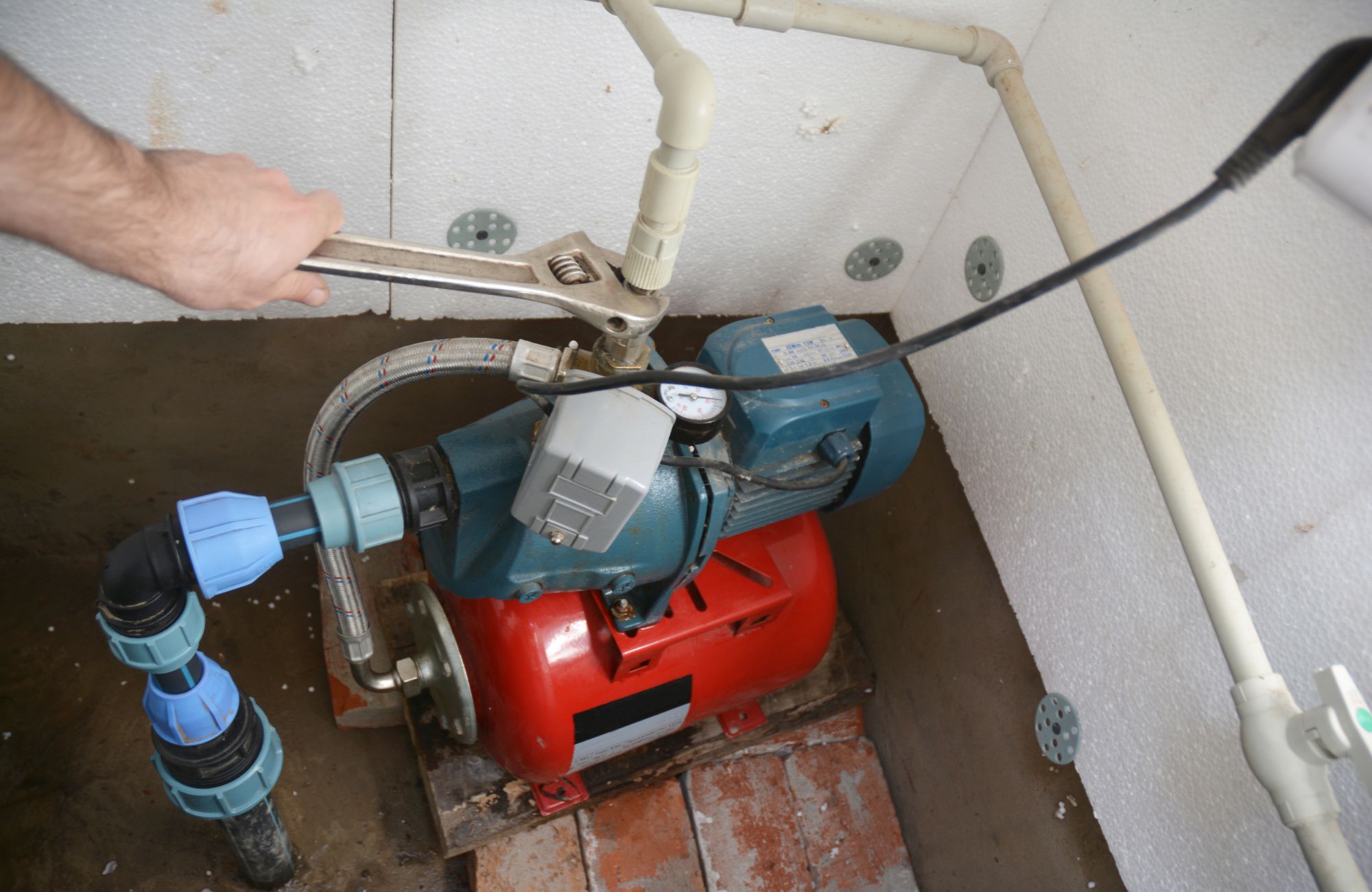
Understanding water well pump electrical requirements is one of the most important parts of keeping your water system running safely and reliably. If your well pump suddenly stops working, keeps tripping the breaker, or loses pressure, the issue is often tied to the electrical system behind it. Many homeowners in New Milford, CT, Danbury, and Brookfield deal with these problems without realizing that voltage, amperage, and circuit setup play a major role.
A well pump is not just a mechanical device. It relies on proper electrical supply, correct breaker size, stable voltage, and a functioning pressure tank system to operate efficiently. The pressure tank helps maintain steady water pressure and reduces strain on the pump. When any of these components are off, the entire system can be affected, leading to water supply issues or inconsistent performance.
What Are Water Well Pump Electrical Requirements
Water well pump electrical requirements refer to the voltage, amperage, wiring, and circuit protection needed to operate your system safely. Most residential systems use either 120 volts or 240 volts, along with a properly sized circuit breaker and dedicated wiring to handle the electrical load.
Every well pump system includes several electrical components working together. These include the motor, pressure switch, control box, and circuit panel. If any part of this electrical system is undersized or worn out, the pump may fail to operate, lose efficiency, or cause electrical hazards. This is why proper installation and regular inspection are critical, especially for homes relying on submersible well pump systems.
Below is a simple breakdown of common electrical requirements:
| Component | Typical Requirement |
| Voltage | 120V or 240V |
| Amperage | 5–20+ amps |
| Circuit Breaker | 15–40 amps |
| Wiring | Heavy-duty cables with proper grounding |
| Power Source | Dedicated circuit |
These values vary depending on pump size, depth, and water demand. Deep wells and larger homes often require more power to maintain consistent pressure and flow.
How Many Amps Does a Well Pump Use
Most well pumps use between 5 and 15 running amps, depending on horsepower, depth, and system design. However, startup amperage is much higher, often reaching two to three times the running load, which can cause breaker tripping if the system is not properly configured.
A submersible pump motor draws more power when it starts than when it runs steadily. This surge is known as load current, and it is one of the most common reasons homeowners experience electrical issues. If the circuit breaker size is too small or the wiring cannot handle the surge, the breaker may trip repeatedly.
Here is a general amp usage chart based on pump size:
| Pump Size | Running Amps | Startup Amps |
| ½ HP | 5–8 amps | 10–16 amps |
| 1 HP | 8–12 amps | 16–24 amps |
| 1.5 HP | 10–15 amps | 20–30 amps |
| 2 HP | 12–20 amps | 24–40 amps |
These values can vary depending on installation, voltage drop, and the condition of electrical equipment. If your pump uses more power than expected, it may indicate worn components or improper setup. In many cases, this leads to overheating, reduced efficiency, or complete failure.
What Voltage Does a Well Pump Need
Most residential well pumps operate on either 120 volts or 240 volts. Smaller systems and shallow wells often use 120V, while deeper wells and higher-demand systems typically require 240V for better efficiency and consistent performance.
Voltage plays a key role in how well your pump operates. A system running on the wrong voltage may struggle to deliver water, consume more energy, or damage internal components over time. Voltage drop is another common issue, especially in homes with long wiring runs or aging cables.
Here is how voltage differences affect your system:
- 120V systems are used for smaller pumps and lower water demand
- 240V systems provide more power for deeper wells and larger households
- Incorrect voltage can reduce pump speed and cause overheating
- Low-voltage conditions can shorten motor lifespan
Many homeowners in Litchfield County experience voltage-related issues due to older electrical systems or long conduit runs. If your pump operates inconsistently or loses pressure, it may be time to double-check the voltage and wiring.
What Size Breaker Do You Need for a Well Pump
The correct circuit breaker size depends on the pump’s horsepower, voltage, and load current. Most residential well pumps require a breaker between 15 and 40 amps, but the exact size must account for both running and startup power.
The circuit breaker protects your electrical system from overload. If the breaker is too small, it will trip frequently. If it is too large, it may fail to protect the system, leading to serious damage. Proper sizing is based on National Electrical Code guidelines and real-world system demands.
Below is a general breaker sizing guide:
| Pump HP | Voltage | Breaker Size |
| ½ HP | 120V | 15–20 amp |
| 1 HP | 240V | 20–30 amp |
| 1.5 HP | 240V | 25–35 amp |
| 2 HP | 240V | 30–40 amp |
Breaker tripping is one of the most common service calls. It often signals deeper electrical problems such as short circuits, worn motors, or faulty pressure switches. If your breaker keeps shutting off, our team in New Milford, CT, can diagnose and fix the issue quickly before it leads to total water loss.
Why Well Pump Electrical Problems Happen
Well pump electrical problems usually develop over time due to wear, improper installation, or increased demand on the system. These issues can interrupt water supply, damage components, and create safety risks if left unresolved.
Several factors can affect your system’s electrical performance. These include voltage fluctuations, damaged wiring, and aging components. Environmental conditions in Connecticut, such as mineral buildup and moisture exposure, can also impact electrical connections.
Common causes of electrical issues include:
- Overloaded circuit breaker
- Faulty pressure switch or control box
- Damaged or corroded wires
- Voltage drop from long cable runs
- Aging pump motor or components
These problems often appear gradually before becoming serious. A pump may run slower, draw more power, or trip the breaker occasionally. Over time, these signs can lead to complete failure.
Signs Your Well Pump Has Electrical Issues
Electrical issues often show clear warning signs before the pump stops working completely. Recognizing these signs early can help prevent costly repairs and avoid sudden water loss.
A well pump relies on stable electricity to operate efficiently. When the electrical system is compromised, performance declines quickly. Many homeowners notice pressure changes or power interruptions before realizing there is a deeper issue.
Watch for these warning signs:
- No water coming from faucets
- The breaker keeps tripping
- Low or inconsistent water pressure
- Pump runs but does not deliver water
- Flickering power or unusual sounds
If you notice any of these issues, it is important to act quickly. Delaying repairs can lead to more damage and higher costs.
How to Check Power to Your Well Pump
You can perform a few basic checks to determine if your well pump is receiving power. However, deeper testing should always be handled by a professional to avoid safety risks.
Your well pump system includes several electrical components, such as the circuit panel, pressure switch, and control box. A problem in any of these areas can stop the pump from operating.
Safe checks you can do include:
- Check the breaker panel for tripping
- Reset the circuit breaker if needed
- Inspect visible wiring for damage
- Listen for pump activity
If the pump still does not operate, professional testing is required. This may involve measuring voltage, checking conductors, and inspecting internal components. For safe and accurate testing, you can schedule a professional inspection with our licensed team serving New Milford, Danbury, and Brookfield.
Repair vs Replacement for Electrical Well Pump Issues
Electrical issues can often be repaired if they are caught early. However, older systems or repeated failures may require replacement to maintain reliability and efficiency. A repair is usually enough when the issue is isolated, such as a faulty pressure switch or minor wiring problem. Replacement becomes necessary when the motor is worn, the system is outdated, or repair costs continue to increase.
Repair is recommended when:
- The pump is relatively new
- The issue is minor or isolated
- The system operates efficiently overall
Replacement is better when:
- The pump is over 10–15 years old
- Electrical problems happen frequently
- The system struggles to meet demand
Choosing the right option depends on long-term value. A properly installed system can improve efficiency, reduce energy use, and provide a consistent water supply.
Why Local Expertise Matters for Well Pump Electrical Issues
Working with a local well pump expert ensures faster service and more accurate solutions. Electrical issues vary based on local conditions, and experience with Connecticut systems makes a significant difference. Homes in New Milford, Danbury, and Brookfield often deal with specific challenges such as hard water, iron buildup, and aging infrastructure. These factors can affect both mechanical and electrical performance.
Choosing a local professional means:
- Faster response times for emergencies
- Better understanding of local water systems
- Accurate diagnosis based on regional conditions
- Reliable long-term solutions
With over 20 years of experience, owner-operated service, and full licensing in CT and NY, our team provides trusted support for homeowners who rely on well water every day.
Conclusion
Understanding water well pump electrical requirements is essential for keeping your system safe, efficient, and reliable. From proper voltage and breaker sizing to recognizing early warning signs, every part of the electrical setup plays a role in a consistent water supply. Ignoring small issues like breaker trips or low pressure can lead to bigger failures and unexpected downtime. For homeowners in New Milford and surrounding areas, staying proactive with inspections and proper setup helps prevent costly repairs and ensures your well pump operates smoothly when you need it most.
If your well pump is losing power, tripping breakers, or showing signs of electrical issues, it’s important to get it checked before the problem gets worse. Housatonic Valley Well Pump Services provides expert well pump repair, electrical diagnostics, and full system service across New Milford and nearby communities. Our licensed team delivers fast, reliable, and transparent solutions to restore safe and consistent water flow. Contact us today to get your well pump system inspected and running properly again.
FAQs
What are the electrical requirements for a well pump?
Water well pump electrical requirements include proper voltage, amperage, wiring, and circuit protection. Most systems use 120V or 240V power with a dedicated circuit breaker sized to handle startup and running loads. Proper installation ensures safe operation and prevents system failure.
How much electricity does a well pump require?
A well pump typically uses between 500 and 2,500 watts, depending on its size and depth. Larger systems require more power to maintain water pressure and flow. Energy usage also depends on how often the pump runs and the condition of the electrical system.
Is my well pump 120 or 240V?
Most well pumps are either 120V or 240V, depending on the system design and water demand. Smaller pumps often use 120V, while deeper wells and larger homes require 240V for efficiency. You can check your control box or circuit panel to confirm.
How much power does a 1HP well pump use?
A 1HP well pump typically uses around 8 to 12 running amps and may require 1,500 to 2,000 watts during operation. Startup power is higher and can temporarily increase the load on the electrical system. Proper breaker size and wiring are important to handle this demand.