


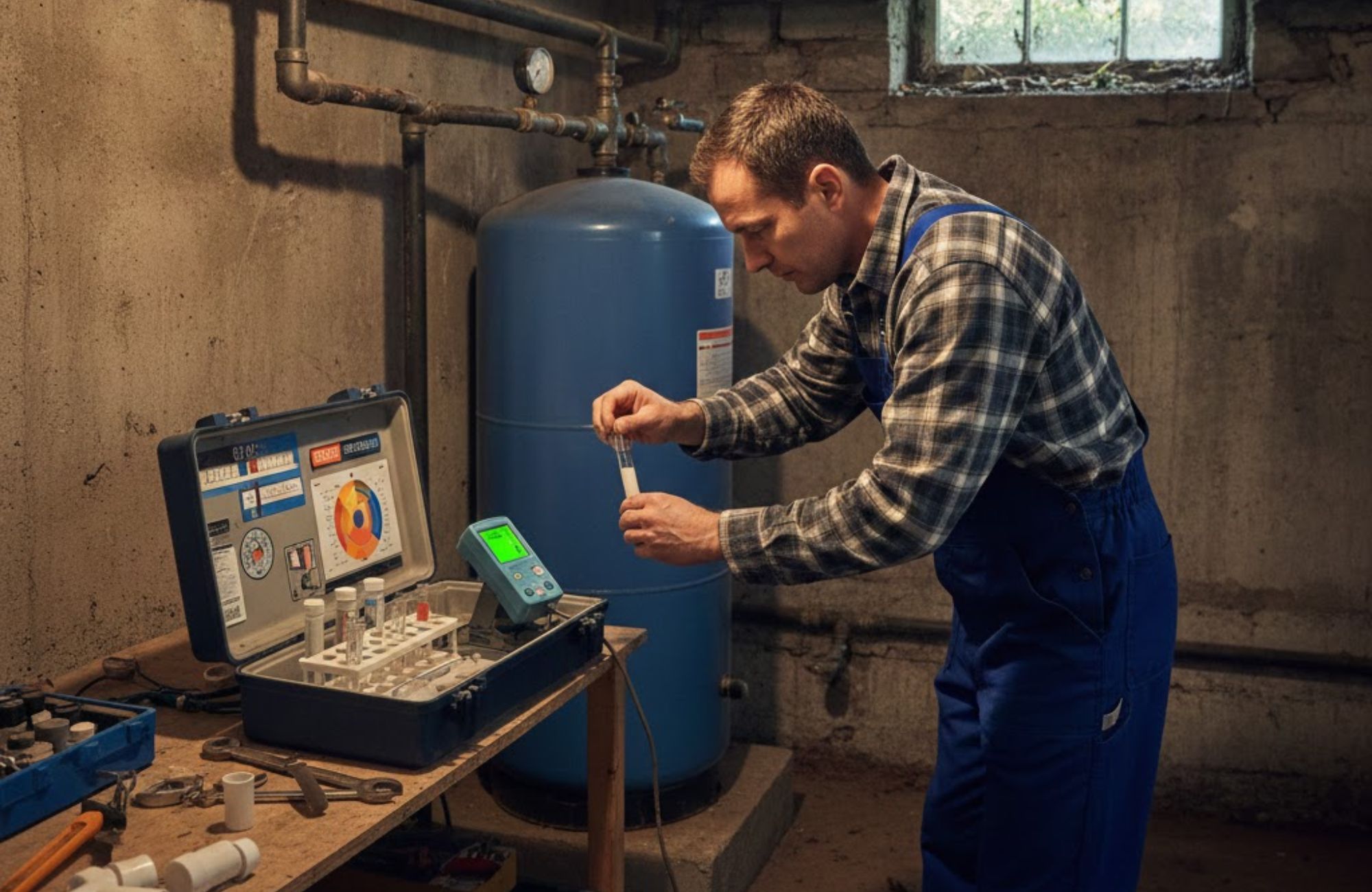
If your home relies on a private well, knowing how often you should test well water is one of the most important steps you can take to protect your family’s health. Unlike public drinking water systems, private wells are not regulated under the Safe Drinking Water Act. That means testing is the responsibility of the homeowner. In areas like New Milford, Connecticut, where many families depend on groundwater, regular testing helps catch contamination issues before they become serious water problems.
As a general rule, private well owners should test their well water at least once a year, with additional testing after certain events like flooding, heavy rain, or well pump repairs. Working with local experts who understand Connecticut water conditions can make this process clearer and far less stressful. If you’re unsure when your well was last tested or are dealing with a water quality change, Housatonic Valley Well Pump Services provides professional well inspections, water quality testing guidance, and treatment solutions for homeowners throughout New Milford and nearby towns.
How Often Should You Test Well Water?
Private well owners should test their well water once per year at a minimum to check for bacteria and basic water quality indicators. Annual testing helps detect contamination early and provides a baseline for monitoring changes over time.
For most households in New Milford and surrounding areas, yearly testing is enough to confirm that your water remains safe to drink. However, this baseline does not account for changes in groundwater conditions, nearby land use, or issues with well systems and septic systems. Homes with older wells, shallow wells, or a history of water quality issues may require more frequent testing.
According to the Centers for Disease Control and Prevention (CDC), annual testing is especially important because many common contaminants, such as coliform bacteria or nitrates, do not always affect taste or smell. Water can appear clear and still pose a risk to human health. Regular testing ensures you are not relying on guesswork when it comes to your family’s drinking water.
What Should Be Tested Every Year in Well Water?
Annual well water testing focuses on indicators that reveal whether contamination may be present. These tests are designed to flag potential risks so that further testing or treatment can be done if needed. Most state health departments and county health departments recommend annual testing for the following:
- Total coliform bacteria: Indicates whether surface contamination may be entering the well
- Nitrates: A serious concern for infants and pregnant women
- pH levels: Helps identify corrosive or scaling water conditions
- Total dissolved solids (TDS): Provides a general measure of water quality
Annual Well Water Test Checklist
| Test | Why It Matters |
|---|---|
| Total coliform bacteria | Signals possible contamination pathways |
| Nitrates | High levels can affect infants and pregnancy |
| pH | Impacts plumbing, fixtures, and metal leaching |
| TDS | Indicates overall water quality changes |
If annual test results show abnormal readings, additional water quality tests may be recommended for other contaminants such as heavy metals, volatile organic compounds, or other harmful chemicals. At this stage, working with a state-certified laboratory and a local well professional can help determine next steps, including treatment options.
When You Should Test Well Water Immediately
Certain situations call for testing your well water right away, even if you recently completed an annual test. These events increase the risk of contaminated water entering your private well system.
Immediate testing is recommended after:
- Flooding or heavy rain, which can introduce surface contaminants into groundwater
- Well pump repair or replacement, as system work can disturb the well environment
- Changes in taste, smell, or appearance, such as sulfur odors or cloudy water
- A sudden drop in water pressure, which may indicate system or casing issues
- Pregnancy or a new baby in the home, due to nitrate risk
- Buying or selling a home, especially with private water wells
Flooding and severe weather are particularly relevant in parts of Connecticut where groundwater levels can shift quickly. After these events, testing helps confirm whether harmful chemicals, bacteria, or other contaminants are present.
If your well system was recently serviced or you experienced a no-water emergency, Housatonic Valley Well Pump Services offers 24/7 emergency well pump services and can help homeowners coordinate testing and system checks to restore safe water quickly.
How Often Should You Test for Specific Contaminants?
Not all water contaminants follow the same testing schedule. Some require annual testing, while others are best checked every few years or when conditions suggest a risk. Understanding these differences helps private well owners avoid unnecessary testing while still protecting water safety.
Recommended Testing Frequency by Contaminant
| Contaminant | Suggested Frequency |
|---|---|
| Bacteria (total coliform) | Every year |
| Nitrates | Every year |
| Arsenic | Every 3–5 years |
| Iron and manganese | As needed (staining or taste issues) |
| Volatile organic compounds | If near roads, industry, or fuel storage |
In New Milford and nearby areas, iron, hard water, and sulfur odors are common complaints tied to local soil and groundwater conditions. Arsenic, while less visible, is another concern in parts of Connecticut and should be tested periodically even if the water appears normal.
When elevated levels are detected, treatment solutions such as iron filtration systems, arsenic removal units, or whole-house water treatment systems can be installed to protect private drinking water long term.
How to Test Well Water Properly
Testing well water correctly starts with proper sample collection and certified laboratory analysis. Poor sampling can lead to inaccurate test results, which may delay treatment or create unnecessary concern.
Before collecting a water sample, homeowners should understand the basic steps involved. Proper testing typically includes selecting the right lab, following sample instructions carefully, and delivering the sample within the required timeframe.
Basic Steps for Proper Well Water Testing
- Choose a state-certified laboratory recommended by your health department
- Use the sterile bottle provided by the lab
- Run water for the required amount of time before collecting the sample
- Avoid touching the bottle opening or cap
- Deliver the sample promptly for analysis
Many homeowners find this process confusing, especially when testing is needed urgently. Local well owners often prefer working with professionals who can guide them through sample collection and explain results clearly. Housatonic Valley Well Pump Services assists New Milford homeowners with inspections and testing coordination, helping ensure the process is done right the first time.
How Much Does Well Water Testing Cost in Connecticut?
The cost of testing well water depends on the type of tests performed and how many contaminants are included. Basic annual water quality tests are typically more affordable, while expanded panels that test for hazardous chemicals or other contaminants cost more.
In general, homeowners can expect:
- Lower costs for basic bacteria and nitrate testing
- Higher costs for expanded panels that include heavy metals, VOCs, or PFAS
- Additional costs if follow-up testing is required
While testing has an upfront cost, skipping it can be far more expensive in the long run. Undetected contamination can damage plumbing systems, affect appliances, and pose health risks that lead to costly treatment or emergency repairs. Transparent guidance from local professionals helps homeowners choose the right tests without overspending.
What to Do If Your Well Water Test Fails
A failed water test does not always mean your water system is beyond repair. In many cases, it simply means targeted action is needed to address the issue.
When test results indicate contamination, the next steps usually include:
- Confirming results with follow-up testing if needed
- Identifying the source of contamination, such as groundwater changes or system issues
- Installing appropriate treatment or filtration systems
- Retesting to confirm water safety after treatment
Well pump performance, pressure tanks, and filtration systems all play a role in maintaining clean water. Addressing problems quickly helps prevent long-term damage to your well system and protects your family’s health. Local well professionals can evaluate both water quality and system condition to recommend practical solutions.
Why Local Expertise Matters for Well Water Testing
Well water conditions vary widely by region, and national guidelines cannot account for every local risk. In Connecticut, groundwater quality is influenced by soil composition, bedrock, nearby land use, and aging private water wells.
Local experts understand these conditions and can provide advice that national resources cannot. Housatonic Valley Well Pump Services is owner-operated and brings more than 20 years of hands-on experience working with wells throughout New Milford, Brookfield, Danbury, and surrounding towns. This local knowledge allows for more accurate testing recommendations, realistic timelines, and treatment options that fit regional water challenges. Working with professionals who know your area means fewer surprises and better long-term water safety.
Conclusion
Knowing how often you should test well water gives you control over your home’s water safety. Annual testing, combined with event-based testing and local expertise, helps ensure your private drinking water remains safe year-round. For homeowners in New Milford, CT, and nearby communities, working with trusted professionals makes all the difference.
Housatonic Valley Well Pump Services provides well inspections, emergency well pump services, water treatment solutions, and honest guidance tailored to Connecticut well systems. If you want clear answers, reliable service, and help protecting your family’s water, contact our team today for a free quote or emergency assistance.
FAQs
What is the most common contaminant in well water?
The most common contaminant found in private well water is coliform bacteria, which indicates that surface contamination may be entering the well. While coliform bacteria are not always harmful, their presence signals that further testing is needed. Regular annual testing helps detect this issue early and prevent contaminated water from affecting your family’s health.
How do I test my well water at home?
Homeowners can start by contacting their local health department or a state certified laboratory to obtain a water sample kit. The sample must be collected carefully and delivered within the required timeframe. Many well owners prefer working with local experts who can guide the process and explain test results clearly.
What’s the average cost of a well inspection?
The cost of a well inspection varies based on system type and services included. Inspections often include evaluating the well pump, pressure tank, and overall water system condition. A professional inspection can help identify issues that may affect water quality or system performance before they become emergencies.
How often does a well need to be shocked?
Well shocking is typically recommended after bacteria contamination, flooding, or system repairs. It is not part of routine annual maintenance and should only be done when needed. A well professional can determine whether shocking is appropriate based on test results and system condition.