


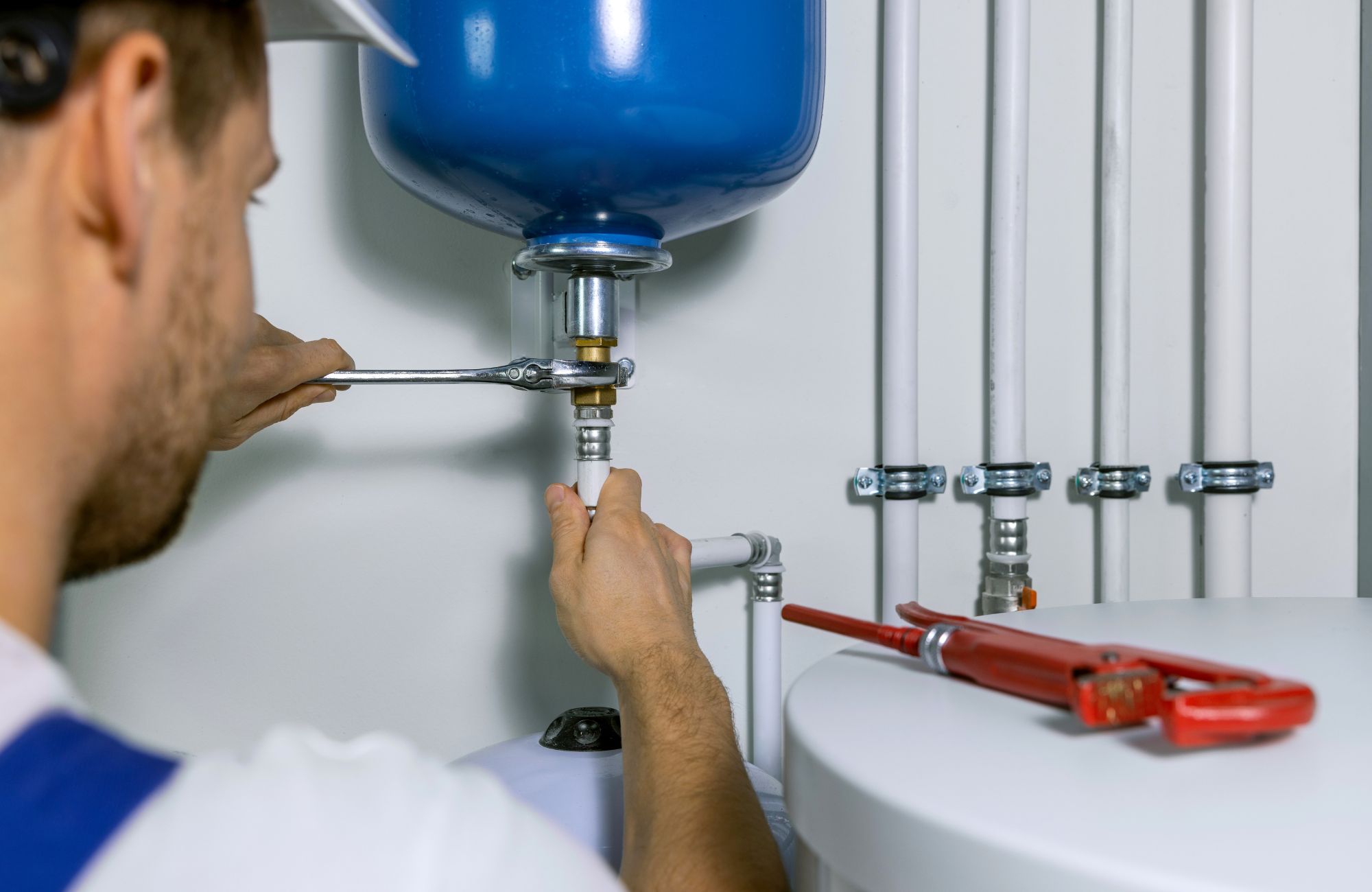
Maintaining the correct air pressure in your bladder tank is essential for the proper functioning of your well system. A well-maintained pressure tank ensures consistent water pressure, reduces pump cycles, and extends the life of your well pump. However, when the pressure in the tank is too high or too low, it can lead to problems such as low pressure, rapid cycling, or even a ruptured bladder.
For homeowners in New Milford, Litchfield County, and Upper Fairfield County, understanding how to maintain the correct air pressure is key to ensuring that your well pump operates smoothly. This guide will walk you through the process of checking, adjusting, and maintaining the ideal pressure for your tank, helping you avoid costly repairs and keep your water system functioning properly.
What Is a Bladder Tank and How Does It Work?
A bladder tank, also referred to as a pressure tank, is a crucial part of any well system. Its primary function is to maintain consistent water pressure throughout your home. Inside the tank is a bladder made of rubber that separates the water from the air. The pressure switch regulates the tank’s pressure settings, ensuring the system operates efficiently.
The air pressure in the tank pushes water into your pipes when the well pump is running. As water fills the tank, air in the tank gets compressed, which forces water into your plumbing system when needed. The cut-in pressure is the point at which the well pump kicks on to refill the tank, and the cut-off pressure is the point at which the pump turns off.
Correct pressure settings are vital for ensuring that your well system functions without interruptions, providing you with steady water flow throughout your home. If the well tank’s pressure is incorrect, your pump may cycle too often, leading to short cycling or other performance issues.
Why Is Air Pressure Important for a Bladder Tank?
The air pressure inside your bladder tank plays a significant role in the overall performance of your well system. Maintaining the correct air charge ensures that your system runs smoothly and efficiently, providing consistent water pressure and reducing wear and tear on your well pump. Here’s why proper tank pressure is crucial:
1. Consistent Water Pressure
The air pressure in the bladder tank ensures that your household pressure remains stable. If the pressure in the tank is too low, it may lead to fluctuating water pressure, resulting in weak flow or surges. Maintaining the right pressure setting helps ensure a steady water flow to your taps, showerheads, and appliances.
2. Pump Efficiency
When the tank pressure is set correctly, your well pump will turn on and off only when necessary, reducing the risk of rapid cycling. Frequent cycling due to improper air pressure can cause unnecessary strain on the pump motor, leading to premature pump failure. By maintaining the right air charge, you can ensure that your pump operates efficiently and lasts longer.
3. System Longevity
A well pressure tank with the correct air pressure reduces the wear on the entire system. If the pressure in the tank is not properly calibrated, it can result in waterlogged bladder pressure tanks, pump motor cycling, and even premature tank failure. Regularly checking and adjusting your tank’s pressure helps extend the lifespan of your well system.
How to Check and Adjust Your Bladder Tank’s Air Pressure
Checking and adjusting the air pressure in your bladder tank is a simple process that can save you from costly repairs. Follow these steps to ensure your pressure tank is properly calibrated:
Tools You’ll Need:
- Pressure gauge (or tire pressure gauge)
- Air compressor
- Wrench (for adjusting the air valve)
Step-by-Step Instructions:
- Turn off the power to the well pump: Before beginning, make sure the well pump is off to prevent any accidents while you’re adjusting the tank.
- Drain the tank: Open a faucet to drain the well tank completely. This will help you get an accurate reading of the air pressure.
- Check the air pressure: Locate the air valve (also called the Schrader valve) on top of the bladder tank. Attach the pressure gauge to the valve and check the air pressure. If you don’t have a dedicated air pressure gauge, you can use a tire gauge.
- Adjust the air pressure: If the air pressure is too low, use an air compressor to add air. The ideal pressure setting is usually 2 PSI below the cut-in pressure of your pressure switch. For example, if the pressure switch is set to 40/60 PSI, adjust the tank pressure to 38 PSI.
- Turn the power back on: Once you’ve adjusted the pressure in the tank, turn the well pump back on and check the system to make sure everything is functioning correctly.
If you don’t feel comfortable doing this yourself, Housatonic Valley Well Pump Services offers professional well tank inspections and air pressure adjustments.
Troubleshooting Common Bladder Tank Air Pressure Issues
If your well system is experiencing issues like inconsistent water pressure or short cycling, the pressure tank may be to blame. Here’s how to troubleshoot common air pressure issues:
1. Low Water Pressure
If you’re noticing low water pressure, it may be due to low air pressure in your bladder tank. Add air using an air compressor to restore the correct pressure in the tank.
2. Frequent Pump Cycling
If your well pump is turning on and off too frequently, it could be due to low tank pressure. This is known as short cycling and can put unnecessary strain on your well pump. Adjust the air charge to ensure the pump only cycles when necessary.
3. No Water Flow
If there’s no water coming from your faucets, it could be a sign of a ruptured bladder inside the tank, or there could be a major issue with the air pressure. In this case, you’ll need to inspect the pressure tank or call a professional for repairs.
4. Pump Running Continuously
If the pump is running non-stop, it could indicate that the pressure switch setting is incorrect or the air pressure is too high. Adjust the air pressure or call a technician to inspect the system.
How Often Should You Service Your Bladder Tank?
To ensure that your bladder tank continues to function properly, it’s important to have it serviced regularly. Here’s how often you should check the air pressure in your pressure tank:
1. Annually
It’s recommended to check the air pressure in your bladder tank once a year. Regular maintenance helps to catch any issues early and ensures that the system is running smoothly.
2. Before Selling Your Home
If you’re selling your home, having the pressure tank checked is a good idea. Potential buyers will appreciate knowing that the well system is properly maintained.
3. After Major Repairs
If any part of your well system has been repaired or replaced, it’s a good idea to check the tank’s pressure to make sure everything is working correctly.
How Much Does It Cost to Adjust Air Pressure in a Bladder Tank?
The cost of adjusting the air pressure in your bladder tank depends on several factors, including the size of the tank, the technician’s hourly rate, and the complexity of the task. On average, you can expect to pay around $100 to $200 for a professional inspection and air pressure adjustment.
Signs Your Bladder Tank Needs Immediate Attention
If you’re experiencing any of the following symptoms, it’s time to call a professional for bladder tank maintenance or repair:
- Frequent pump cycling: The pump turns on and off rapidly without consistent water pressure.
- Weak or fluctuating water pressure: Inconsistent water flow throughout your home.
- No water at all: A sign of a ruptured bladder or major pressure issue.
- Strange noises: A hissing or banging sound coming from the pressure tank could indicate air pressure problems.
Conclusion
Properly maintaining the air pressure in your bladder tank is crucial for ensuring that your well water system runs smoothly and efficiently. Incorrect tank pressure can lead to low water pressure, frequent pump cycling, and even premature tank failure. Regular checks and adjustments of your pressure tank can prevent these issues and extend the life of your well system. By understanding the importance of air pressure and how to properly adjust it, you can ensure consistent water flow throughout your home while avoiding costly repairs down the line.
If you’re unsure about the pressure in your tank or are facing issues like pump cycling or low water pressure, Housatonic Valley Well Pump Services is here to help. We offer reliable, professional service in New Milford, Litchfield County, and surrounding areas. Contact us today to schedule an expert inspection or air pressure adjustment for your well system.
FAQs
How much air pressure should be in a water bladder?
The ideal air pressure for a bladder tank is typically 2 PSI below the cut-in pressure of your well pump. For instance, if your pressure switch is set to 40/60 PSI, the bladder tank should be set to 38 PSI.
Why is the pressure in my bladder tank too low?
Low air pressure in your bladder tank can occur over time as the air naturally escapes. You can add air using an air compressor to restore the correct pressure.
Is 40 PSI good for a water pump?
Yes, a pressure switch setting of 40 PSI is a common cut-in pressure. This would mean your bladder tank’s air pressure should be 38 PSI.
How much air pressure should be in a 30-gallon water tank?
For a 30-gallon bladder tank, the air pressure should be set to 2 PSI below the cut-in pressure of your well pump, similar to other tank sizes. For example, if your pump starts at 30 PSI, the bladder tank should be set to 28 PSI.