


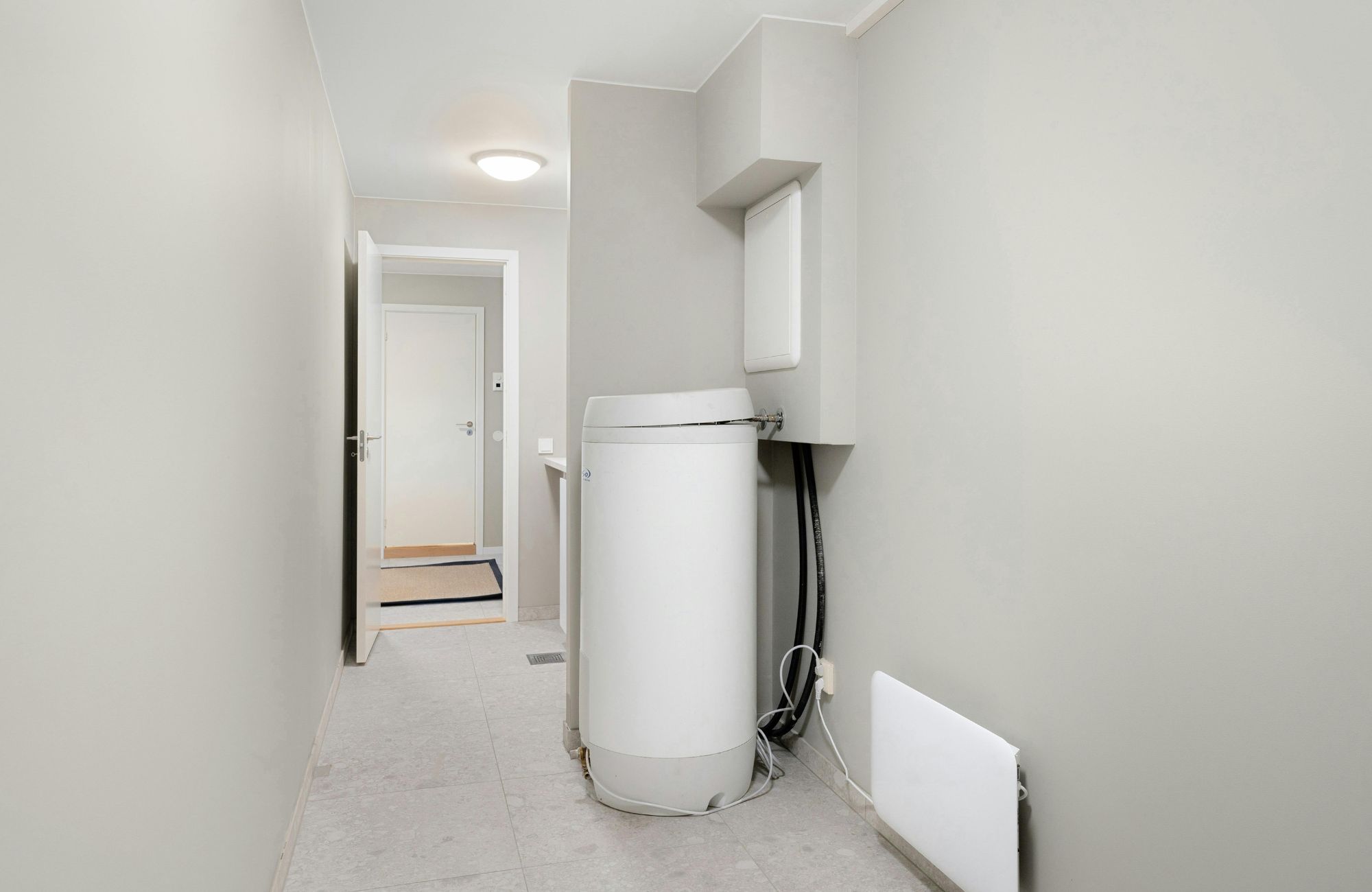
An energy-efficient water heater uses less energy to produce the same reliable hot water your household needs every day. For homeowners in New Milford, CT, and across Litchfield County, choosing the right water heater can lower monthly energy costs, improve performance, and reduce the risk of sudden breakdowns. With energy prices rising and many homes still using an older unit, upgrading to an energy-efficient water heater is no longer just about comfort. It is about long-term savings, reliability, and smarter water heating.
Connecticut homes place a steady demand on water heating systems. Daily use of showers, dishwashers, a clothes washer, and other household appliances requires a constant supply of hot water year-round. An outdated or inefficient water heater often uses more energy than necessary, which increases energy costs and shortens the water heater’s life. Choosing an energy-efficient option helps reduce wasted energy while delivering consistent hot water performance.
What Makes a Water Heater Energy Efficient
An energy-efficient water heater converts more energy into usable hot water while minimizing heat loss during storage and operation. True energy efficiency depends on how the unit heats water, how well it retains heat, and whether the tank size matches household demand. The goal is not theoretical efficiency, but measurable reductions in monthly energy use.
Modern systems are rated using the Uniform Energy Factor, which measures how efficiently a water heater heats water, stores it, and delivers hot water during normal use. Higher ratings signal better efficiency, but real-world results also depend on installation, insulation quality, and local water conditions. Hard water, sediment, and mineral buildup can reduce efficiency even in ENERGY STAR-certified models.
Factors that Affect Energy Efficiency
Key factors that affect energy efficiency include:
- Type of water heater and heating method
- Fuel sources such as electricity, natural gas, propane, or oil
- Storage tank insulation and heat retention
- Household hot water demand and usage patterns
- Water quality issues that affect the heat exchanger
Poor water quality allows scale to form on heating elements, forcing the system to use more energy to heat water. Over time, this reduces efficiency and shortens the water heater’s life, even when the unit is properly sized.
Types of Energy-Efficient Water Heaters Compared
Different types of energy-efficient water heaters serve different household needs. There is no one-size-fits-all solution. The right system depends on household size, available space, fuel access, and daily hot water demand.
Heat Pump Water Heaters
Heat pump water heaters are widely considered the most energy-efficient option for residential homes. Instead of generating heat directly, a heat pump transfers heat from the surrounding air to heat water, which uses far less electricity than traditional electric resistance models.
These systems work best in basements or utility spaces with sufficient air volume. Many ENERGY STAR certified models can use up to 60 percent less energy compared to a standard storage water heater, according to federal data.
Key benefits and considerations include:
- High energy efficiency and lower operating cost
- Best performance in spaces that stay above 40 degrees
- Requires airflow, drainage, and sometimes a condensate pump
- Slightly higher upfront purchase cost
When installed correctly, heat pump water heaters perform well in Connecticut homes. Our team helps homeowners determine whether their space can support proper airflow, cooling, and drainage for long-term efficiency.
Tankless Water Heaters
A tankless water heater heats cold water on demand instead of storing hot water in a storage tank. This design eliminates standby heat loss and can improve efficiency when hot water demand is moderate and predictable.
Tankless systems provide a constant supply of hot water, but performance depends on flow rate, fuel type, and electrical capacity. Electric models often require upgrades, while gas-fired water heaters using natural gas typically handle higher demand more effectively.
Important considerations include:
- No storage tank and reduced heat loss
- Flow limits during peak household demand
- Higher installation complexity
- May not provide more hot water during simultaneous use
Tankless systems work well for smaller households but are not always ideal for families running multiple showers and appliances at the same time.
High-Efficiency Electric and Solar Water Heaters
High-efficiency electric storage water heaters use improved insulation and smarter controls to reduce energy loss. While not as efficient as heat pump water heaters, they offer dependable performance and simpler installation.
Solar water heaters use collectors to preheat water before it enters the tank. In Connecticut, solar systems typically work best when paired with electric or gas backup heaters. Solar water heaters can reduce energy use, but higher upfront costs and installation requirements limit adoption for many homeowners.
Energy Efficient Water Heater Cost vs Long-Term Savings
An energy-efficient water heater may cost more upfront, but lower operating energy costs can offset the initial investment. The real cost of a water heater includes purchase price, installation, energy use, maintenance, and lifespan.
| Water Heater Type | Typical Installed Cost | Energy Use | Best For |
|---|---|---|---|
| Heat Pump Water Heater | Higher | Very low | Long-term savings |
| Tankless (Gas) | Medium to high | Low | Moderate demand |
| Electric Storage | Lower | Medium | Simple installs |
| Solar Water Heater | Highest | Very low | Supplemental use |
Many energy-efficient water heaters qualify for rebates and tax credit programs. Federal incentives and local rebates for ENERGY STAR systems can reduce upfront cost and improve payback.
Choosing the Right Energy-Efficient Water Heater for Your Home
Choosing the right energy-efficient water heater requires more than matching the same size tank as your current water heater. Every household has unique demand patterns that affect efficiency and performance.
Before replacing your old one, consider:
- Number of people in the household
- Peak hot water demand
- Available space and access
- Electrical panel or gas supply
- Well system and pressure setup
- Presence of hard water or sediment
Water quality plays a major role in efficiency and maintenance. Scale buildup reduces heat transfer and forces the heater to use more energy to heat water efficiently.
How Water Quality Impacts Water Heater Efficiency
Water quality is one of the most overlooked contributors to poor energy efficiency. Hard water, iron, and sediment increase energy use and shorten equipment lifespan.
Scale acts as insulation, reducing heat transfer between the heating element and water. Sediment buildup reduces usable tank volume and unevenly heats water, increasing strain on the system.
Improving water quality helps:
- Improve heat transfer
- Reduce maintenance
- Extend the water heater’s life
- Protect connected appliances
As local well specialists, we install filtration systems, iron removal, and water softeners that help energy-efficient water heaters operate efficiently.
When to Replace vs Upgrade an Existing Water Heater
Waiting for a water heater to fail often leads to emergency replacement. Proactive replacement allows homeowners to choose a properly sized, energy-efficient unit instead of rushing a decision.
Signs it may be time to replace include:
- Unit age over 10–12 years
- Rising energy costs
- Inconsistent hot water
- Rust or leaks
Planning ahead avoids emergency installs and improves long-term efficiency.
Professional Installation Matters More Than the Model
Even the most efficient model can underperform if installed incorrectly. Proper sizing, airflow, drainage, and electrical connections matter.
Professional installation ensures:
- Correct tank size
- Safe electrical or gas setup
- Proper airflow and cooling
- Correct condensate handling
With over 20 years of experience, Housatonic Valley Well Pump Services installs systems according to manufacturer guidelines and the owner’s manual, ensuring safe and efficient operation.
Conclusion
An energy-efficient water heater uses less energy to produce the same reliable hot water your household needs every day. For homeowners in Conneticut choosing the right water heater can lower monthly energy costs, improve performance, and reduce the risk of sudden breakdowns. With energy prices rising and many homes still relying on aging equipment, upgrading to an energy-efficient water heater is no longer just about comfort. It is about long-term savings and reliability.
For homeowners in New Milford, CT, and nearby areas, choosing an energy-efficient water heater requires expert guidance and proper installation. Housatonic Valley Well Pump Services provides reliable water heater installation and system evaluations tailored to local homes. If you are planning to replace an older unit or improve energy efficiency, contact us for a free quote or emergency service.
FAQs
What is the most energy-efficient type of water heater?
Heat pump water heaters are the most energy-efficient option for most homeowners. They use a heat pump to move heat instead of generating it, which reduces electricity use and lowers operating costs.
How much will my electric bill go up with a tankless water heater?
An electric tankless water heater may increase electricity use during operation, but total energy costs depend on usage and household demand. Homes with moderate demand may see little change.
Why avoid a tankless water heater?
Tankless systems can struggle with high demand. Flow limitations and installation upgrades can increase cost and complexity.
Are energy efficient water heaters worth it?
Yes. Energy efficient water heaters often cost more upfront but typically save energy over time. Tax credits, rebates, and reduced operating costs make them a strong long-term investment.