


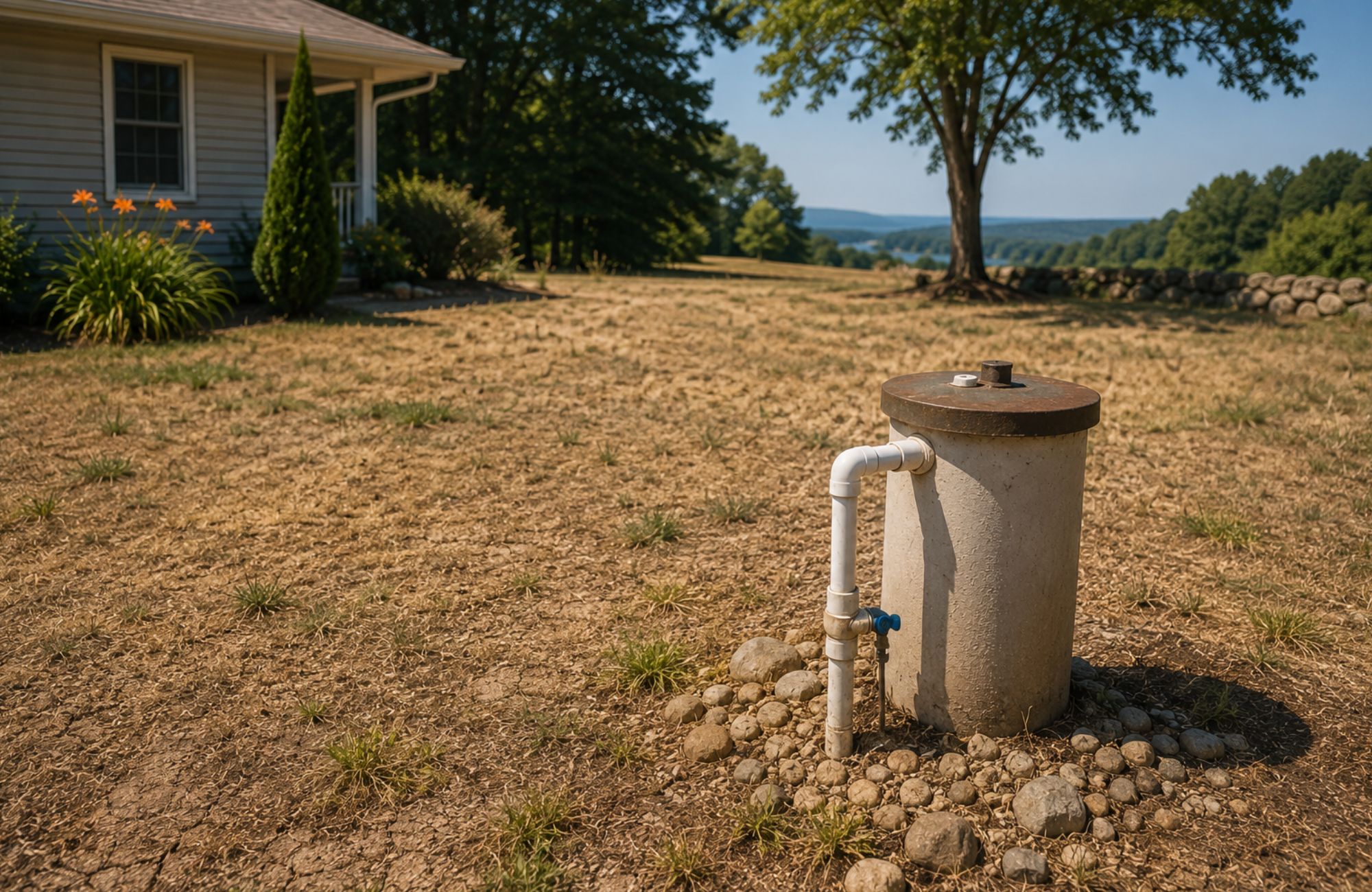
Do droughts affect well water? Yes, and the effect is direct and measurable. Drought directly affects well water by lowering groundwater levels and reducing supply. As conditions persist, pressure drops, system reliability declines, and issues like low pressure or poor water quality begin to appear. Without early action, this can lead to water loss and equipment damage. This often leads to low pressure, poor water quality, and in some cases, wells running dry.
For homeowners in Litchfield County, Fairfield County, and nearby towns, this is not a rare issue. Many homes rely on private wells, which depend entirely on groundwater. If that groundwater is not replenished, your access to safe drinking water is at risk. The key is understanding the early signs and acting before your system fails, often with the help of professional well pump services or a thorough well inspection to catch problems early.
How Drought Affects Groundwater and Well Water Supply
Drought impacts your well because it disrupts how groundwater is naturally replenished. This process depends on rainfall reaching and soaking into the ground, which becomes limited during drought.
What Happens Beneath the Ground During a Drought
Groundwater exists below the land surface in layers of soil, sand, and rock. These underground reserves supply most private wells. When rainfall decreases, less water reaches these layers, and groundwater supplies begin to shrink.
Over time, groundwater levels fall and the water table drops. This means your well has to pull water from a lower depth. If the drop continues, the pump intake may no longer sit below the water level. In many reported cases across areas like New Milford and Danbury, these changes tend to appear gradually over several weeks rather than all at once. The invisible nature of groundwater often gives homeowners a false sense of security until the system starts failing.
Why Some Wells Are Affected Faster Than Others
Not all wells respond the same way to drought. The outcome can vary depending on several factors:
- Depth of the existing well
- Type of soil and rock formation
- Local groundwater conditions
- Daily water consumption in the household
- Well yield and recharge rate
Shallow-dug wells and hand-dug wells are the most vulnerable. These wells rely on water closer to the surface and lose supply quickly during dry conditions. Deeper wells tend to hold up longer, but they are not immune. In rural areas, where homes rely entirely on private wells instead of surface water systems, the impact is more severe. There is no backup supply, which increases the risk of disruption to daily life and public health concerns.
Early Signs Your Well Is Being Affected by Drought
Most well failures show warning signs before water completely stops. Recognizing these signs early can help you avoid damage to your well pump and maintain access to your water supply.
Changes in Water Pressure and Flow
One of the first signs is a noticeable drop in water pressure. This happens because the pump is struggling to maintain a consistent water flow as groundwater levels decline. You may notice weaker flow when using multiple fixtures or inconsistent pressure throughout the day. This is often the first sign that the water table is dropping.
Air and Sediment Entering the System
As the water level drops closer to the pump intake, the system may begin pulling air. This results in air bubbles coming from faucets. You may also see more sediment in your water, which can cause discoloration and affect water quality. These changes indicate that the pump is no longer fully submerged. This increases wear on the system and can lead to damage if not addressed.
Increased Pump Activity and System Stress
Another common sign is the pump running more often or for longer periods. This happens because the system is working harder to maintain pressure. In real cases across Brookfield and Southbury, homeowners reported pumps cycling more frequently before experiencing full water loss. This is a critical stage where action should be taken.
If you notice any combination of these signs, there is an increased risk of wells running dry. It is best to have your system inspected before the problem escalates.
What Happens When a Well Runs Dry
A well running dry does not mean groundwater is gone. It means the water level has dropped below the pump intake, so the system can no longer pull water.
Immediate Effects Inside the Home
When this happens, homeowners experience:
- No water delivered to faucets or fixtures
- Pump overheating due to a lack of water
- Increased sediment entering the system
- Loss of access to drinking water
At this stage, daily routines like washing clothes, cooking, and cleaning become difficult or impossible.
Short-Term Emergency Solutions
When a well stops producing water, homeowners often rely on temporary solutions such as:
- Using bottled water for drinking
- Hiring a bulk water hauler to deliver water
- Arranging emergency water delivery through local services
- Contacting the local fire department for assistance in extreme cases
These solutions are not permanent. They only help bridge the gap until the well recovers or is repaired.
Long-Term Impact on Your System
Running a pump without water can cause serious damage. A submersible pump depends on water for cooling. Without it, the system can overheat and fail. This is why it is critical to shut off the pump and recommend calling a professional if your well stops producing water.
How to Monitor Your Well During Drought Conditions
Most well issues during drought follow a predictable pattern: pressure drops first, then air enters the system, and finally water flow becomes inconsistent. Recognizing this sequence early can help you act before a full failure occurs. Most homeowners do not track their system until something goes wrong, but a few simple checks can give you early warning signs. During drought conditions, these small observations can make the difference between a minor adjustment and a complete loss of water.
Key Indicators to Track Regularly
During drought conditions, you should monitor:
- Water level inside the well
- Pump run time and frequency
- Water quality changes
- Sediment levels
- Pressure tank performance
Tracking these factors helps you understand how your system is responding to changing groundwater levels.
Why Pressure Tanks Matter More During Drought
A properly sized pressure tank reduces how often the pump runs. This is especially important when groundwater levels are low. Instead of turning on every time water is used, the tank stores water and releases it as needed, which reduces stress on the system.
In many homes we service, upgrading a pressure tank improves system stability during drought conditions. It helps maintain consistent water flow, prevents rapid pump cycling, and extends the life of your equipment. When paired with proper monitoring, it becomes one of the most effective ways to protect your well during extended dry periods.
When to Call a Professional
If you are unsure how to monitor your system or notice sudden changes, it is best to have a professional evaluation. A water well contractor can measure well yield, assess groundwater levels, and recommend solutions based on your system.
Water Conservation Measures That Actually Work
Reducing water consumption is one of the most effective ways to protect your well water supply during drought conditions. These conservation measures help extend the available supply and reduce stress on the system.
Practical Ways to Conserve Water at Home
From real homeowner experience, these strategies make a measurable difference:
- Take shorter showers to reduce daily water use
- Run washing clothes only with full loads
- Fix leaks immediately to prevent waste
- Spread water use throughout the day
- Avoid unnecessary outdoor watering
These actions help conserve water and allow groundwater supplies to recover slightly between uses. Over time, this reduces strain on your well pump and helps maintain a more stable water level, especially during extended drought conditions.
How Conservation Affects Well Performance
Water conservation does not increase groundwater, but it reduces demand. In several cases, we have seen wells stabilize simply because the homeowner reduced peak water consumption. This approach helps prevent wells from running dry and protects the system during extended dry conditions.
Long-Term Solutions for Drought-Affected Wells
If drought continues, temporary fixes are not enough. Long-term solutions depend on the condition of your existing well and local groundwater conditions.
Structural Changes to Improve Water Access
Based on field experience and collaboration with well drillers, the most effective solutions include:
- Lowering the submersible pump deeper into the well
- Drilling deeper to reach more stable groundwater
- Installing a larger pressure tank system
- Upgrading to a more efficient well pump
Deeper wells are often more reliable because they access groundwater that is less affected by short-term drought.
Addressing Water Quality Issues
As groundwater levels drop, water quality problems can increase. Lower levels often bring more sediment into the system. Installing a water treatment system can help manage these issues and maintain safe drinking water during drought conditions.
Why Local Knowledge Matters
Every area has different groundwater behavior, especially during drought conditions. Factors like soil composition, well depth, and local groundwater conditions all affect how a well performs. This is why working with a local expert makes a difference. They understand how wells behave in your area and can recommend solutions that actually match your system.
Real Local Insight From Field Experience
From real service work, drought impact is usually gradual rather than sudden. In New Milford, a homeowner noticed reduced pressure but still had water. The water level had dropped close to the pump intake, and with simple adjustments, we avoided a full failure. In Danbury, a deeper well held up longer but eventually showed sediment and air bubbles. In that case, the issue was not just drought but also low well yield for the household demand. These examples show that outcomes vary based on the system and how it is used.
Conclusion
Drought directly affects well water by lowering groundwater levels and reducing supply. As conditions persist, pressure drops and system reliability declines. Without early action, this can lead to water loss and equipment damage. Monitoring your system, applying water conservation measures, and taking early action can prevent costly damage and protect your water supply, so if you notice pressure changes, sediment, or reduced flow, it is best to have your system checked before it fails.
Housatonic Valley Well Pump Services provides expert inspections, maintenance, and emergency support. If you want to protect your well water supply and avoid unexpected outages, reach out today and have your system evaluated before the next drought hits.
FAQs
What happens to water during a drought?
During a drought, reduced precipitation lowers groundwater levels and the water table. This reduces the amount of water available for wells and can affect both water pressure and water quality. Over time, wells may produce less water or stop working.
What is the most common problem with well water?
The most common issue is a drop in water level. This leads to reduced pressure, sediment entering the system, and air bubbles in the lines. If not addressed, it can damage the pump and create water quality problems.
What happens if well water runs dry?
When a well runs dry, the pump can no longer reach water because the level has fallen below the pump intake. This results in no water flow and can damage the pump if it continues running. Temporary solutions include bottled water or bulk water delivery.
What is the longest drought on record?
One of the longest droughts in United States history was the Dust Bowl in the 1930s, which lasted several years. Today, climate change is increasing the frequency of drought, which continues to affect groundwater and private wells.