



A private well inspection is a crucial step to protect your water supply, health, and property value. Whether you rely on an existing well or are buying a home with a private system, an inspection ensures your well, pump, pressure system, and water quality are safe. Since private wells are not regulated under the Safe Drinking Water Act, you, as the owner, are responsible for safety and testing.
In areas like Litchfield County and Upper Fairfield County, CT, many homes rely on groundwater, and local geology varies. Inspections are especially important in these regions. A professional well inspection provides test results, identifies contamination sources, and uncovers mechanical issues before they lead to expensive repairs. If you rely on a private well or are planning a real estate transaction, scheduling a well inspection is the best way to protect your water and investment.
What Is a Private Well Inspection?
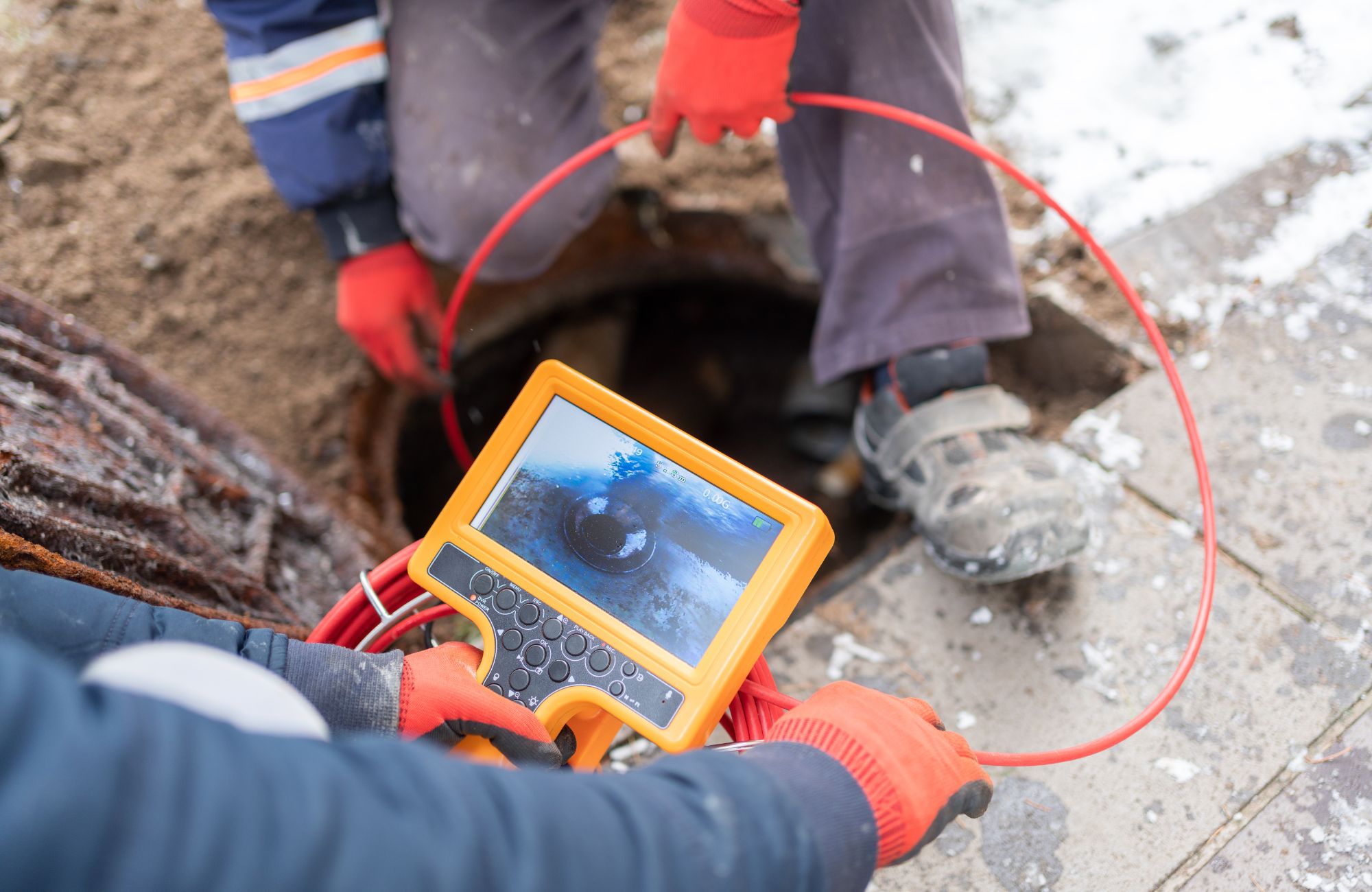
A private well inspection is a professional evaluation of a home’s well system that focuses on water safety, system performance, and visible well construction. It typically includes a visual inspection of the wellhead and equipment, testing the pressure system and flow rate, and collecting water samples for laboratory testing. Inspectors also assess well construction, separation distances from septic systems, and signs of surface contamination.
According to the U.S. Environmental Protection Agency (EPA), private well owners are fully responsible for monitoring their water systems, making professional inspections a key part of safe well ownership.
What Does a Private Well Inspection Include?
A complete private well inspection covers more than just water testing. It evaluates the physical condition of the well system and how reliably it delivers potable water to the home. Each part of the inspection provides information that helps well owners understand both short-term safety and long-term maintenance needs.
Visual Inspection of the Well System
The inspection begins with a visual inspection of the well and related components. This step focuses on identifying visible risks that could allow contamination or system failure.
Inspectors commonly check:
- The well cap and casing for cracks, corrosion, or improper sealing
- The location of the well relative to septic systems and other potential sources of contamination
- The condition of the pressure tank, pump wiring, and pressure system controls
These visual indicators often reveal early warning signs that are easy to miss but critical to water safety.
Flow Rate and Pressure System Testing
After the visual inspection, the well inspector evaluates how well the system delivers water. Flow rate testing measures how much water the well can produce over time, while pressure testing checks whether the pump and pressure tank maintain consistent household water pressure.
Low flow rates or unstable pressure can signal problems with the well pump, groundwater supply, or pressure tank. Identifying these issues early allows well owners to plan repairs instead of dealing with sudden water loss.
Water Testing and Lab Analysis
Water testing is a core part of any private well inspection. Samples are collected and sent to a certified lab to evaluate drinking water quality. Standard tests typically screen for total coliform bacteria, E. coli, nitrates, and other common contaminants. Depending on location and risk factors, testing may also include volatile organic compounds, lead, or other organic compounds.
Results from certified labs help determine whether the water is safe to drink and whether treatment or system repairs are needed to protect health.
Private Well Inspection vs Well Water Testing
A private well inspection and well water testing serve different but complementary purposes. A well inspection evaluates the condition and performance of the entire system, while water testing focuses only on the quality of the water at a specific point in time.
A well inspection includes a visual inspection, flow rate testing, and pressure system checks, along with water sampling. Water testing alone does not assess whether the pump, pressure tank, or well construction is in good condition. For many buyers and long-term owners, combining both provides the clearest picture of safety and reliability.
When Do You Need a Private Well Inspection?
Knowing when to schedule a private well inspection can prevent costly repairs and health risks. While regular testing is recommended for all private well owners, inspections are especially important in certain situations.
You should consider a professional inspection if:
- You are buying or selling a home with a private well
- There are changes in taste, odor, or appearance of well water
- Water pressure drops or the flow rate becomes inconsistent
- Flooding, nearby construction, or septic system issues have occurred
- The well has not been inspected or tested in several years
In regions with variable groundwater conditions, such as parts of Litchfield County and nearby towns like New Milford, Danbury, and Brookfield, inspections help identify risks tied to local geology and land use.
Is a Private Well Inspection Required When Buying a Home?
In many states, a private well inspection is not legally required, but it is often strongly recommended. Some lenders, insurers, and local health departments may require proof of water testing or system condition as part of a real estate transaction. Even when not required, many buyers request inspections as part of their due diligence to avoid unexpected repairs after closing.
A clear inspection report gives buyers leverage during negotiations and helps sellers address issues upfront. If you are purchasing a home with an existing well, a professional inspection before closing can protect you from hidden system or water quality problems.
How Much Does a Private Well Inspection Cost?
The cost of a private well inspection depends on the scope of services and local testing requirements. The U.S. Geological Survey notes that well depth, pump type, and groundwater conditions influence inspection requirements and outcomes.
Most inspections include a base fee covering visual inspection and flow testing, with water testing priced separately based on the number of contaminants tested. While costs vary, inspections are generally affordable compared to the expense of emergency repairs, pump replacement, or installing treatment systems after contamination is discovered.
How to Prepare for a Private Well Inspection
Preparing properly helps ensure accurate test results and a smoother inspection process. Before the inspector arrives, homeowners should allow clear access to the wellhead, pressure tank, and pump controls. Any existing test results or maintenance records should be gathered for review.
It is also helpful to avoid heavy water use before testing, as this can affect flow rate measurements and sample accuracy. Simple preparation steps help inspectors provide more reliable results and clearer recommendations.
How to Choose a Qualified Private Well Inspector
Choosing the right well inspector is essential for accurate results. A qualified inspector should have experience with local water systems, use certified labs for water testing, and understand how groundwater conditions affect well performance.
Look for inspectors who:
- Have proven experience with private well systems
- Use certified laboratories for testing
- Provide clear reports and explain test results
- Offer guidance on repairs, maintenance, or treatment if needed
Working with professionals familiar with local conditions ensures inspections address real-world risks specific to your area.
What Happens If a Private Well Inspection Fails?
A failed private well inspection does not always mean a well is unusable. Common issues include bacterial contamination, high nitrate levels, low flow rate, or mechanical problems with the pump or pressure tank. Many of these issues can be corrected through disinfection, repairs, or system upgrades.
After reviewing test results, inspectors often recommend next steps such as shock chlorination, pump repair, or additional testing through the local health department. Addressing issues early helps restore safe drinking water and protects long-term system performance.
Conclusion
A private well inspection is a practical investment in water safety, system reliability, and peace of mind. By combining visual inspection, flow rate testing, and certified water testing, well owners gain a clear understanding of their water system’s condition and potential risks. This knowledge is especially valuable during real estate transactions and for long-term homeowners responsible for their own water supply.
For private well owners in Litchfield County, Upper Fairfield County, and surrounding areas, Housatonic Valley Well Pump Services offers expert inspections tailored to local groundwater conditions. Reach out today to learn more about how we can help ensure your water quality and system performance.
FAQs
How much does a well inspection cost?
A private well inspection typically costs a few hundred dollars, depending on the inspection scope and water testing required. Expanded testing for contaminants like volatile organic compounds or lead can increase the total price. The cost is usually small compared to potential repair or treatment expenses.
How to inspect a private well?
Inspecting a private well involves a visual inspection of the wellhead and equipment, testing the pressure system and flow rate, and collecting water samples for lab analysis. Because many issues are not visible, professional inspections provide more reliable results than DIY checks.
How much is it to have a well inspected?
The price to have a well inspected varies by region, testing requirements, and system condition. Most homeowners can expect to pay several hundred dollars for a complete inspection that includes both system evaluation and water testing.
How much does it cost to test a well?
Basic well water testing often costs less than a full inspection, with prices depending on the number of contaminants tested. Standard tests for total coliform bacteria and nitrates are usually the most affordable, while broader panels increase the cost.