


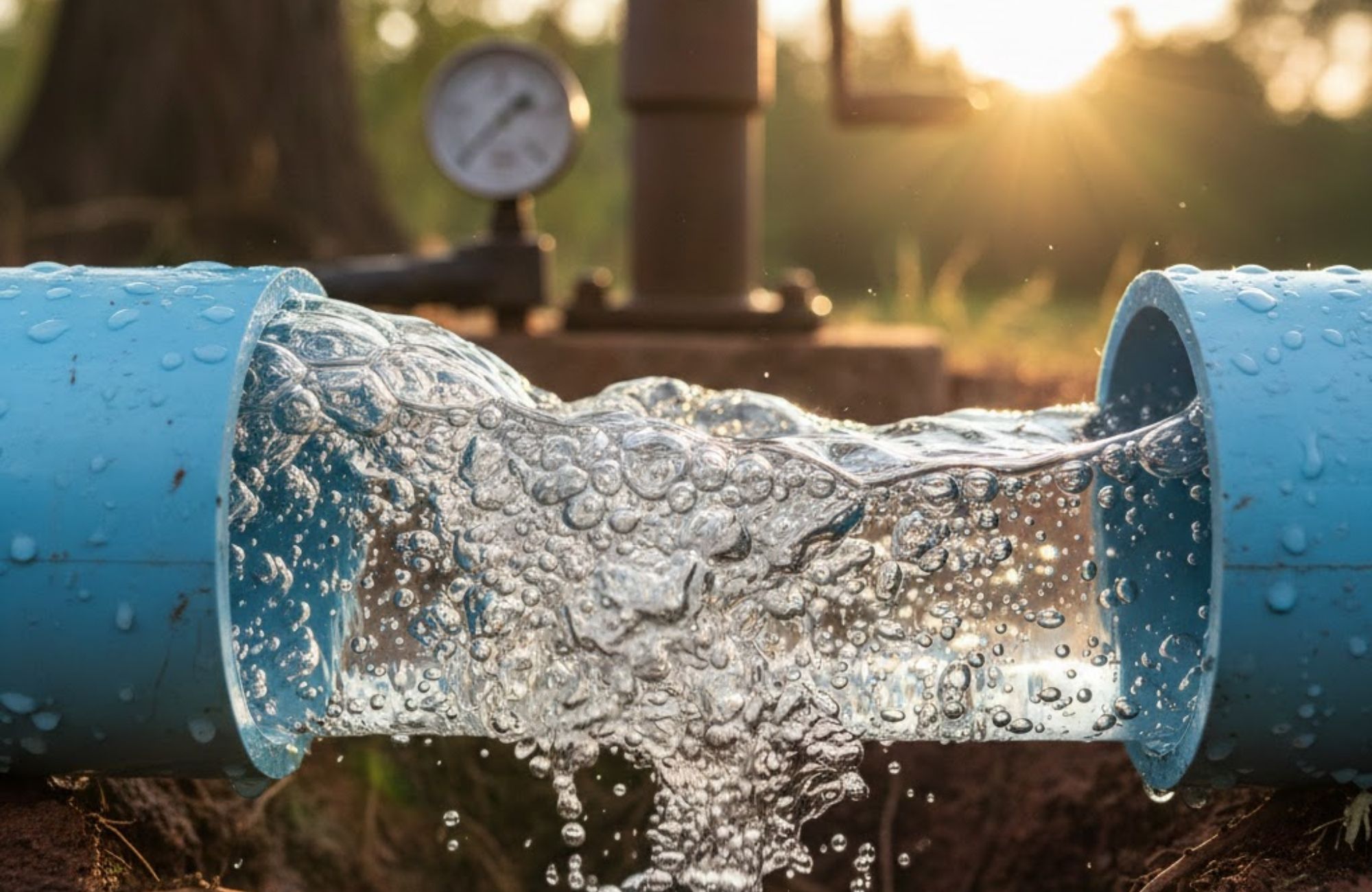
If you are dealing with sputtering faucets, bursts of air, or uneven water pressure in your home, you are not alone. Many homeowners in New Milford, CT and nearby towns like Danbury and Brookfield experience this issue, especially in homes that rely on private well systems. Understanding what causes air in well water lines is the first step toward fixing the problem and protecting your water system from long-term damage.
Air in your well water lines is not just annoying. It is often a warning sign that something in your well pump system, pressure tank, or underground piping is not working as it should. In some cases, the issue is minor. In others, it can lead to pump failure, reduced water pressure, or even a complete loss of water supply if ignored.
If you are currently experiencing air in your water lines or sudden pressure changes, Housatonic Valley Well Pump Services provides emergency well pump service in New Milford, CT, and surrounding areas, with honest diagnostics and upfront pricing.
What Causes Air in Well Water Lines?
Air in well water lines is usually caused by pressure imbalances or mechanical problems that allow air to enter the water system. Unlike city water systems, private well systems rely on pumps, pressure tanks, and valves that must work together to maintain steady water pressure. When one component fails or loses balance, air pockets can form and move through your water lines. Below are the most common causes homeowners encounter.
Waterlogged or Failing Pressure Tank
A failing pressure tank is one of the most common reasons homeowners experience air bubbles and sputtering faucets. The pressure tank is designed to balance air pressure and water pressure so your well pump does not have to start every time you open a tap.
Inside most modern systems is a bladder tank or air tank that separates water from compressed air. Over time, the bladder can rupture or lose air pressure. When this happens, the tank becomes waterlogged and cannot maintain consistent pressure. As water pressure drops, air is pulled into the water lines.
When a Pressure Tank Fails, Homeowners often Notice
- Rapid pump cycling
- Reduced or fluctuating water pressure
- Air bursts from faucets after the pump starts
Inspects pressure tanks using calibrated pressure gauges to confirm proper air pressure and bladder condition. Replacing a failing tank early helps prevent pump damage and keeps your water flow steady. If your home in New Milford or Brookfield is experiencing these symptoms, our team offers professional pressure tank inspection and replacement with same-day service when available.
Faulty Check Valve Allowing Air Backflow
A check valve plays a critical role in well systems by preventing water from flowing backward once it has been pumped into your house. When a check valve becomes worn, stuck open, or improperly installed, it can allow water to drain back toward the well when the pump shuts off. As water drains back, air enters the suction line to fill the empty space. The next time the pump starts, that air is pushed through your water pipes, causing sputtering faucets and uneven pressure.
A faulty check valve often leads to recurring air problems that seem to reset every time the pump cycles. This issue is not visible from inside the home and requires professional testing at the well head or pump assembly. Our pump services include full check valve inspection and replacement to stop air from being introduced into your water system.
Low Well Water Level or Seasonal Water Table Changes
Seasonal changes in the water table are another overlooked reason air gets into well water lines. During dry months or extended periods of low rainfall, groundwater levels can drop. If the water level falls close to the pump intake, the pump may begin sucking air along with water.
This condition is more common in certain parts of Litchfield County, where private wells depend on fractured bedrock or shallow aquifers. When the pump pulls air, homeowners may notice:
- Cloudy or milky water that clears after a few seconds
- Sudden drops in water pressure
- Air pockets in cold water lines
Low water levels are not always permanent, but repeated episodes can shorten the life of your well pump. A professional well inspection can determine whether the pump depth needs adjustment or if other solutions are required to stabilize your water supply.
Cracked Drop Pipe or Well Casing Leak
A cracked drop pipe or damaged well casing can also introduce air into your water system. The drop pipe is the pipe that carries water from the submersible pump up to the surface. If it develops a leak underground, air can be pulled into the system whenever the pump runs.
These leaks often worsen over time and are difficult to diagnose without specialized equipment. Homeowners may experience increasing amounts of air, reduced water pressure, or sudden pump cycling issues. Because these components are underground, repairs should only be handled by a licensed well contractor.
Well Pump Problems Pulling Air Into the System
Pump-related issues are another major contributor to air in water lines. A worn or improperly sized pump can create pressure conditions that pull air into the suction line. This can happen due to:
- Pump cavitation
- Worn seals
- Poor installation
- Aging or undersized pumps
When the pump starts, air pockets move rapidly through the plumbing system, causing sputtering faucets and water hammer. Left unaddressed, pump problems can lead to complete pump failure. If air issues persist despite bleeding the system, a professional pump evaluation is usually required to identify the root cause and prevent further damage.
Signs You Have Air in Your Well Water Lines
Most homeowners first notice air problems through changes in how water flows from their taps. These symptoms can start small but often become more frequent if the underlying issue is not fixed.
Common signs include:
- Sputtering or spitting faucets
- Bursts of air when turning on the tap
- Cloudy waterthat clears after a few seconds
- Rattling or banging pipes, sometimes mistaken for water hammer
- Reduced or inconsistent water pressure throughout the house
If these symptoms occur regularly, especially after the pump starts, air is likely entering your well water system.
Is Air in Well Water Dangerous?
Air in well water is not usually a direct health risk by itself. However, it often indicates mechanical issues that can damage your pump, pressure tank, or plumbing system over time. Repeated air exposure can cause excessive pump cycling, wear on valves, and stress on pipes.
In some cases, dissolved gases like carbon dioxide, methane, or hydrogen sulfide can also contribute to air bubbles or gas release in water. These situations require professional testing to confirm water quality and system safety. Addressing air issues early helps protect your water system and avoids more costly repairs down the line.
How to Get Air Out of Well Water Lines (Temporary Fixes)
Homeowners often try to bleed air from their water lines as a first step. While this can reduce symptoms temporarily, it does not fix the root cause if air continues to enter the system. Before attempting any steps, it is important to understand that bleeding air is only a short-term solution.
A typical temporary approach may include
- Turning off power to the well pump
- Opening the highest and lowest faucets in the house
- Allowing trapped air to escape from the water lines
- Restarting the pump and monitoring water pressure
If air returns shortly after bleeding, the issue is likely related to the pressure tank, check valve, pump, or well water level. At that point, professional diagnosis is the safest and most effective solution.
When to Call a Well Pump Professional
If air continues to return, water pressure keeps dropping, or you experience repeated no-water events, it is time to call a licensed well professional. These symptoms often indicate deeper issues that cannot be resolved through basic plumbing adjustments.
You should seek professional help if:
- Air appears every time the pump starts
- Water pressure fluctuates throughout the day
- You hear frequent pump cycling
- Your home loses water unexpectedly
Conclusion
Understanding what causes air in well water lines helps homeowners take the right steps before minor issues become major repairs. While temporary fixes may reduce symptoms, long-term solutions require proper diagnosis and professional service.
If you are experiencing air in your well water lines in New Milford, CT or nearby towns, Housatonic Valley Well Pump Services is ready to help. We provide fast, reliable diagnostics, honest pricing, and 24/7 emergency service to keep your water flowing safely and consistently. Contact our team today to schedule a professional well system evaluation and restore confidence in your home’s water supply.
FAQs
What causes air to get in well water lines?
Air gets into well water lines when pressure imbalances or mechanical failures allow air to enter the system. Common causes include a failing pressure tank, faulty check valve, low water levels, or pump problems pulling air into the suction line. Identifying the exact source requires professional testing of the well system components.
How to fix air in water lines in a well system?
Fixing air in a well system starts with identifying the root cause. Temporary bleeding may reduce symptoms, but lasting solutions usually involve repairing or replacing pressure tanks, valves, or pumps. A licensed well contractor can test air pressure, water flow, and pump performance to apply the correct fix.
How does air get in the water line?
Air enters water lines when water drains back toward the well or when pressure drops inside the system. This creates empty space that air fills, which is then pushed through the pipes when the pump starts. Leaks, low water levels, or poor installation can all contribute to this issue.
What is the remedy to remove accumulated air from a water line?
The remedy depends on the cause. While bleeding air from faucets can provide temporary relief, permanent solutions usually involve repairing system components that introduce air. Scheduling a professional diagnostic evaluation helps ensure the issue is fixed correctly and does not return.