


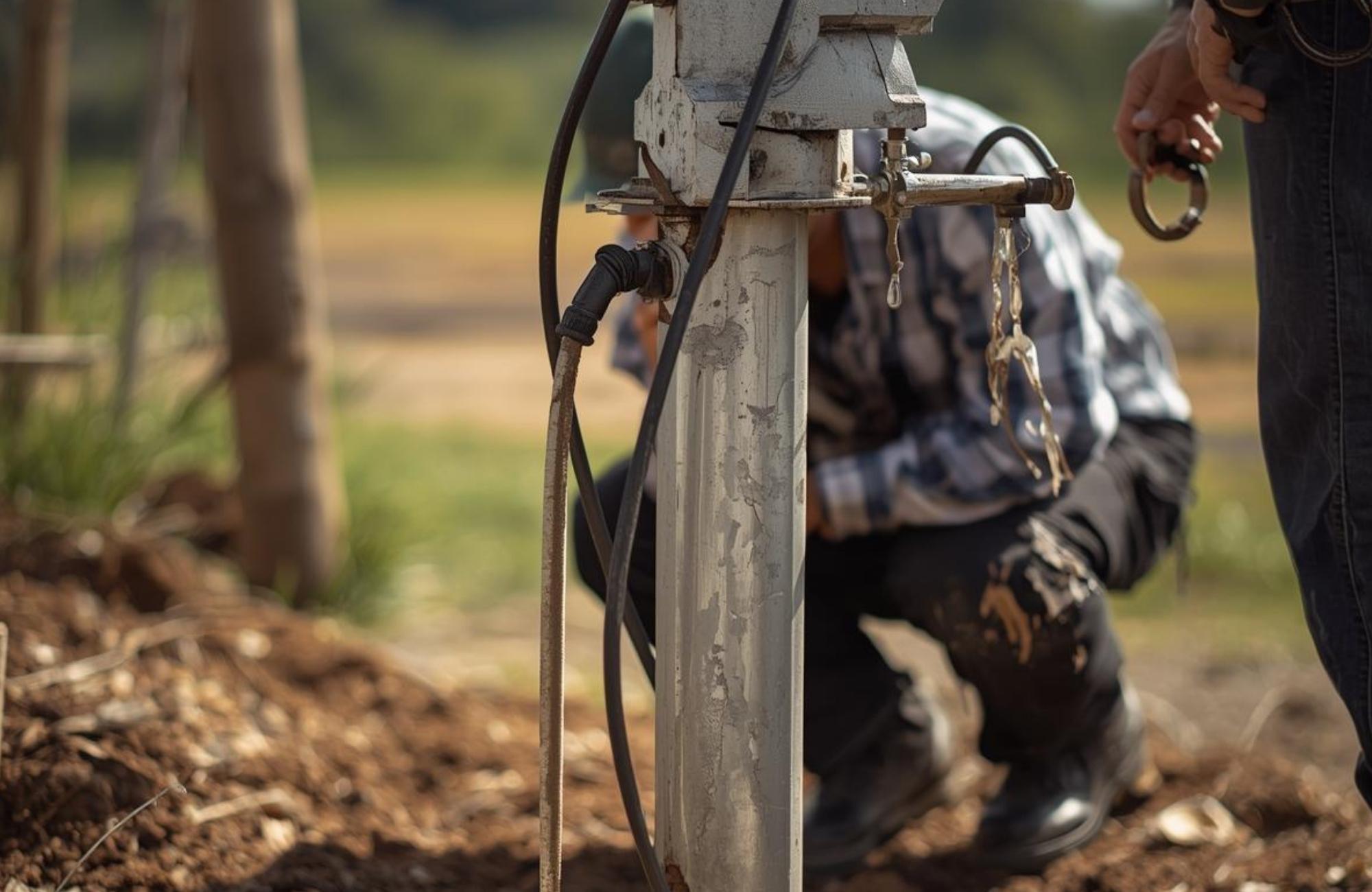
If your Connecticut home relies on a private well, regular inspections are essential. A well inspection near me helps ensure your drinking water is safe and your system runs properly. These inspections protect your family’s well-being, maintain your well’s integrity, and prevent long-term issues that can affect water quality. It’s also important to verify that the well service company is licensed and insured. This confirms they meet state requirements and gives you peace of mind about the quality of service.
Private well owners in Connecticut are responsible for maintaining the quality and performance of their wells. A comprehensive well inspection helps detect potential problems before they become serious. This guide explains what a well inspection entails, how often it should be done, the estimated cost, and why it matters, giving you a fact-based view to make informed decisions for your water system.
What Does a Well Inspection in Connecticut Include?
A well inspection is a thorough evaluation of both the structural and water-quality aspects of your private well system. Key components typically evaluated during a well inspection include pump performance testing, which measures the flow rate, tests the pump’s pressure and electrical current draw, and monitors the water level as the pump runs.
Key Components Inspected During a Well Inspection
- Wellhead and Casing Inspection
The wellhead and casing are crucial parts of the system. The wellhead must be properly sealed to prevent contaminants from entering, while the casing ensures the structural integrity of the well. A visual inspection helps detect cracks, leaks, or damage to these components, ensuring they remain intact and functional. - Pressure Tank and Pump Evaluation
The pressure tank and pump are vital for consistent water flow and pressure. A thorough inspection will assess the condition of both components, checking for signs of wear, damage, or poor performance. The goal is to verify they are functioning properly and efficiently. - Water Quality Testing
Water quality is one of the most important aspects of a well inspection. A reliable service will collect water samples and test them for contaminants such as bacteria (e.g. coliform/E. coli), nitrates, iron, arsenic, and other harmful substances. Ensuring that well water is safe for consumption is critical for the health of your household. - Flow Rate or Yield Test
A flow test measures how much water your well can produce. This is especially important for households with high water usage. A flow rate test shows whether your well is meeting your daily water needs. It also helps identify if the system needs adjustments to maintain a steady and reliable water supply. - System Integrity Check
Inspectors will also evaluate the overall integrity of the water system. This includes checking the pipes, seals, valves, and other connections (including those to septic systems, if applicable) to detect leaks or potential contamination pathways. Ensuring the system’s overall condition is vital for maintaining safe, reliable water.
Why Well Inspections Matter (Especially in Connecticut)
In Connecticut, private well owners are responsible for maintaining the safety and efficiency of their well systems. Well inspections are essential to ensure that the water system remains in good condition and that drinking water remains safe. Below are some key reasons why regular inspections matter:
Water Safety and Health Protection
The primary concern for homeowners with private wells is the safety of their drinking water. Wells can harbor bacteria or contaminants such as nitrates and iron that are not visible, odorous, or easy to detect by taste. According to the Guidelines for testing well water of Centers for Disease Control and Prevention (CDC), private well owners should test their well water at least once every year for total coliform bacteria, nitrates, total dissolved solids, and pH levels to ensure water safety. Regular water quality testing, combined with routine inspections, is often the only reliable way to confirm that your well water is safe. Identifying harmful contaminants early helps prevent potential health hazards and protects your family’s well-being.
Preventing Long-Term System Failure
Aging pumps, cracked casings, or failing pressure tanks can lead to expensive breakdowns if left unchecked. Routine inspections help identify these issues early, saving homeowners money on repairs and prolonging the life of the system.
Compliance During Real Estate Transactions
If you plan to sell or purchase a home with a private well, a well inspection is often required to ensure that the system is in compliance with local health and safety regulations. A regular well inspection gives buyers and sellers peace of mind regarding the system’s performance and water quality. Inspectors should also provide unbiased reports to ensure transparency and fairness for both parties involved in the transaction.
Documenting Water Quality Over Time
Regular testing builds a record of your water quality, making it easier to spot changes in your water supply. This is particularly helpful in Connecticut, where environmental changes such as heavy rainfall or flooding can affect the well’s performance and water quality.
How Often Should You Inspect Your Well?
While Connecticut doesn’t have a legal requirement for private well inspections, health and safety experts recommend a regular schedule to keep your well system functioning safely and efficiently. Annual water testing and a full-service inspection every 10 years are generally recommended to ensure the long-term safety and performance of your well.
Recommended Inspection Schedule:
- Annually: Routine inspections should be scheduled every year to ensure that your water system is working properly and your drinking water is safe.
- After Severe Weather: If your area experiences heavy rain, flooding, or other extreme weather events, it’s a good idea to have your well inspected for contamination or damage.
- When Buying or Selling a Home: Well inspections are often required during real estate transactions to confirm the water system is safe and functional.
What Does a Well Inspection Cost in Connecticut?
The cost of a well inspection in Connecticut varies based on factors such as the depth of the well, the complexity of the inspection, and additional services (e.g., water quality testing or flow rate analysis). On average, homeowners can expect to pay between $200 and $500 for a basic well inspection.
Breakdown of Costs:
- Basic Inspection: A visual inspection of the wellhead, casing, and pressure tank generally costs $200 to $300.
- Comprehensive Inspection: A more detailed inspection that includes water quality testing and flow rate testing may cost $400 to $500.
- Additional Services: Tests for arsenic, nitrates, or septic system evaluations may increase the cost of the inspection.
Common Signs That Indicate You Need a Well Inspection
It’s important to recognize the signs that your well system may need an inspection. Here are some of the most common indicators that it’s time for a professional evaluation:
Signs You Need a Well Inspection:
- Low Water Pressure: A sudden decrease in water pressure may indicate a malfunctioning pump or pressure tank.
- Strange Taste or Odor: Drinking water with a strange taste or odor (e.g. metallic taste, sulfur smell) may be contaminated with iron, bacteria, or nitrates.
- Discolored Water: If the water is brown or cloudy, it may indicate rust or sediment in the well.
- Frequent Pump Cycling: If the pump cycles on and off frequently, it could be a sign of a malfunctioning pressure tank or an overworked pump.
If you notice any of these issues, it’s time to schedule a well inspection to ensure your water system is functioning properly.
Conclusion
A well inspection near me is essential for homeowners in Connecticut who rely on private wells for their water system. Whether you need to address issues like low water pressure, unsafe water quality, or simply want to ensure your system is operating efficiently, scheduling a regular well inspection is a proactive step that can save you time, money, and headaches in the long run.
If you’re ready to take the next step in protecting your home’s water supply, Housatonic Valley Well Pump Services offers trusted, thorough inspections for homeowners across Connecticut.By choosing a professional well inspection service in Connecticut, you can ensure your water system remains in top condition, your drinking water stays safe, and your system continues to function reliably for many years. Contact us today to schedule your well inspection near CT and ensure your water system is functioning properly and safely.
FAQs
Is a well inspection required by law in Connecticut?
A well inspection is not legally required for private wells in Connecticut, but regular inspections are strongly recommended for water safety. Well inspections are typically required during real estate transactions to ensure the water system is functioning properly.
How often should I test my well water?
It is recommended to test your well water at least once a year, especially for bacteria, nitrates, and iron. Additional tests may be needed after extreme weather or if any components of the well system are repaired.
What contaminants should I test for?
The most common contaminants to test for during a well inspection are bacteria, nitrates, iron, and arsenic. Depending on the location of the well, you may also need to test for additional contaminants like sulfur or heavy metals.
How much does a well inspection cost?
The average cost of a well inspection in Connecticut ranges from $200 to $500, depending on the complexity of the inspection and any additional services required.