


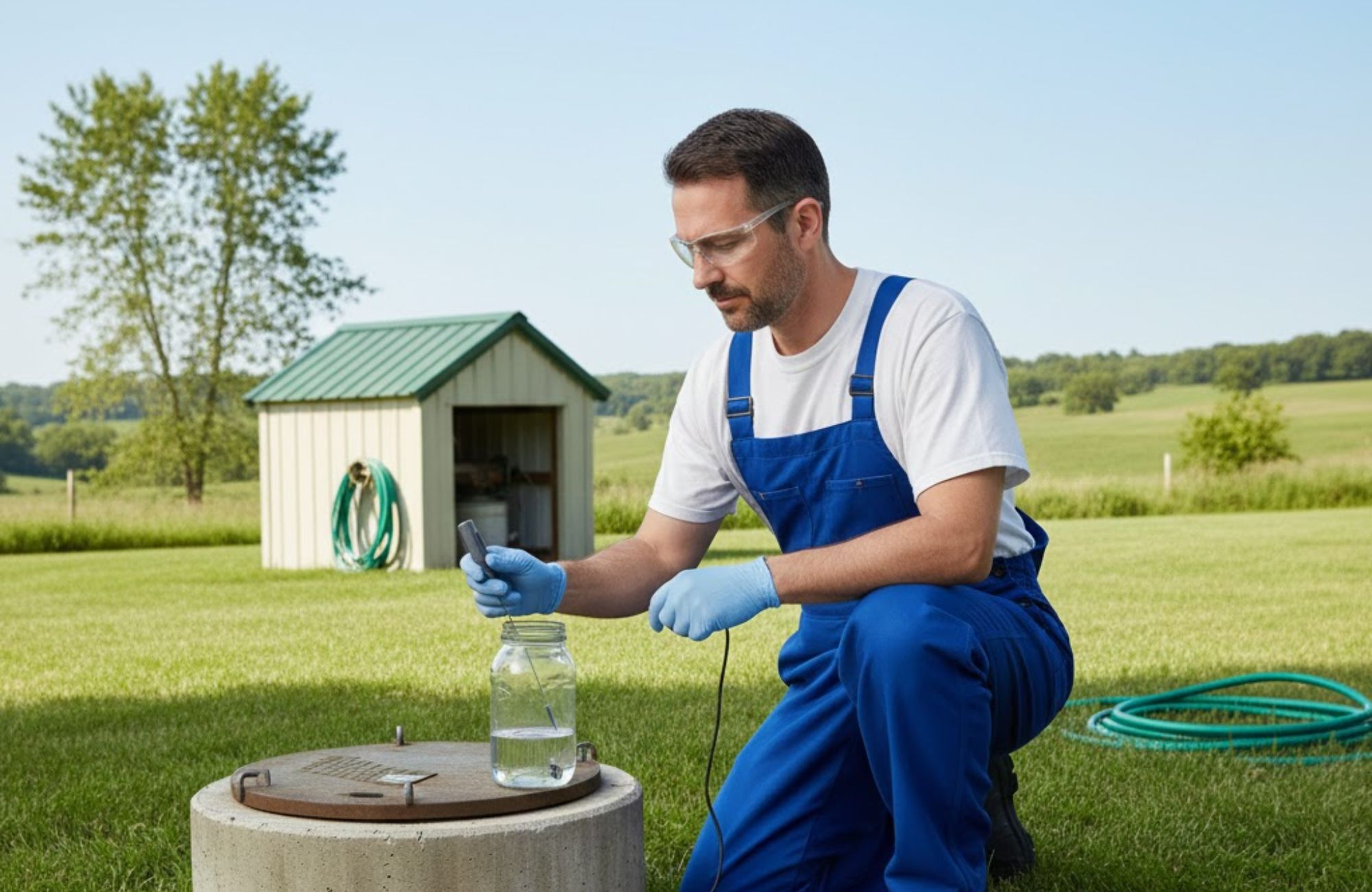
When considering well inspection costs in Litchfield County, CT, several factors affect the final price. A well inspection ensures your private well is safe and functional. On average, inspections range from $250 to $500, but depth, water quality, and extra services like septic checks can increase the cost. Unlike city water, private well owners handle maintenance, testing, and safety monitoring themselves.
At Housatonic Valley Well Pump Services, we provide professional well inspections with upfront pricing and free quotes. Whether you’re dealing with low water pressure, concerns about water quality, or preparing for a home inspection, our team is dedicated to ensuring that your well is functioning optimally. For additional guidance, homeowners should consult their local health department to find certified well inspectors and access water testing resources.
What Is a Well Inspection and Why Is It Important?
A well inspection is a complete checkup of your well system, including its mechanical components and water quality. The process typically involves visually inspecting the well cap, casing, and other parts to spot any signs of damage, corrosion, or contamination risks. A professional inspector will also assess the pressure tank, pump motor, electrical components, and flow rate, while testing the water for harmful contaminants like arsenic, iron, and bacteria.
Well inspections are important for maintaining a reliable water supply. They help catch issues early, preventing costly repairs or potential contamination. Regular inspections make sure your well system is working properly, keeping your water clean and safe for use throughout the year.
Main Factors That Can Influence the Cost of a Well Inspection
- Well Depth and System Complexity: The depth of your well plays a significant role in determining the inspection cost. Shallow wells are easier and quicker to inspect, making them less expensive. On the other hand, deeper wells require specialized equipment and take more time to inspect, which increases the cost. Additionally, the complexity of the well system affects the price. For example, submersible pumps, often used in deep wells, are harder to access and inspect compared to jet pumps, which are typically found in shallower wells and are easier to service. Frequent pump cycles can also signal mechanical issues with the pump, pressure tank, or wiring, which may require further inspection or maintenance.
- Water Quality Testing: Water quality testing is commonly included in well inspections to ensure your water is safe for drinking and other household uses. The cost of water testing can vary depending on what’s being tested for, such as bacteria, metals, or other contaminants. Testing for volatile organic compounds, iron, sulfur, and bacteria adds to the overall cost. In areas with known water quality concerns, more extensive testing may be necessary, further increasing the inspection price.
- Well Type and Age: Older wells may require more detailed inspections, which can increase the cost. Well components like the pressure relief valve, pressure tank, pump motor, and well cap might need closer inspection, especially if they have been in use for many years. Older wells may also have outdated pipe connections (such as lead solder), which could pose a contamination risk and require additional testing to ensure water safety.
- Location of the Well: The location of your well can also impact inspection costs. If the well is located in a remote area or difficult-to-access spot, additional travel fees and time may be added to the inspection cost. Homes in more rural or hard-to-reach areas may incur extra charges for the technician’s travel.
How Often Should You Have Your Well Inspected?
It is recommended that homeowners schedule a well inspection at least once per year. Regular inspections help ensure that your private well system remains in good working condition and can avoid major problems. However, some signs may indicate that you need a well inspection sooner.
When Should You Schedule a Well Inspection?
- Low Water Pressure: If you experience low water pressure in your home, it may indicate a problem with the pump motor or pressure tank.
- Water Quality Concerns: If your water looks cloudy, changes in the water’s taste, tastes odd, or smells unpleasant, it’s time for a water quality test to check for contaminants.
- Buying or Selling a Home: If you’re purchasing a home with a private well, it’s essential to have the system inspected before closing.
- Well System Age: Older well systems, especially those more than 10 years old, should be inspected more frequently.
What Happens During a Professional Well Inspection?
A professional well water inspection typically covers the entire water system, including all major components, to ensure safe, efficient, and reliable water access. Here’s an overview of the steps involved in a well inspection:
Key Steps in a Well Inspection
- Visual Inspection of Well Cap and Casing: The technician will begin with a visual inspection of the well cap and well casing to check for cracks, damage, or signs of contamination. A well cap that is not properly sealed can allow contaminants to enter the well, which could compromise the water quality.
- Pump Motor and Pressure Tank Inspection: The pump motor and pressure tank will be tested to ensure that the system is maintaining the proper water pressure. A malfunctioning pump or tank could cause inconsistent water flow and increased energy consumption.
- Water Quality Testing: A water sample will be taken and sent to a lab for testing. The technician will check for contaminants like iron, arsenic, and bacteria. If necessary, more extensive water testing may be done to check for volatile organic compounds (VOCs) or other contaminants.
- Flow Rate Test: A flow rate test measures how much water your well produces per minute. This test ensures that your well can meet the water demands of your home, particularly in times of high water usage. Additionally, a flow test is performed to evaluate the well’s output and recovery rate.
- Septic System Inspection (Optional): If your well system shares a connection with a septic system, the technician may perform a septic inspection to ensure there is no contamination between the two systems.
- Mechanical Components Check: The technician will inspect the mechanical components of the well, such as the pressure relief valve, control box, and water pump. The inspection also includes checking the storage tank, pump pressure tank, and other mechanical components for wear or corrosion. The technician will check for faulty gauges as part of the mechanical assessment. The pressure relief valve ensures the well system doesn’t exceed the recommended pressure, while the control box regulates the pump.
- Detailed Report: After the inspection, the technician will provide you with a report detailing any necessary repairs or maintenance. The report will include any recommended repairs or upgrades that may be necessary to ensure the system continues to function efficiently.
Importance of Flow Rate in Well Inspections
A key part of any well inspection is the flow rate test, which measures how efficiently your well delivers water. It shows how quickly the well refills after a set amount is drawn, indicating whether it can meet your household’s needs. Low flow rates may signal a declining water table, blockages, or pump issues. Regular testing helps detect problems early, preventing water shortages and costly repairs.
Pressure Tank Maintenance and Its Role in Well Health
The pressure tank is a vital component of your well system, responsible for maintaining consistent water pressure and ensuring a steady water supply throughout your home. Routine maintenance of the pressure tank is key to the overall health of your well system. This includes checking the pressure gauge, inspecting for signs of rust or leaks, and making sure the tank is functioning properly. A well-maintained pressure tank helps prevent fluctuations in water pressure, reduces strain on the pump, and minimizes the risk of contamination. Ignoring pressure tank maintenance can lead to issues like low water pressure, increased energy bills, and even compromised water quality. By keeping your pressure tank in good condition, you help ensure your water supply remains reliable and safe.
Inspecting a Well for Safety
Safety comes first in every well inspection. Inspectors check mechanical parts, the well cap, and casing for cracks, corrosion, or tampering, ensuring proper sealing. They assess the surrounding area for pollution and inspect ventilation. Electrical components, including the control box and wiring, are tested for safety. By reviewing both mechanical and electrical systems, inspectors protect drinking water and keep the well running efficiently.
Private Well Regulations and Maintenance in Connecticut
Connecticut has specific regulations and guidelines to help private well owners maintain a safe and reliable water supply. The Environmental Protection Agency (EPA) also recommends regular inspections and prompt repairs to address any issues with the well system or other contaminants. By following these state and federal guidelines, private well owners can protect their water supply, avoid costly repairs, and help safeguard the environment from potential contamination. Regular maintenance and adherence to regulations are essential for the long-term health of your private well.
What Happens If Your Well Fails Inspection?
If your well fails inspection, this is referred to as a failed well inspection and may require repairs or upgrades to address safety concerns or improve performance. A failed well inspection can result from issues with the well and septic system, especially if inadequate wastewater treatment leads to contamination or other problems. Failed well inspections often point to issues with water quality, mechanical components, or the pressure tank. Combined well and septic inspections are important for identifying cross-contamination risks and ensuring both systems function safely. It’s important to address any issues immediately to prevent further damage and protect your water supply.
Common Reasons a Well Fails Inspection
- Contaminated Water: If the water contains harmful bacteria or high levels of arsenic or iron, the system may fail the inspection.
- Pump or Pressure Tank Issues: If the pump motor or pressure tank is malfunctioning, it can affect water flow and pressure, resulting in a failed inspection.
- Flow Rate Problems: If the well cannot provide enough water flow, it will fail the inspection. This may require upgrading the system to increase flow capacity.
- Septic Contamination: Wells connected to a septic system may fail inspection if contamination is found.
Conclusion
Regular well inspections are essential for maintaining the safety and efficiency of your private well system. These inspections help identify potential issues early, make sure your water supply remains safe, and your system functions properly year-round. By scheduling a professional inspection, you can prevent costly repairs and ensure clean, safe water.
If you need a well inspection or have questions about well inspection costs, water quality testing, or septic system checks, contact Housatonic Valley Well Pump Services today. Our licensed professionals are ready to make sure your water supply is safe and reliable for your family’s needs. Contact us today to schedule an inspection or request a free quote.
FAQs
How much does it cost to get a well inspected?
The cost of a well inspection in Litchfield County, CT typically falls within inspection ranges of $250 to $500. The final price depends on several factors, such as the well depth, the need for water testing, and whether a septic inspection is included.
What is a water well inspection?
A water well inspection is a service that involves checking the mechanical components of your well system, including the pump motor, pressure tank, casing, wiring, pipe connections, and other critical parts, as well as performing water quality tests to ensure the water is safe for drinking. The inspection includes assessing the well’s mechanical components for proper function.
How often should I inspect my well?
Have your well inspected at least once a year. If you notice low water pressure, cloudy water, or unusual tastes, schedule an inspection right away.
What are the 7 steps of the inspection process?
The 7 steps of a well inspection include:
- Visually inspecting the well casing and well cap
- Pump and pressure tank check
- Water quality testing
- Flow rate testing
- Septic system inspection (if needed)
- Detailed report of findings
- Recommended repairs or improvements