


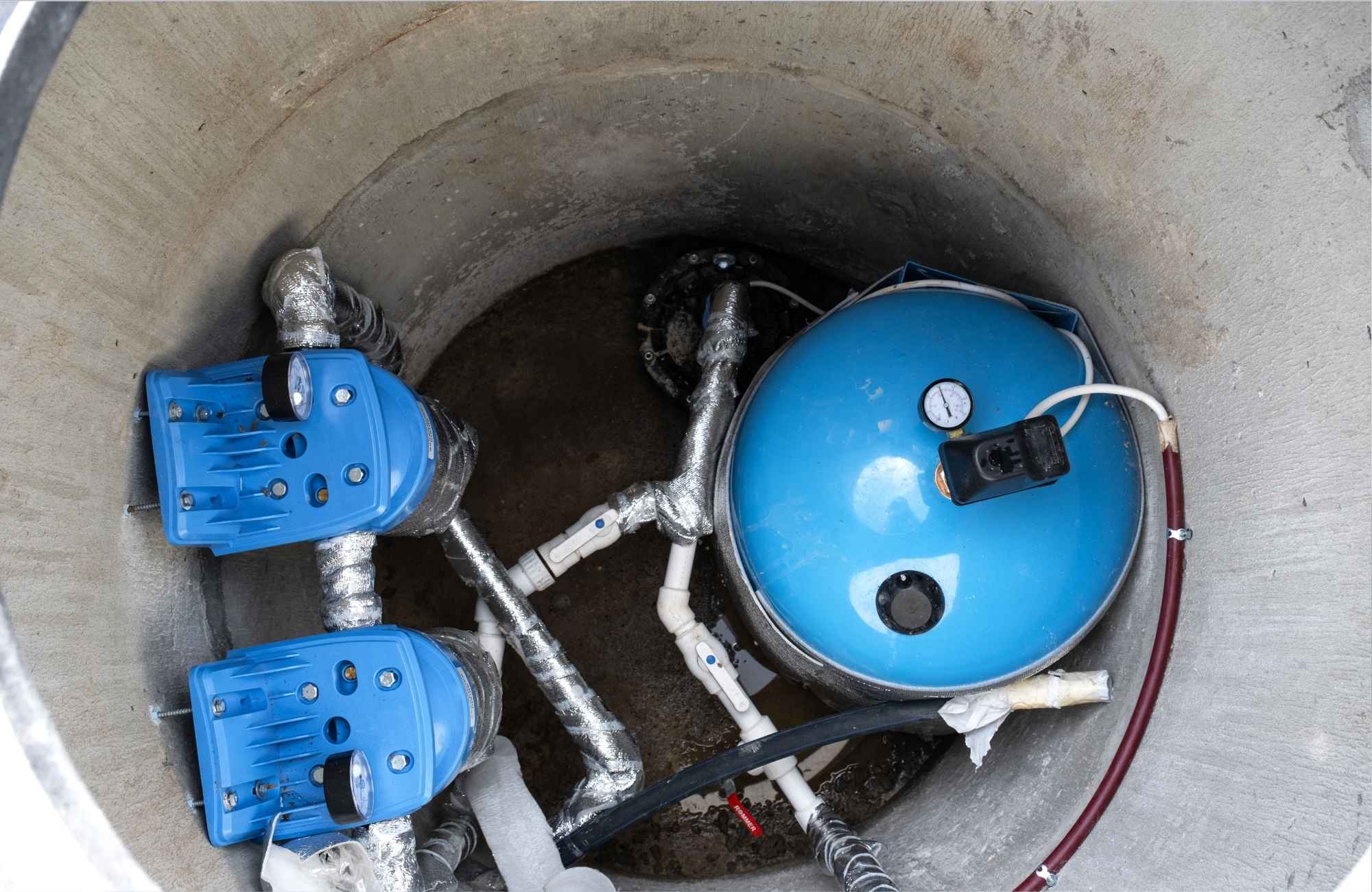
A residential water well system provides a reliable source of drinking water by drawing water from underground and delivering it directly into your home. Unlike city water, these systems rely on a combination of a well pump, pressure tank, and connected components to maintain consistent water pressure, flow, and quality. For many homeowners, especially those using private water sources, a well system is the backbone of everyday life.
Understanding how your well system works is important because even small issues can affect your entire water supply. Low pressure, air in the lines, or unusual noises often point to problems with the pump, pressure switch, or tank. Over time, wear, sediment, or contamination can impact both performance and water quality if not addressed early.
If your system is showing signs of trouble or you want to avoid costly repairs, professional well pump services can help. Contact our team today to schedule an inspection and keep your water system running safely and efficiently.
What Is a Residential Water Well System?
A residential water well system is a private water system that pulls groundwater from below the surface and delivers it into your home using a pump and pressure system. It provides an independent water supply for households that do not rely on city water.
Most systems draw water from underground aquifers, which are natural layers of rock and soil that store water. A well casing is installed to protect the water source and prevent contamination from surface debris or pollutants. Once installed, the system uses a pump to move water through pipes and into the home.
Properly maintained private wells can provide safe and reliable drinking water for many years. However, because homeowners rely on their own equipment, regular inspection and maintenance are essential to keep the system working properly. A complete well system includes several main components working together to maintain consistent pressure, flow, and safety.
How a Residential Well System Works
A residential well system works by pulling water from the ground and storing it in a pressure tank, which then distributes water throughout your house. The system automatically adjusts based on pressure levels to maintain a steady flow.
When you turn on a faucet, water is released from the pressure tank. As the system pressure drops, a pressure switch signals the pump to turn on. The pump then draws water from the well and refills the tank until the desired pressure is reached. This continuous cycle allows the system to maintain consistent water flow without the pump running constantly, which helps protect the motor and extend its lifespan.
Here is how the system operates step by step:
- The pump draws water from underground
- Water is pushed through a pipe into the tank
- The tank stores water and maintains pressure
- Water flows through the house when needed
- The pump turns back on when the pressure drops
This process ensures your household always has access to clean water with stable pressure.
Main Components of a Residential Water Well System
A residential well system includes several well components that work together to deliver water safely and efficiently. If one part fails, the entire system can be affected. Understanding these components helps homeowners identify issues early and maintain system performance over time.
The most important parts include:
- Well pump – Moves water from the ground into the home
- Submersible pump – Installed deep in the well and commonly used for deeper systems
- Jet pump – Used for shallow wells and located above ground
- Pressure tank – Stores water and maintains system pressure
- Pressure switch – Controls when the pump turns on and off
- Pressure gauge – Monitors system pressure levels
- Check valve – Prevents water from flowing backward
- Well casing and cap – Protect the well from debris and contamination
- Pitless adapter – Connects underground pipes to the home without freezing
Each of these components plays a role in maintaining water pressure, flow, and system reliability. When properly installed and maintained, they ensure your system operates efficiently.
Common Problems in Residential Well Systems
Residential water systems are reliable, but they can develop issues over time due to wear, environmental factors, or equipment failure. Identifying these problems early can prevent major system damage. One of the most common issues is low water pressure, which often points to a problem with the pressure tank or pressure switch. Other problems may involve sediment buildup, leaks, or pump failure.
Here are common issues homeowners experience:
- Low or fluctuating water pressure
- Pump running constantly or short cycling
- No water is coming into the house
- Air in the water lines
- Too much sediment in the water
- Rotten egg smell caused by sulfur bacteria
These problems can affect both system performance and water quality. If left unresolved, they can lead to complete system failure or contamination risks. If you notice any of these signs, it is best to schedule a professional inspection to diagnose the issue and prevent further damage.
Signs Your Well System Needs Repair
A well system often shows warning signs before it fails. Recognizing these signs early can help you avoid costly repairs and unexpected loss of water supply. Many homeowners wait until they lose water completely before calling for help, but early symptoms usually appear first. Changes in pressure, unusual noises, or increased energy usage are common indicators of a problem.
Watch for these signs:
- Sudden drop in water pressure
- Pump turns on and off frequently
- Water sputtering or air in pipes
- Higher electric bills due to pump overuse
- Cloudy water or visible contaminants
These symptoms usually indicate issues with the pump, tank, or system pressure. Addressing them early helps maintain system performance and reliability. If you are experiencing any of these issues, our team can quickly diagnose the problem and restore your water system.
When to Schedule a Well Inspection
Regular inspection is essential for maintaining your well system and protecting your drinking water. Many issues develop slowly and are not visible until they become serious problems. Organizations like the Water Systems Council recommend annual inspections and periodic testing to ensure water safety and system performance.
You should schedule an inspection if:
- You notice changes in water quality or pressure
- Your system has not been inspected in over a year
- You are buying or selling a home
- You suspect contamination or equipment failure
Professional inspections often include taking water samples, checking system pressure, and evaluating components like the pump and tank. Routine inspections help ensure your water remains safe and your system continues to operate efficiently.
How to Maintain Your Residential Well System
Proper maintenance is key to extending the lifespan of your well system and ensuring safe drinking water. Regular upkeep helps prevent contamination, equipment failure, and costly repairs. Maintenance involves checking system pressure, inspecting components, and monitoring water quality. Small issues, if addressed early, are much easier to fix.
Here are important maintenance steps:
- Test water quality regularly for contaminants
- Check pressure levels using a pressure gauge
- Inspect pipes, tank, and fittings for leaks
- Keep the well cap sealed to prevent debris
- Schedule professional service when needed
The Centers for Disease Control and Prevention also recommends routine testing for private wells to ensure safe drinking water. Consistent maintenance helps your system remain reliable and protects your household from potential health risks.
Benefits of Residential Water Well Systems
Residential well systems offer several advantages over city water, especially for homeowners who want control over their water supply and quality. One of the main benefits is independence. Homeowners with private wells are not affected by municipal water issues or restrictions. This provides a reliable water supply even during outages or shortages.
Additional benefits include:
- No monthly water bills
- Control over filtration and water quality
- Access to naturally filtered groundwater
- Long-term cost savings
However, these benefits come with responsibility. Proper maintenance and regular inspections are necessary to ensure a safe and consistent water supply.
Conclusion
Residential water well systems provide a reliable and independent source of drinking water, but they require proper care to maintain consistent performance. From the well pump and pressure tank to system pressure and water quality, every component plays a role in delivering safe and steady water throughout your home. Addressing small issues early helps prevent system failure, costly repairs, and contamination risks.
If you need expert help with your well system, Housatonic Valley Well Pump Services provides professional well pump services, inspections, and system diagnostics. Contact us today to keep your water system running smoothly and safely for years to come.
FAQs
How does a residential well water system work?
A residential water well system works by using a pump to draw water from underground and deliver it into your home through a pressure tank. When water is used, the pressure drops, and the pressure switch signals the pump to turn on. This keeps water flowing consistently throughout your house with stable pressure.
What is the best system for well water?
The best system for well water depends on your water depth, usage, and water quality needs. Most homes use a submersible pump paired with a pressure tank for reliable performance. In addition, filtration systems like water softeners or whole-house filters are often recommended to improve water quality and protect your system.
What are the components of a residential well?
A residential well system includes several key components that work together to deliver water. These include the well pump, pressure tank, pressure switch, pressure gauge, well casing, and piping. Each part plays an important role in maintaining proper water pressure, flow, and overall system performance.
What are the three types of wells?
The three basic types of wells are dug wells, driven wells, and drilled wells. Dug wells are shallow and more prone to contamination, while driven wells are slightly deeper but still limited. Drilled wells are the most common for residential systems because they reach deeper groundwater and provide a more reliable water supply.