


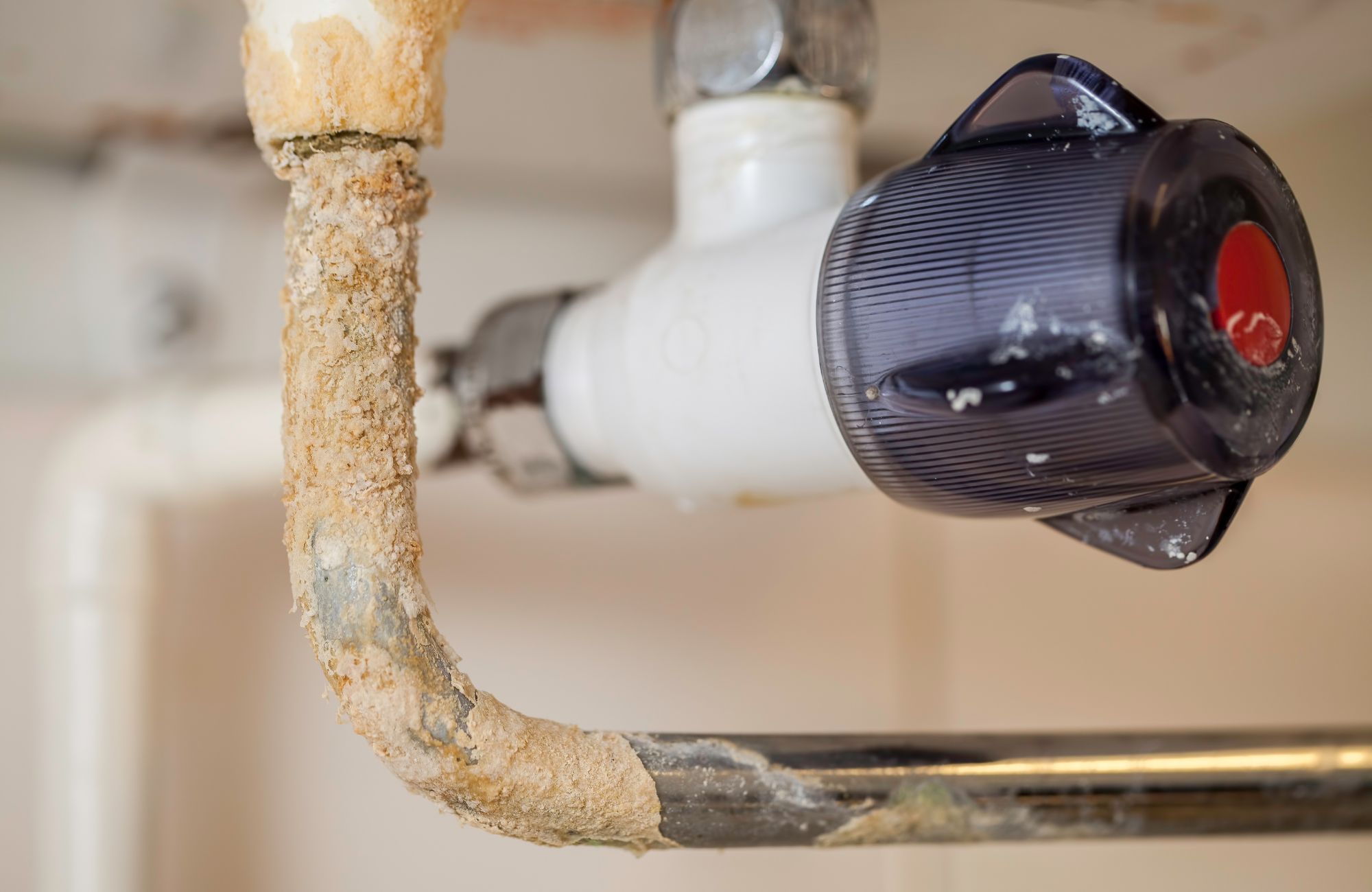
If you are wondering how hard water damage can affect plumbing, you are not alone. Many homeowners across Housatonic Valley, Western Connecticut, and nearby Litchfield County communities live with hard water every day without realizing the slow damage it causes inside their plumbing system. Hard water does not usually cause a sudden failure. Instead, it creates mineral buildup that quietly reduces water flow, stresses internal components, and leads to costly repairs over time.
At Housatonic Valley Well Pump Services, we see firsthand how untreated hard water shortens the life expectancy of pipes, water heaters, and appliances in local homes. Understanding what hard water does and how to stop it early can help you avoid frequent repairs, higher utility bills, and premature replacements. If you suspect hard water issues in your home, scheduling a professional water quality test and plumbing inspection is the best first step to protect your system and save money long term.
What Hard Water Is and Why It Damages Plumbing
Hard water is water that contains high levels of dissolved hard minerals, primarily calcium and magnesium. These minerals enter the water supply as it flows through rock and soil underground. In normal circumstances, these minerals are not harmful to drink, but they are very hard on plumbing systems.
The damage happens when hard water flows through pipes and fixtures. As water heats or slows down, minerals build up and form solidified scale deposits. Over time, this mineral buildup clings to pipe walls, valves, faucets, and internal plumbing components. Unlike dirt or debris, scale does not rinse away. It hardens and continues to grow with every use of hot water.
In areas like Housatonic Valley and surrounding Litchfield County communities, water hardness levels are high enough that untreated systems often experience problems much sooner than homeowners expect. According to the U.S. Geological Survey, water is considered hard when hardness exceeds 120 mg/L (7 grains per gallon), which is common in many parts of Western Connecticut and the Northeast.
How Hard Water Damage Plumbing Pipes Over Time
Hard water damages plumbing by gradually restricting the circulatory system of your home. Pipes are designed to allow steady water flow. When mineral deposits form inside them, that flow becomes restricted, uneven, and pressurized.
Several Problems Develop Over Time
- Scale buildup inside pipes narrows the interior diameter, forcing water to push through smaller openings.
- Low water pressure becomes noticeable at sinks, shower heads, and faucets.
- Increased pressure stress occurs at joints, bends, and valves, raising the risk of leaks.
- Corrosion acceleration can happen when minerals trap moisture against steel pipes or older metal materials.
PEX pipes handle hard water better than older steel pipes, but even modern plumbing is not immune. Hard water deposits can clog pipes of any material if left untreated. Once the buildup reaches a certain point, cleaning alone may not restore proper flow, leading to expensive pipe repairs or replacement.
The U.S. Department of Energy reports that mineral buildup inside water systems can reduce water heater efficiency by up to 24 percent over time, forcing systems to use more energy to deliver the same amount of hot water.
Which Plumbing Components Are Hit the Hardest by Hard Water
Hard water does not affect all parts of the plumbing system equally. Some components experience damage faster because of heat, pressure, or narrow internal passages.
Water Heaters and Boilers
Water heaters are usually the first major system affected. As hot water heats calcium and magnesium, minerals build rapidly at the bottom of the tank or along heating elements. This scale buildup reduces efficiency, forces the unit to work harder, and significantly decreases its life expectancy. Many homeowners notice higher utility bills or strange popping noises long before they realize hard water is the cause. According to Whirlpool, hard water buildup on water heaters can cause them to lose up to 50% of their efficiency, leading to more frequent repairs and higher operational costs.
Pipes and Valves
Minerals build up along pipe walls and inside valves, reducing water flow and increasing internal pressure. Over time, this can cause leaks, corrosion, or complete blockage in severe cases.
Fixtures and Appliances
Faucets, shower heads, washing machines, and dishwashers suffer from clogged internal components. Hard water leaves white residue, stains, and scale deposits that interfere with normal operation and shorten appliance life. If your water heater is losing efficiency or your fixtures clog frequently, a professional plumbing evaluation can help prevent permanent damage before replacement becomes necessary.
Early Warning Signs that Hard Water Is Damaging Your Plumbing
Hard water damage rarely announces itself with a single obvious problem. Instead, homeowners notice a pattern of small issues that gradually worsen. Recognizing these signs early can help you take proactive steps before major repairs are needed.
Common warning signs include:
- White residue or hard water stains on faucets, sinks, and shower heads
- Low water pressure throughout the home
- Frequent clogs in drains and fixtures
- Dry or itchy skin and poor soap lather
- Noisy water heaters or longer hot water recovery times
- Rising utility bills without increased water use
These symptoms often appear months or even years before serious plumbing damage occurs. In Housatonic Valley and surrounding Litchfield County homes, ignoring these signs is one of the most common reasons we see frequent plumbing repairs.
How Fast Does Hard Water Damage Plumbing? A Realistic Timeline
Hard water damage begins much sooner than most homeowners expect. While the damage may not be visible right away, it starts inside the system almost immediately.
| Timeframe | What Is Happening Inside the Plumbing | Risk Level |
|---|---|---|
| 0–6 months | Early mineral deposits form in pipes and fixtures | Low |
| 6–24 months | Scale buildup restricts water flow and heater efficiency | Medium |
| 2–5 years | Pipe stress, leaks, appliance failure, heater breakdown | High |
Homes with high water hardness and frequent hot water use experience damage faster. Regular maintenance can slow this process, but removing minerals is the only way to stop it entirely.
How to Stop Hard Water from Damaging Plumbing
Stopping hard water damage requires addressing the minerals before they enter the plumbing system. Surface cleaning alone does not prevent internal scale buildup.
Water Softeners as a Long-Term Solution
A water softener system uses sodium ions to remove calcium and magnesium from the water through an ion exchange process. By replacing hard minerals with softened water, scale deposits no longer form inside pipes, water heaters, or appliances. This significantly decreases wear, extends system life, and helps protect plumbing long term. The Water Quality Association confirms that water softeners are the most effective treatment option for preventing damage from hard water.
Filters vs Water Softeners
Many homeowners ask if a filter is enough. Standard filters and microscopic filters improve drinking water quality but do not remove hard minerals. Reverse osmosis systems with a semipermeable membrane can help with drinking water but do not protect the entire plumbing system. A whole-home water softening system is the most effective option for preventing plumbing damage.
Maintenance and Descaling
Regular water heater flushing and fixture cleaning help manage existing buildup, but they do not stop new deposits from forming. Maintenance works best when paired with mineral removal.
Installing a properly sized water softener system can reduce frequent repairs and protect pipes, appliances, and fixtures throughout the home.
Why Professional Water Testing Matters
Home test strips provide a rough idea of water hardness, but they often miss important details that affect plumbing performance. Professional water testing measures water hardness levels accurately and identifies additional water quality issues that may worsen mineral buildup.
At Housatonic Valley Well Pump Services, we perform detailed water testing for homeowners in Jefferson Valley and nearby communities. This allows us to recommend the right water softener system based on actual conditions, not guesswork. Accurate testing helps homeowners avoid unnecessary equipment while ensuring full protection for their plumbing system.
Conclusion
Hard water damage does not happen overnight, but once it reaches a certain point, repairs become unavoidable and expensive. Understanding how hard water damages plumbing systems allows homeowners to act early and protect their investment. Protect your plumbing system, reduce utility bills, and extend the life of your appliances by addressing hard water now.
If you live in Housatonic Valley, Litchfield County, or the surrounding areas and suspect hard water issues, Housatonic Valley Well Pump Services can help. Our professional water quality test and plumbing evaluation can identify risks early and recommend the right solution for your home. Scheduling an inspection today with us can save you from significantly higher costs down the road.
FAQs
How long does it take for hard water to damage pipes?
Hard water begins forming mineral deposits within months, but noticeable pipe damage usually develops over one to two years. The speed depends on water hardness, pipe material, and hot water usage. Without treatment, buildup continues and eventually leads to low water pressure, leaks, and costly repairs.
Does hard water ruin plumbing?
Hard water can ruin plumbing over time if left untreated. Mineral buildup restricts water flow, increases pressure stress, and accelerates corrosion in pipes and fixtures. While the damage is gradual, it often results in frequent repairs or premature system replacement.
How to get rid of hard water buildup in pipes?
Removing hard water buildup requires both descaling existing deposits and preventing new minerals from forming. Professional descaling and water heater flushing help manage current scale, but installing a water softener system is the most effective way to stop buildup long term.
How long does it take for hard water to ruin appliances?
Appliances like washing machines, dishwashers, and water heaters can experience reduced efficiency within one to two years of hard water exposure. Over time, mineral deposits shorten their life expectancy and increase energy use, leading to premature replacements.