


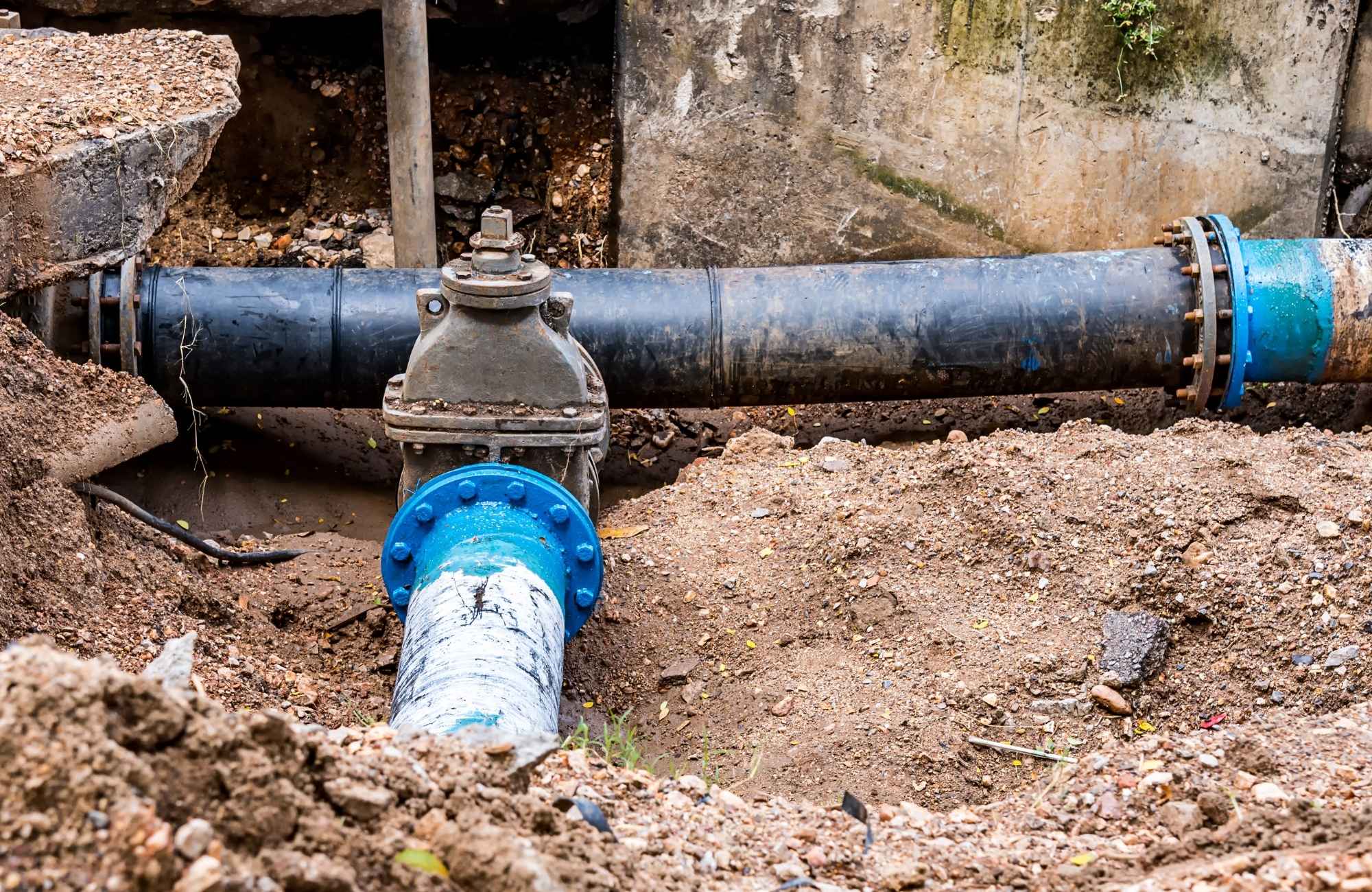
A groundwater well problem can disrupt your entire home by affecting your drinking water, water supply, and overall water quality without warning. Many homeowners in New Milford, CT, and nearby areas like Danbury, Brookfield, and Southbury rely on a private well and groundwater supplies for daily use, so even a small issue can quickly turn into serious problems.
Groundwater is a crucial resource that supports more than half of households using water wells in the United States. When groundwater levels drop or contamination enters aquifers, your well system can fail, lose pressure, or produce poor water quality. Regular well water testing helps detect issues early and keeps your drinking water safe.
What Is a Groundwater Well Problem?
A groundwater well problem is any issue that affects how your well system delivers safe drinking water from underground water resources. These problems often involve contamination, mechanical failure, or environmental changes that impact groundwater supplies, water flows, and overall water quality. Common groundwater well problems include contamination, low water pressure, sediment buildup, and pump failure.
Groundwater moves through aquifers beneath the land surface as part of the hydrologic cycle, supplying fresh water for homes, irrigation, and communities. However, groundwater contamination, excessive pumping, and system damage can disrupt this natural flow, leading to poor water quality or reduced water supply. Changes in groundwater levels or surrounding soil conditions can also affect how efficiently your system operates.
According to the United States Environmental Protection Agency, private well owners are responsible for maintaining safe water because private wells are not regulated like public water systems. This means regular testing, maintenance, and monitoring are essential to prevent contaminants and ensure a reliable and safe water supply.
Types of Groundwater Well Problems
Several types of well problems affect water systems:
- Mechanical issues, such as a failing well pump or pressure tank
- Water supply issues caused by groundwater withdrawals and falling water table levels
- Water quality problems from contaminated groundwater, harmful chemicals, or clogged filters
- Structural issues like cracked casing, which allow contaminants to enter
Each type of problem affects your system differently, but can lead to serious problems if ignored.
How to Identify Your Groundwater Well Problem Quickly
The fastest way to identify a groundwater well problem is to match symptoms with the most likely cause. Changes in water flow, pressure, or water quality usually point to either mechanical failure, contamination, or groundwater level changes.
Groundwater levels, soil conditions, and system performance all play a role. For example, excessive pumping lowers the water table, while clogged filters or a damaged pump can reduce flow even when groundwater supplies are stable.
Quick Diagnosis Guide
| Symptom | Likely Cause | What to Do |
| No water | Pump failure or electrical issue | Check the breaker, call service |
| Low water pressure | Pressure tank or clogged filters | Inspect system |
| Brown/cloudy water | Sediment or contamination | Test water |
| Bad smell | Bacteria or chemicals | Install filtration systems |
Low water pressure is often a common culprit and should not be ignored, especially if it happens suddenly.
Most Common Groundwater Well Problems Homeowners Face
Groundwater well problems often develop slowly but can quickly affect your water systems and water supplies. These problems are usually caused by contamination, mechanical issues, or environmental changes.
No Water from Your Well
A complete loss of water supply is one of the most serious problems. This can happen when the well pump fails, power is lost, or groundwater levels drop due to excessive pumping. When groundwater levels fall below the pump intake, your system cannot draw water, leaving your home without a supply.
Low Water Pressure
Low water pressure is a frequent issue in well systems. It is often caused by clogged filters, pressure tank failure, or mineral buildup from soil and aquifers. This reduces water flow and forces your pump to use more energy, which can shorten its lifespan.
Dirty or Cloudy Water
Cloudy water often indicates sediment or contaminated groundwater entering your system. This can result from surface water infiltration or disturbances in the land surface. Contaminants such as soil particles, bacteria, and harmful chemicals can affect both water quality and health.
Smelly Water
Smelly well water usually points to bacteria, sulfur, or chemical contamination. These issues often come from septic systems, pesticides, or underground storage tanks. Filtration systems are essential to restore safe drinking water and remove contaminants.
Sudden Changes in Water Quality
Sudden changes in water quality are a warning sign of contamination or shifts in groundwater conditions. These changes can impact your water supply and should be addressed immediately.
What Causes Groundwater Well Problems?
Groundwater well problems are caused by mechanical failures, environmental factors, and contamination. These factors affect groundwater supplies, water quality, and system performance.
Mechanical Causes
Mechanical issues are one of the most common causes of well problems.
- Aging well pump systems
- Pressure tank failure
- Electrical issues
These problems reduce system efficiency and affect water flow.
Environmental Causes
Environmental factors can reduce groundwater supplies and affect your well system.
- Groundwater pumping and groundwater withdrawals
- Falling groundwater levels and water table decline
- Land subsidence caused by excessive pumping
These changes impact aquifers and water flows beneath the ground.
Contamination Sources
Groundwater contamination occurs when pollutants enter soil and reach aquifers.
- Septic system leaks and septic tanks
- Agricultural pesticides and irrigation runoff
- Underground storage tanks and landfills
- Surface water infiltration
These are major potential sources of contaminants that affect safe drinking water.
Structural Issues
Structural problems allow contamination and reduce system efficiency.
- Cracked well casing
- Improper installation
- Aging infrastructure
When a Groundwater Well Problem Becomes an Emergency
A groundwater well problem becomes an emergency when it affects your water supply, safe water access, or health.
Emergency Warning Signs
- No running water
- Sudden drop in pressure
- Contaminated or discolored water
- Pump or electrical failure
These issues require immediate action to restore your water system.
How to Fix Groundwater Well Problems
Fixing a groundwater well problem requires proper diagnosis and the right solution. Maintenance, testing, and system care are essential for long-term performance. Regular testing for bacteria, lead, and chemicals is crucial to ensure safe drinking water. Experts recommend testing annually and using solutions like shock chlorination when contamination is detected. Regular inspections also help prevent contaminants and maintain system efficiency.
When to Try DIY Fixes
Some minor issues can be checked before calling a professional.
- Check the breaker and power supply
- Inspect for leaks or damage
- Check pressure tank levels
- Look for clogged filters
These steps can help identify simple problems.
When to Call a Professional
More complex issues require expert service.
- Well pump repair or replacement
- Pressure tank repair
- Filtration system installation
Professional service ensures safe water and proper system function.
Long-Term Prevention
Preventing well problems protects your water resources and system.
- Annual inspections
- Water testing
- Filtration systems
- Monitoring groundwater levels
Routine care ensures safe water and a consistent supply.
Groundwater Well Problems in Connecticut
Groundwater well problems in Connecticut often involve mineral buildup, contamination, and fluctuating groundwater levels. Soil conditions and aquifers play a major role in water quality. Local expertise helps diagnose these issues quickly and accurately.
Homeowners in New Milford, Brookfield, and nearby towns commonly experience:
- Iron and sulfur in groundwater
- Hard water buildup
- Seasonal water table changes
When to Call a Professional Well Service
You should call a professional when your groundwater well problem affects your water supply, system performance, or health.
Signs You Should Not Ignore
- Repeated low water pressure
- Discolored or contaminated water
- Frequent pump cycling
- Sudden changes in water flow
Conclusion
A groundwater well problem can impact your entire home, from water supply to water quality. Whether caused by contamination, mechanical failure, or environmental factors, early action is key. Understanding groundwater levels, water flows, and system performance helps you prevent serious problems and maintain safe drinking water.
Housatonic Valley Well Pump Services provides reliable, local well pump and water system solutions backed by years of hands-on experience. Contact us today to schedule a well inspection or request 24/7 emergency service in New Milford, CT, and nearby areas.
FAQs
What is the most common problem with well water?
The most common problem is contamination or low water pressure. Contaminants like bacteria, chemicals, or lead affect water quality, while system issues reduce flow. Regular testing ensures safe drinking water.
What are some problems with groundwater?
Groundwater problems include contamination, depletion, and poor water quality. Human activities and environmental changes affect aquifers and water resources.
What is the problem with groundwater pumping?
Groundwater pumping lowers groundwater levels and reduces the water supply. Excessive pumping disrupts water flows and can lead to land subsidence.
What are the problems with dug wells?
Dug wells are shallow and more exposed to surface water contamination. They are more likely to collect bacteria, soil, and chemicals.
How do I know if my well system needs repair?
Signs include low water pressure, unusual noises, and poor water quality. These often indicate pump or system issues.
Can groundwater contamination be fixed?
Yes, contamination can be treated using filtration systems. Water testing identifies the right solution.