


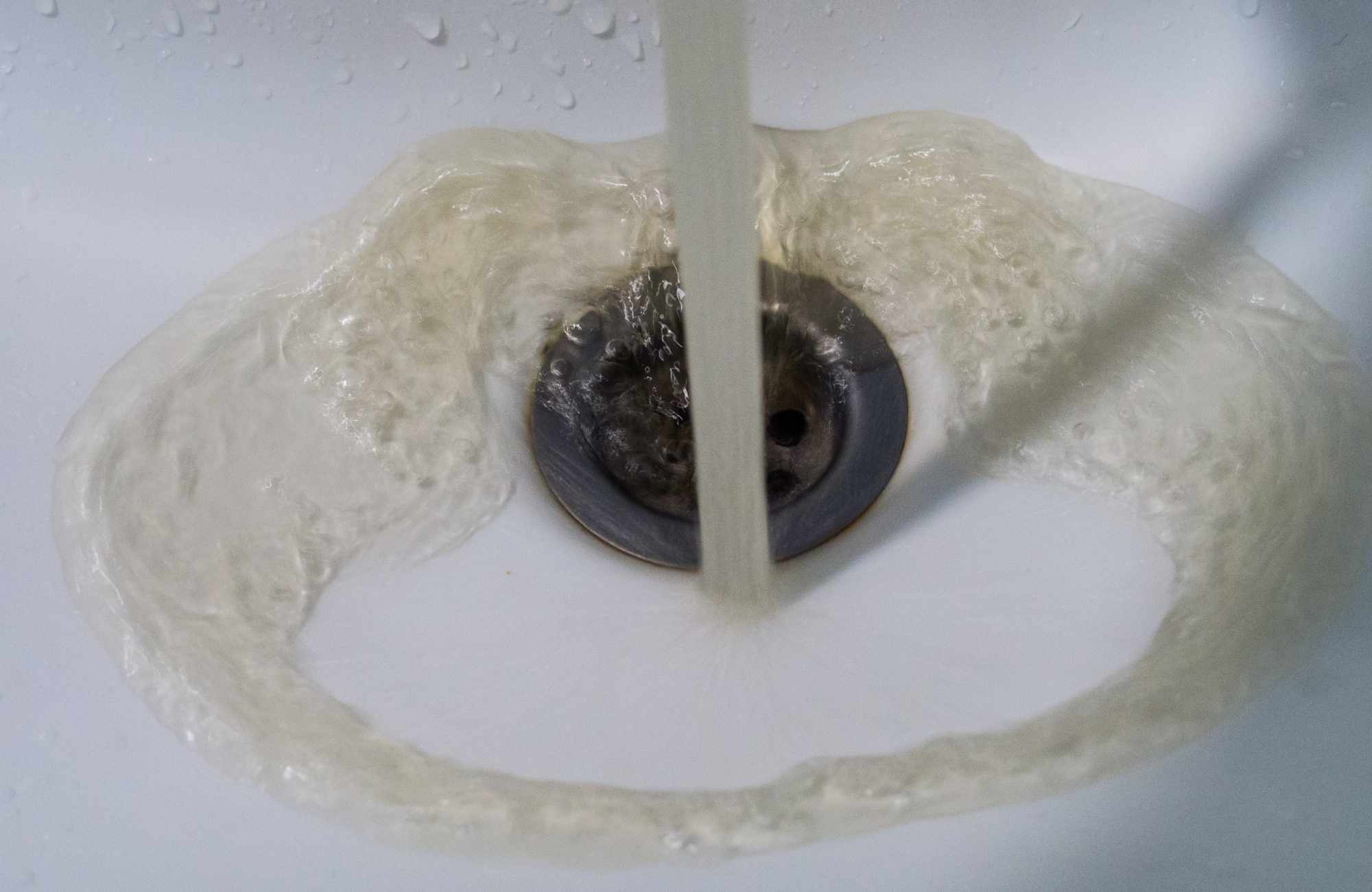
If you are searching for the causes of cloudy well water, you are likely dealing with a real water problem that affects your daily life. Many homeowners in New Milford, CT, Danbury, Brookfield, and surrounding areas rely on well water for drinking, cooking, and cleaning. When your water becomes cloudy, it raises concerns about water quality, safety, and the condition of your well system.
This guide is for homeowners who rely on private wells and want to understand and resolve cloudy water issues. Cloudy well water can impact your health, appliances, and peace of mind, which makes it important to address the issue as soon as possible. In many cases, cloudy water is caused by air, sediment, mineral buildup, or system problems such as a failing pump or pressure tank.
At Housatonic Valley Well Pump Services, we help homeowners diagnose and fix cloudy well water quickly. We provide well pump repair, water testing, filtration system installation, and emergency service across New Milford and nearby towns. If your water looks cloudy or unusual, getting a professional evaluation early can prevent bigger problems.
What Causes Cloudy Well Water
Cloudy well water is usually caused by air bubbles, suspended particles, dissolved minerals, or system issues inside your well system. The most common cause is tiny air bubbles in the water supply, which create a milky or cloudy appearance that often clears quickly. Cloudy well water can also result from dissolved gases such as methane gas, as well as sediment like sand, dirt, or organic matter that enters the water when sediment is stirred by heavy rain, shifting water levels, or well disturbance.
In other cases, high levels of minerals such as iron and manganese can cause turbidity, giving water a reddish, brownish, or cloudy appearance along with a metallic taste. More serious causes include bacterial contamination or surface water intrusion, especially after storms. These issues can introduce contaminants that affect water quality and safety. Understanding how the cloudiness appears and behaves helps identify the exact cause and determine the right solution for your well water system.
How to Identify the Cause of Cloudy Well Water
To identify the causes of cloudy well water, you need to observe how your water behaves and perform a few simple checks. Many homeowners assume the problem is random, but in most cases, there are clear signs that point to the exact issue.
A structured approach helps you avoid unnecessary repairs and focus on the real cause. The goal is to determine whether the issue comes from air, sediment, minerals, or a system problem.
Step 1: Perform the Glass Test
Fill a clear glass with water from your tap and let it sit for a few minutes. This simple test can reveal important clues about your water problem.
- If the cloudiness clears from the bottom upward, it is caused by air bubbles
- If tiny particles settle at the bottom, it is sediment
- If the water remains cloudy, it may be due to dissolved minerals or bacteria
This test is one of the fastest ways to understand your water’s appearance and what is present in it.
Step 2: Check When the Problem Happens
The timing of cloudy water provides valuable insight into the cause. Pay attention to when the issue appears.
- After heavy rain, sediment or surface water may have entered the well
- Only in hot water, the issue may come from your water heater
- In all fixtures, the problem is likely within your well system
Seasonal changes in Connecticut can also affect water levels and groundwater conditions, which makes this step important.
Step 3: Check Water Pressure and Flow
Changes in water pressure often point to system problems. Your well pump and pressure tank play a key role in maintaining consistent flow.
- Low pressure may indicate a failing pump or low water levels
- Fluctuating pressure may signal a pressure tank issue
- Air bursts or irregular flow can indicate system imbalance
If you notice both cloudy water and pressure problems, the issue is likely connected to your well system. If you are unsure about the results, professional diagnostics provide clear answers. Our team evaluates your pump, pressure system, and water quality to identify the exact cause quickly.
Air Bubbles and Milky Well Water
Air bubbles are one of the most common causes of cloudy well water. They create a milky look that clears quickly as the bubbles rise. In many cases, this is harmless, but frequent occurrences may indicate a system issue.
Air enters the system when there is a drop in water levels or a disruption in pressure. This can happen during high water usage or when the pump pulls in air along with water.
- Low water levels in the well
- A failing pump drawing in air
- Small leaks in the system
- Sudden changes in demand
While air itself is not dangerous, it can be a sign of a deeper issue within your well system that needs attention.
Sediment and Suspended Particles in Well Water
Sediment is a major cause of cloudy well water, especially in areas like New Milford and surrounding towns, where groundwater conditions change throughout the year. Sediment includes sand, dirt, and organic matter that enter the water supply.
Unlike air bubbles, sediment does not disappear. It settles at the bottom and can build up over time, affecting water quality and system performance.
- Heavy rain is stirring sediment into the well
- Damage to the well casing
- Lack of a proper sediment filter
- Changes in the water table
Sediment can clog pipes, reduce water pressure, and damage appliances. Installing a sediment filter is often the first step in protecting your water system.
Mineral Buildup and Iron in Well Water
Minerals are naturally present in groundwater, but high levels can affect water quality. Iron and manganese are common in Connecticut and often cause cloudy or discolored water.
- Cloudy or tinted water that does not clear
- Metallic taste in drinking water
- Staining on fixtures and laundry
- Persistent cloudiness
These minerals require proper treatment. A well-designed filtration system removes excess iron and improves water clarity, taste, and safety.
Well Pump and Pressure System Issues
Your well pump and pressure tank control how water moves through your home. When these components fail, they can introduce air, sediment, or instability into your water supply.
- Failing well pump
- Waterlogged pressure tank
- Faulty valves
- Pressure imbalance
These issues often appear as cloudy water combined with pressure problems. Addressing them early prevents more serious system failures. If your water quality and pressure change at the same time, it is important to schedule an inspection. We provide well pump repair and pressure tank service throughout New Milford and nearby areas.
When Cloudy Well Water Becomes Dangerous
Cloudy well water is not always dangerous, but it can indicate contamination. The challenge is that unsafe water does not always look significantly different from harmless cloudiness.
It is important to test your well water if you notice any change in its appearance. Routine water testing ensures your water meets safety standards for drinking and cooking. You should test your well water at least once per year. A professional water test provides the most accurate results and identifies potential contaminants.
Signs your water may not be safe include:
- Strong or unusual smell
- Metallic or unpleasant taste
- Persistent cloudiness
- Visible particles combined with discoloration
- Health symptoms after drinking
Flushing the System
Flushing the system is often the first step when dealing with cloudy water, especially after heavy rain or sudden changes in water usage. This process helps clear out temporary sediment, dirt, or debris that may have been stirred up inside the well. While flushing can improve water clarity in the short term, it does not fix underlying issues if the problem keeps returning.
Installing or Replacing a Sediment Filter
A sediment filter acts as a barrier that prevents sand, dirt, and other particles from entering your home’s water supply. Over time, filters can become clogged or worn out, which reduces their effectiveness and allows sediment to pass through. Replacing or upgrading your sediment filter can significantly improve water clarity and help protect your plumbing and appliances.
Upgrading to a Filtration System
If minerals like iron or manganese are causing cloudy water, a basic filter may not be enough. A full filtration system is designed to remove dissolved minerals, improve taste, and restore clean water throughout your home. This type of upgrade is especially important in areas with known mineral buildup in groundwater.
Repairing or Replacing the Well Pump
A failing well pump can disrupt water flow and introduce air into the system, which often leads to cloudy or milky water. Inconsistent pressure or sudden drops in water supply are common signs of pump issues. Repairing or replacing the pump ensures your system runs efficiently and prevents further water quality problems.
Fixing Pressure Tank Issues
The pressure tank plays a key role in maintaining steady water pressure in your home. When it becomes waterlogged or damaged, it can cause fluctuations that affect both flow and water clarity. Addressing pressure tank problems helps stabilize your system and reduces the chances of recurring cloudy water.
Conducting a Professional Water Test
A professional water test provides a clear understanding of what is present in your water, including minerals, bacteria, and other contaminants. This step is essential when the cause of cloudiness is not obvious or when the problem continues despite basic fixes. Accurate testing allows you to choose the right treatment solution and ensures your water is safe for daily use.
Why Cloudy Well Water Is Common in Connecticut
Cloudy well water is more common in Connecticut due to natural conditions such as mineral rich soil, seasonal changes, and shifting groundwater levels. Homes in New Milford, Danbury, and Brookfield often experience changes in water clarity after storms or seasonal transitions.
These local conditions make it important to work with a provider who understands regional water challenges and can provide targeted solutions.
Conclusions
Cloudy well water is a clear sign that something in your water system needs attention. While some causes are harmless, others can affect your water quality, safety, and system performance. The fastest way to fix the problem is to identify the cause early and take the right action. Ignoring cloudy water can lead to more expensive repairs and long-term damage.
Housatonic Valley Well Pump Services provides expert well pump repair, water testing, filtration systems, and emergency service across New Milford and surrounding areas. Contact us today for a free quote and restore clean, safe water in your home.
FAQs
How does a residential well water system work?
A residential well water system uses a well pump to draw groundwater from underground and deliver it into your home through a pressure tank. The pressure tank maintains consistent water pressure so that water flows evenly through your taps. The system works together to provide reliable access to clean water.
What is the lifespan of a residential well?
A residential well can last between 20 and 40 years, depending on how it was constructed and maintained. Components such as the well pump and pressure tank usually need replacement sooner. Regular inspections help extend the life of your well system and prevent unexpected issues.
What is the most common problem with well water?
The most common problem with well water is contamination from minerals, sediment, or bacteria. These issues affect water quality, taste, and safety. Regular testing and proper filtration help prevent these problems and maintain clean water.
What is the best water treatment system for a home?
The best water treatment system depends on your specific water quality issues. Sediment filters, iron removal systems, and full filtration systems are common solutions. A professional water test helps determine the right system for your home and ensures long-term results.