


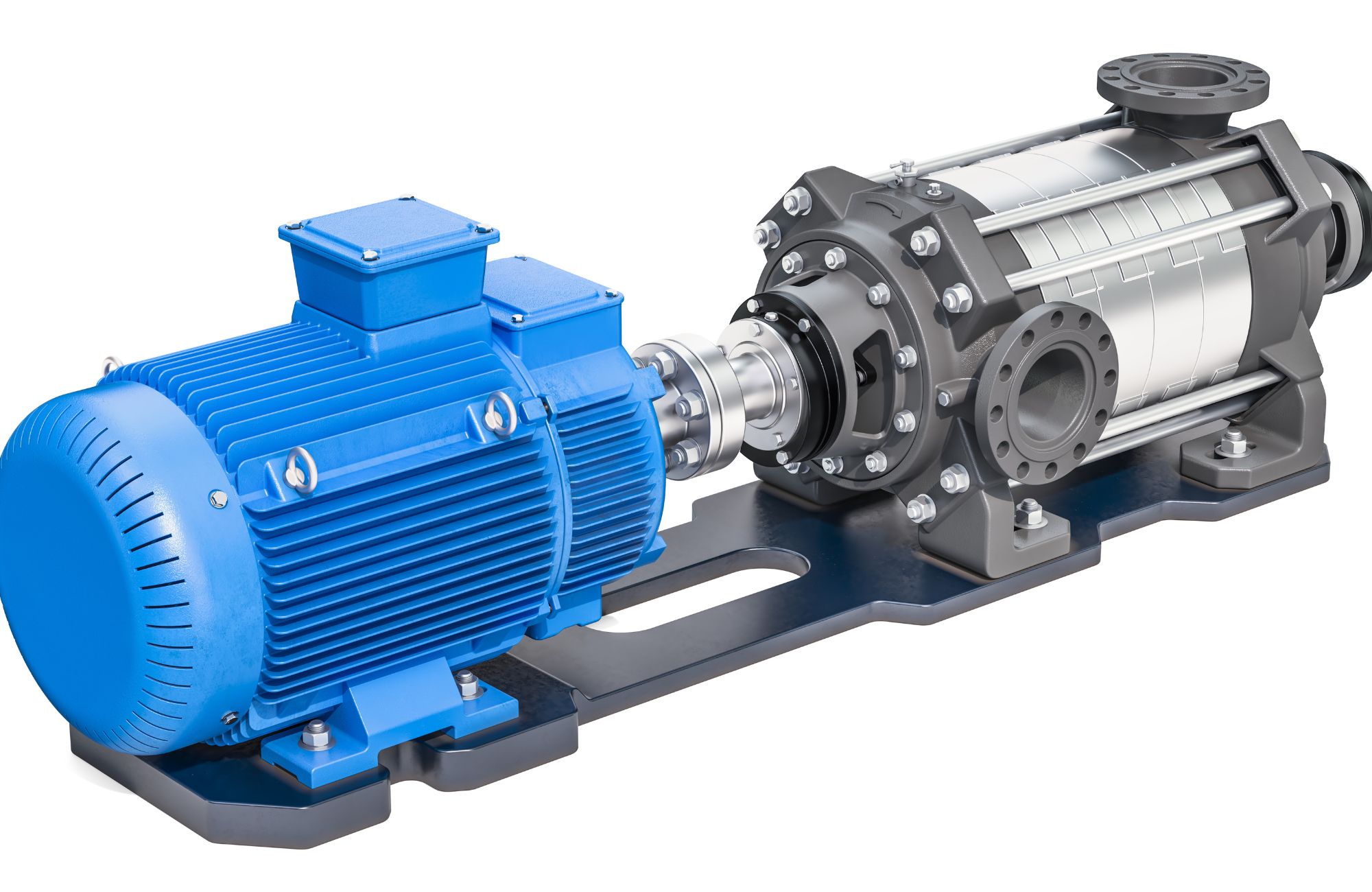
A well pump generator is essential for homes that rely on private well systems in New Milford, CT. During power outages, your well pump stops working because it depends on electricity. When that happens, your pressure tank empties, your pump stops, and your home loses water completely.
This guide is for homeowners who rely on a well pump system and want a reliable solution during power outages. Losing water affects daily use, including cleaning, cooking, and basic operation of your home. A properly sized generator ensures your pump runs, your system stays active, and your water supply continues even during an extended period without utility power.
If your system stops working, Housatonic Valley Well Pump Services provides emergency service in New Milford, CT. We help homeowners restore pump operation quickly and safely.
What Is a Well Pump Generator and Why It Matters
A well pump generator provides backup electrical power to a submersible pump or jet pump, ensuring a water supply during power outages. Using a well pump generator ensures a continuous and reliable water supply when electricity is unavailable.
Your well pump system depends on electricity to operate the motor that pushes water from a deep underground source into your pressure tank. When utility power is lost, the system cannot function. This means your pump stops, your tank drains, and your entire water system shuts down.
In New Milford, CT, many homes rely on private wells instead of city water. This makes generator power a critical part of maintaining daily life. A properly sized generator ensures your pump motor starts, handles demand, and operates without interruption. Without enough power, the motor will fail to start. This is why choosing the right generator is not optional. It is essential for system reliability and long-term operation.
What Happens to Your Water During Power Outages
When power outages occur, your well pump stops immediately because it relies on electricity. This prevents water from entering your tank and supplying your home. Your pressure tank only holds a limited amount of water. Once that supply is used, your system cannot deliver water until power is restored. This can happen quickly depending on demand and usage.
In New Milford, CT, outages during storms can last for hours. During this time, homes without a generator lose access to water completely. This affects appliances, cleaning, and basic daily operation. If your system stops, professional service is often needed to ensure your pump and system return to proper operation.
What Size Generator Do You Need for a Well Pump
Choosing the right generator size depends on your pump horsepower, running wattage, and starting watts. Most residential well pump systems require between 2000 and 7500 watts, but startup demand can be much higher.
When selecting a generator for a well pump, it is crucial to understand the difference between running wattage and starting watts. The starting watts required to run a well pump motor are often two to three times higher than the running wattage. This surge demand must be supported to ensure proper operation.
Generator Sizing Table by Pump Size
Table: Recommended Generator Sizes for Common Well Pump Motors
| Pump Size | Running Wattage | Starting Watts | Recommended Watt Generator |
| 0.5 HP | 1000 watts | 3000 watts | 4000 to 5000-watt generator |
| 1 HP | 2000 watts | 6000 watts | 6000 to 7500-watt generator |
| 1.5 HP | 3000 watts | 9000 watts | 9000 to 10000-watt generator |
Generator sizing depends on more than just pump size. You must also consider voltage, wire size, and other loads such as a sump pump or water heater. From real service experience in New Milford, CT, most homes need a 6500 to 7500-watt generator to reliably run a well pump system under full load.
How to Calculate Generator Sizing for Your Well Pump
To size the generator capacity correctly, you need to understand your system demand and electrical loads. This ensures your generator provides enough power to support both pump startup and ongoing operation.
Steps to Calculate Generator Size
Step 1: Check pump horsepower- Locate the control box or label and identify the horsepower rating.
Step 2: Convert horsepower to watts- One horsepower equals approximately 746 watts.
Step 3: Calculate starting watts- Multiply running wattage by two or three to estimate surge demand.
Step 4: Add other loads- Include appliances such as lights, fridge, and sump pump.
A typical submersible well pump may run at 2000 watts but requires up to 6000 starting watts. If your generator cannot meet this demand, the pump will not start. A clamp meter can measure actual amps and wattage, but most homeowners rely on standard calculations.
Portable Generator vs Standby Generator for Well Pump Systems
Choosing the right generator depends on how often you experience outages and how much convenience you want from your system.
Portable Generator
A portable generator is a cost effective solution that uses gasoline or diesel fuel. It can run a well pump when properly connected using a transfer switch. However, it requires manual setup during outages. You must connect extension cords or use proper wiring to connect the system safely.
Standby Generator
A standby generator provides automatic operation when utility power fails. It uses an automatic transfer switch to connect directly to your system. This ensures continuous power without manual setup. In New Milford, CT, standby generators are often the most reliable solution for long outages. If you are unsure which generator is right, our team can help you choose based on your system and demand.
Common Mistakes When Using a Generator for a Well Pump
Using a generator incorrectly can prevent your system from working or damage your pump motor. Many homeowners make these mistakes when trying to restore power quickly.
Frequent Generator Mistakes
- Choosing a generator that does not provide enough power
- Ignoring starting watts and surge demand
- Using extension cords instead of a transfer switch
- Not accounting for electrical loads from appliances
- Incorrect wiring or unsafe connection methods
Avoiding these mistakes ensures safe operation and protects your system from failure.
Best Generator Setup for Homes That Rely on Well Systems
A reliable setup includes correct generator sizing, proper wiring, and a safe connection to your electrical system.
Key Components of a Reliable Setup
A transfer switch is essential. It allows a safe connection between your generator and your home system. An automatic transfer switch ensures seamless operation during outages. A complete system may include a battery bank or inverter for additional backup, especially if solar power is part of your setup. Proper installation ensures your system handles full load demand and operates efficiently over long periods.
Common Issues in New Milford Homes
The most common issue we see is undersized generators. Many homeowners choose the bare minimum generator without considering the startup demand. This leads to situations where the pump motor does not start even though the generator is running. It causes delays and frustration during emergencies.
Another issue is improper setup. Without a transfer switch, the system may not connect correctly or deliver stable power. With over 20 years of experience, we know that correct generator sizing and professional installation are key to reliable operation.
When to Call a Professional for Well Pump Generator Help
You should call a professional if your pump does not run during power outages or if your generator system is not working properly. A technician can test voltage, measure loads, and verify that your generator provides enough power for safe operation. Professional service ensures your system runs efficiently and prevents costly damage.
Conclusion
A well pump generator is essential for homes in New Milford, CT that rely on private wells. Without backup power, outages can stop your water supply completely. Choosing the right generator, installing it correctly, and understanding your system ensures reliable operation during emergencies.
If you need help with generator sizing, installation, or repair, contact Housatonic Valley Well Pump Services. We provide reliable well pump service in New Milford, CT, to keep your system running when it matters most. Contact us today.
FAQs
What size generator do I need for a well pump?
Most homes need a generator between 4000 and 7500 watts. The exact size depends on pump horsepower and starting watts. A properly sized generator ensures your pump runs without failure.
What size generator do I need for a water well pump?
A water well pump typically requires a generator that supports both running wattage and surge demand. A 1 HP pump often needs a 6000 to 7500 watt generator.
What is a pump generator?
A pump generator provides electricity to operate a pump when utility power is unavailable. It ensures a continuous water supply during outages.
How big of an inverter do I need to run a well pump?
An inverter must handle both running wattage and startup demand. Many well systems require high-capacity setups, making generators a more reliable option.