


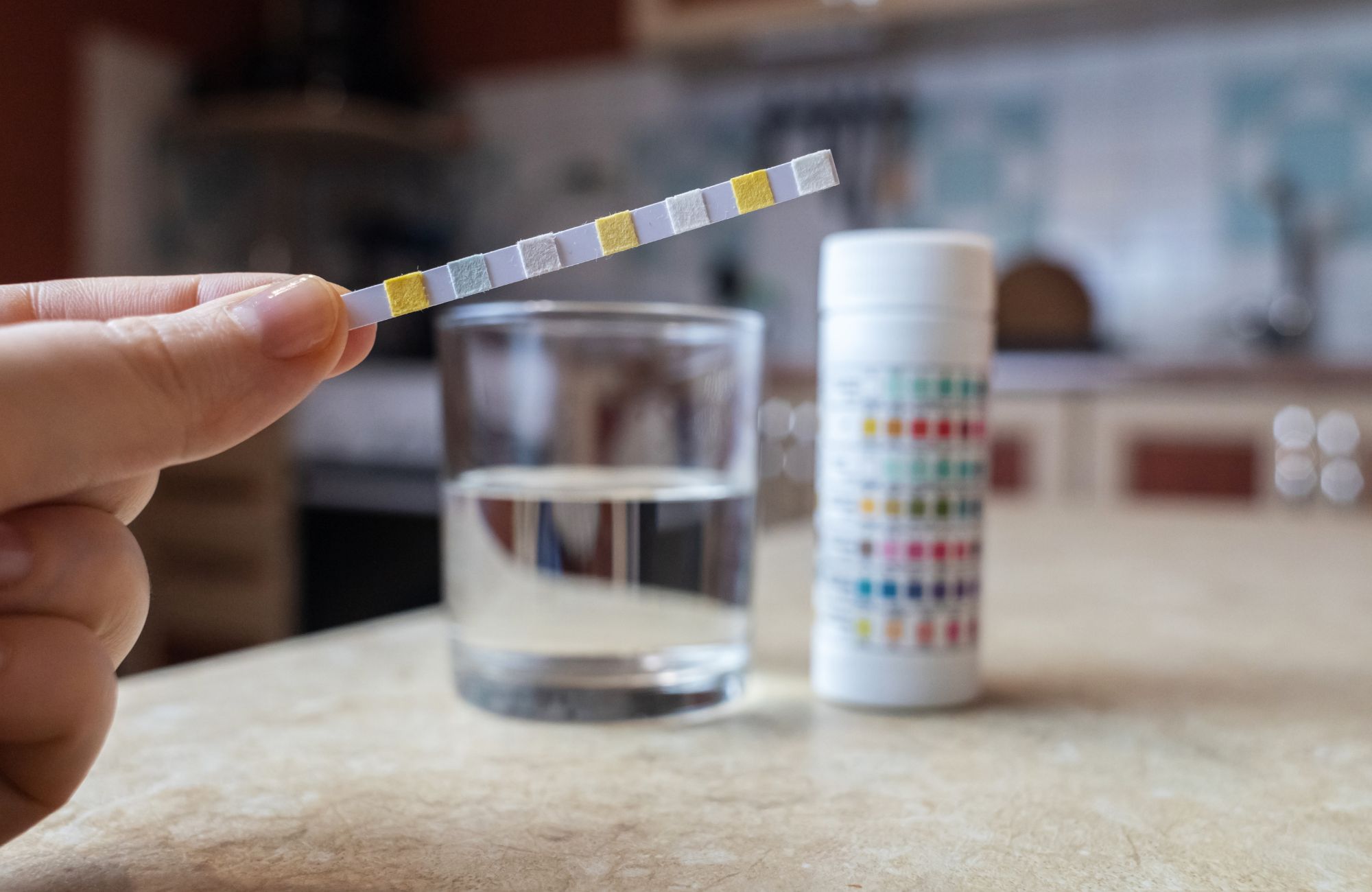
Well water contamination is a serious issue for homeowners who rely on private wells for their drinking water. In New Milford, CT, and nearby towns like Danbury, Brookfield, and Litchfield, many homes depend on groundwater as their main water supply. Unlike public water systems, private wells are not regulated by the Environmental Protection Agency, which means private well owners are responsible for protecting their own drinking water quality.
Contaminated well water can affect your family’s health, damage household plumbing, and shorten the life of your well system. Some harmful contaminants are visible, such as rusty water or visible sediment. Others are hidden contaminants like coliform bacteria, arsenic, or volatile organic compounds that have no smell or taste. If you are concerned about well water contamination in New Milford or surrounding Connecticut towns, Housatonic Valley Well Pump Services offers water testing, inspection, and water treatment solutions.
What Is Well Water Contamination?
Well water contamination occurs when harmful contaminants enter a private well system and affect drinking water quality. These contaminants can come from natural sources, human activities, or environmental pollution. When groundwater movement carries harmful chemicals, bacteria, or dissolved solids into a well, the water becomes unsafe to drink without proper treatment.
In Connecticut, private wells often draw water from bedrock aquifers. A geological survey of the region shows that natural deposits in the soil and rock can release heavy metals like arsenic and iron into groundwater. At the same time, agricultural runoff, septic tanks, and industrial runoff can introduce harmful pollutants and organic chemicals into the water supply. Because private wells are not treated by a municipality, it is critical for homeowners to test and maintain their water systems regularly.
Types of Contaminants Found in Connecticut Wells
Private wells in New Milford and the surrounding areas can contain a range of water contaminants. Understanding the most common contaminants helps homeowners recognize potential risks and take action before serious health problems develop.
Common contaminants found in well water include:
- Coliform bacteria and bacteria viruses from septic leach fields or animal waste
- Arsenic from naturally occurring sources in bedrock
- Iron and manganese from natural deposits
- Nitrates from fertilizer runoff and agricultural runoff
- Volatile organic compounds such as methyl tertiary butyl ether from underground storage tanks
- Radionuclides and other naturally occurring sources
Some contaminants, such as iron, may cause staining or a metallic taste but are not always linked to severe health effects. Others, like arsenic or nitrates, can lead to serious health problems when present in high concentrations.
What Causes Well Water Contamination?
The most common causes of well water contamination include surface water intrusion, septic system failures, industrial pollution, and natural geological conditions. According to the U.S. Environmental Protection Agency (EPA), private wells can become contaminated from both natural sources and human activities that affect groundwater quality.
In New Milford and Danbury, many properties use septic tanks and septic leach fields. When septic systems fail or are poorly maintained, human sewage can seep into the groundwater. Heavy rainfall or flooding can also push surface water into a poorly sealed well system, carrying organic matter, washing microorganisms, and other harmful contaminants directly into your water supply.
Natural Causes
Natural sources of water contamination are common in Litchfield County and Upper Fairfield County. These include mineral-rich bedrock and groundwater movement through iron-heavy soils. Natural deposits may release heavy metals or dissolved solids into the well water.
High levels of arsenic are a known concern in parts of Connecticut. Long-term exposure to arsenic in drinking water has been linked to cancer and damage to the nervous system and reproductive system. Radon and uranium can also appear in certain aquifers due to geological conditions.
Human-Related Causes
Human activities are another major contributor to water contamination. Industrial chemicals, petroleum products, and organic compounds from underground storage tanks can leak into groundwater. Agricultural runoff introduces nitrates and fertilizer runoff into nearby wells. In older neighborhoods, aging service lines and household plumbing may also contribute to contamination.
If you suspect contamination from septic tanks, fertilizer runoff, or industrial runoff in your New Milford home, schedule a professional well inspection to identify the source and protect your water quality.
Signs Your Well Water May Be Contaminated
Some signs of well water contamination are easy to spot, while others require laboratory testing. Visible sediment, a chlorine smell, or a sudden change in taste can signal a problem. However, many harmful chemicals and bacteria are invisible and do not change the appearance of the water.
Homeowners in Brookfield, Southbury, and New Milford should pay close attention to changes in their water supply. Even a drop in water pressure can indicate issues with the well pump or pressure tank that allow contaminated water to enter the system.
Common Water Contamination Symptoms
Common water contamination symptoms include:
- Cloudy water or visible sediment
- A rotten egg odor caused by sulfur or organic matter
- Metallic taste from iron or other dissolved solids
- Rust stains on sinks and fixtures
- Stomach illness or gastrointestinal symptoms after drinking water
- Sudden low water pressure or pump cycling issues
Because many contaminants are hidden, the only reliable way to confirm drinking water quality is to have the water tested. Housatonic Valley Well Pump Services provides comprehensive well inspections and water testing services throughout New Milford and nearby towns.
How to Test for Well Water Contamination in CT
To test for well water contamination, private well owners should conduct annual testing and additional testing after major events such as flooding, repairs, or noticeable changes in water quality. Connecticut’s health department recommends routine testing for bacteria, nitrates, and other common contaminants.
In New Milford and Litchfield County, testing is especially important due to naturally occurring arsenic and iron. When buying or selling a home, a real estate well inspection is also recommended to confirm that the water systems meet local health standards.
When Should You Test?
Below is a simple testing guide for Connecticut homeowners:
| Situation | Recommended Testing |
| Annual routine test | Coliform bacteria, nitrates |
| After flooding or heavy rain | Full contamination panel |
| Real estate transaction | Complete well inspection |
| Unusual taste or odor | Immediate water testing |
| Health problems appear | Full laboratory analysis |
Professional testing helps identify dissolved solids, total dissolved solids, harmful chemicals, and other contaminants that may not be detected with at-home kits. If your water has not been tested recently, schedule a certified well inspection in New Milford today for peace of mind.
How to Fix Well Water Contamination
The best way to treat contaminated well water depends on the specific contaminants found. There is no one-size-fits-all solution. Proper diagnosis is essential to select the right water treatment or filtration systems.
For bacterial contamination, shock chlorination may be used to disinfect the well system. However, chlorine treatment is not effective for removing heavy metals or organic chemicals. For chemical contaminants, specialized water filtration systems are often required.
Common Treatment Solutions
Treatment solutions may include:
- Whole-house water filtration system installation
- Reverse osmosis systems to remove dissolved solids and harmful chemicals
- Iron filtration systems for high iron levels
- Arsenic removal systems
- UV light systems to neutralize bacteria viruses
- Pressure tank repair or well pump replacement if contamination is linked to equipment failure
Each system is designed to remove impurities and protect drinking water quality. At Housatonic Valley Well Pump Services, we evaluate the well system, pressure tank, and pump components before recommending a solution. If contamination is caused by a failing well pump or damaged casing, repair or replacement may be necessary to prevent future issues.
Why Well Water Contamination Is a Serious Health Risk
Contaminated water can lead to serious health problems, especially for children, older adults, and individuals with weakened immune systems. Bacteria viruses in well water may cause gastrointestinal illness, while high concentrations of nitrates can result in blue baby syndrome in infants. Nitrates interfere with the blood’s ability to carry oxygen, posing significant health risks.
Heavy metals like arsenic and lead can cause long-term health effects, including cancer and nervous system damage. Some harmful pollutants are linked to birth defects and damage to the reproductive system. Because many contaminants do not change the taste or smell of drinking water, testing is the only way to identify potential risks. Protecting your family’s health begins with understanding the health effects of contaminated well water and taking preventive action before symptoms appear.
Why Choose a Local Well Water Expert in New Milford, CT
Choosing a local well water specialist makes a difference when dealing with well water contamination. Groundwater conditions in New Milford, Danbury, and Brookfield vary based on soil composition and underground geology. A local expert understands how natural sources and human activities affect water quality in this region.
Conclusion
Well water contamination is a serious issue for homeowners who rely on private wells in New Milford, CT, and surrounding towns. Because private well owners are responsible for maintaining drinking water quality, regular testing and proper water treatment are essential. Contaminated well water can lead to serious health problems, damage plumbing, and reduce the lifespan of your well system.
If you suspect contamination or have not tested your water recently, protecting your family’s health starts with action today. Housatonic Valley Well Pump Services provides professional well inspections, water testing, and treatment solutions in New Milford, Danbury, and Brookfield. Contact us to schedule an evaluation and keep your well water safe for your household.
FAQs
What are the most common contaminants in well water?
The most common contaminants in well water include coliform bacteria, nitrates, arsenic, iron, and volatile organic compounds. These contaminants can come from natural deposits, septic tanks, agricultural runoff, or industrial chemicals. Regular water testing helps identify these risks and determine the right water treatment solution.
What are the symptoms of contaminated well water?
Water contamination symptoms may include stomach illness, diarrhea, unusual taste or odor, visible sediment, or rust stains. However, many harmful contaminants cause no visible changes. If you notice health problems or changes in water quality, you should have your water tested immediately.
How do you treat well water contamination?
Treatment depends on the type of contaminant. Bacterial contamination may require shock chlorination or UV light systems, while chemical contamination often requires reverse osmosis or specialized filtration systems. A professional evaluation ensures the correct system is installed to remove contaminants effectively.
What is the most common problem with well water?
In Connecticut, high iron levels and bacterial contamination are common problems. Iron can cause staining and metallic taste, while bacteria can pose health risks. Routine well inspections and water testing help prevent long-term damage and protect drinking water quality.