


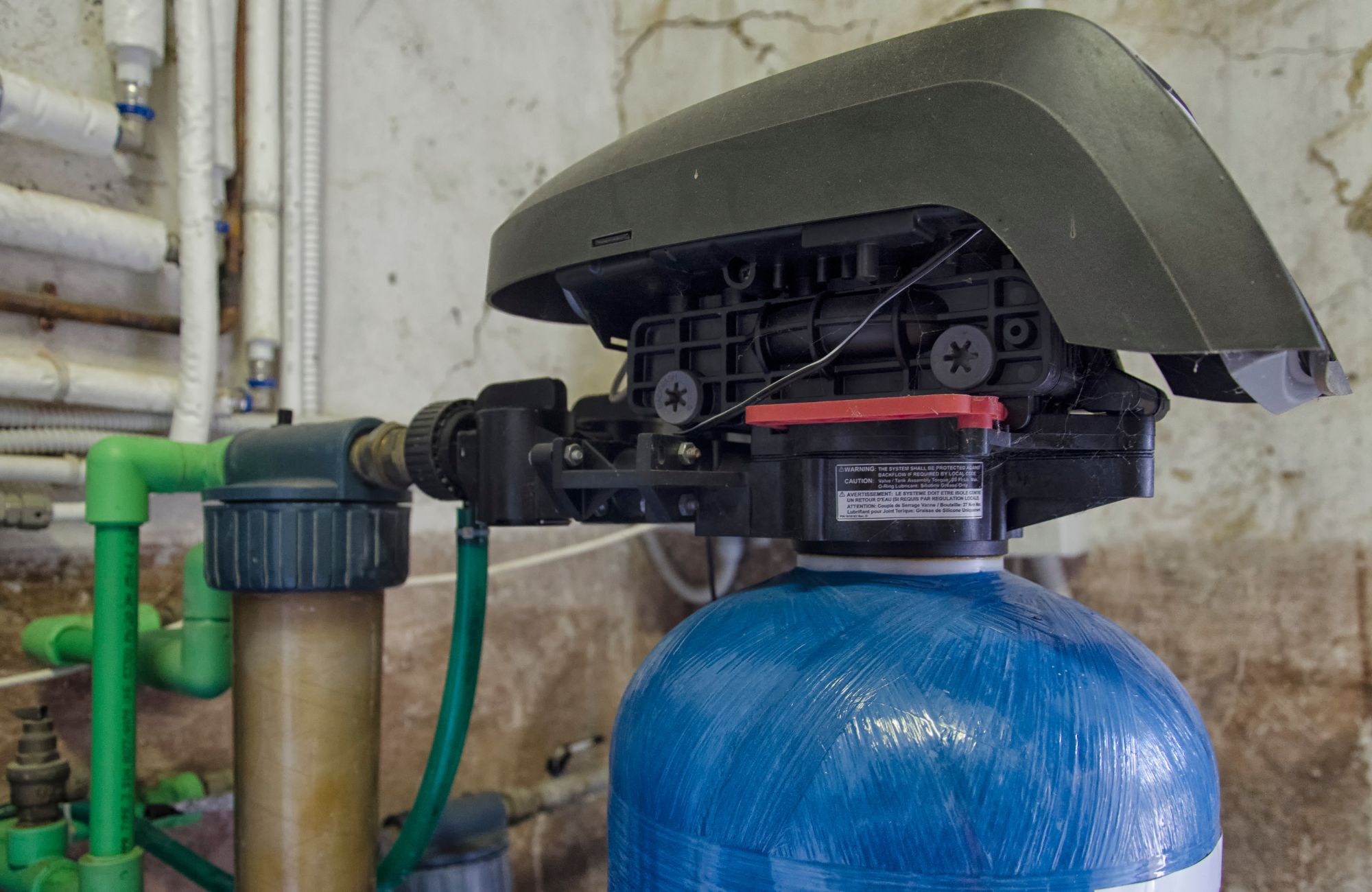
Water softener maintenance is one of the most important responsibilities for homeowners who rely on private well systems. In Litchfield County, Connecticut, well water often contains hard minerals, iron, and sediment that place extra strain on water softening systems. Without proper care, performance drops, salt usage increases, and water quality suffers.
This guide explains how water softener maintenance works, how often service is needed, and when professional help is the smarter choice. The focus is on real-world conditions faced by homeowners using well water in towns like New Milford, Danbury, and Brookfield. If your system has not been serviced recently or your water quality has changed, Housatonic Valley Well Pump Services provides professional water softener service, repair, and water treatment throughout Litchfield County and surrounding areas.
What Water Softener Maintenance Is and Why It Matters
Water softener maintenance refers to the routine care that keeps a water softening system operating efficiently and protecting your water supply. These systems remove hardness minerals through a process called ion exchange, where calcium and magnesium ions are replaced with sodium ions using resin beads inside the resin tank.
Over time, mineral buildup, iron, and debris interfere with this process. When maintenance is skipped, resin beds become fouled, control valves clog, and regeneration cycles become inefficient. The result is hard water returning to the home, increased scale buildup, and reduced water pressure.
For well water homes in Litchfield County, proper maintenance matters even more. Groundwater often carries iron, sulfur, and sediment that accelerate wear on internal components. Routine care helps the system run smoothly, protects plumbing and water heaters, and supports consistent water quality throughout the home.
How Often Is Water Softener Maintenance Needed
Most water softening systems require a combination of homeowner upkeep and periodic professional service. The exact maintenance schedule depends on water hardness, household water usage, and whether the home relies on a private well.
Check salt levels monthly to ensure the tank holds enough fresh salt for a proper brine solution. Clean the brine tank at least once per year to remove sludge and prevent salt mushing. Schedule a professional inspection annually, especially for well water systems, to maintain optimal performance.
Recommended Water Softener Maintenance Schedule
| Task | Frequency | Responsibility |
|---|---|---|
| Check salt levels | Monthly | Homeowner |
| Add fresh salt | As needed | Homeowner |
| Break salt bridges | As needed | Homeowner |
| Clean the brine tank | Once per year | Homeowner or professional |
| Inspect the resin bed and valves | Annually | Professional |
| Test water quality and flow rate | Annually | Professional |
Homes with iron-rich water or higher water usage may require more frequent maintenance. A professional evaluation ensures the system remains properly sized and adjusted for actual conditions.
Essential Water Softener Maintenance Tasks Homeowners Can Do
Many water softener maintenance tasks are simple and safe for homeowners to perform. These steps help maintain system efficiency and reduce the risk of sudden performance problems between professional service visits. Before starting any work, review the manufacturer’s instructions for your specific water softener system. Use the bypass valve when needed and work carefully around the salt tank and control valve.
Checking and Managing Salt Levels
Salt is essential for the regeneration process. The salt tank should contain enough salt to maintain a proper brine solution while leaving some space at the top of the tank.
High-quality salt pellets, evaporated salt, or solar salt dissolve more evenly and leave less residue. Rock salt contains impurities that increase mineral buildup and should generally be avoided. Salt should sit above the water line, but should not fill the tank.
Cleaning the Brine Tank
The brine tank collects residue from salt, sediment, and iron over time. This buildup can interfere with regeneration and reduce softening efficiency.
Annual cleaning usually includes:
- Removing remaining salt
- Washing the tank with warm water and mild soap
- Scrubbing with a long-handled brush
- Rinse thoroughly before adding fresh salt
In homes with iron or heavy sediment, more frequent cleaning may be required to prevent sludge formation.
Preventing Salt Bridges and Salt Mushing
Salt bridges form when humidity or poor-quality salt creates a hard crust above the water level. The tank may appear full, but salt is not dissolving properly.
If hard water returns and salt levels do not drop, gently breaking the bridge with a broom handle often restores function. Salt mushing occurs when salt turns into a thick slurry at the bottom of the tank and usually requires cleaning and better salt quality.
Signs Your System Needs Professional Water Softener Maintenance
Even with good homeowner care, some problems require professional attention. Internal components such as the resin bed, venturi valve, and control valve should only be serviced by trained technicians.
Common warning signs include:
- Hard water symptoms are returning
- Sudden increases in salt usage
- Reduced water pressure or flow rate
- Slimy or metallic-tasting water
- Regeneration cycle errors
- Continuous system operation
These issues often indicate resin fouling, mineral buildup, or valve problems that require specialized tools and experience. Addressing them early helps avoid system damage and costly repairs. If these signs appear, Housatonic Valley Well Pump Services offers professional water softener diagnostics and repair across Litchfield County and Upper Fairfield County.
Water Softener Maintenance for Private Well Systems
Water softener maintenance for well water homes requires extra attention. Unlike municipal water, well water commonly contains iron, sediment, and heavy metals that accelerate wear on softening systems. Iron can coat resin beads and block ion exchange. Sediment can clog control valves and restrict water flow. Over time, this reduces efficiency and shortens system lifespan.
Managing Iron and Sediment
Homes with iron-rich well water often benefit from adding filtration before the softener. Iron filters or whole-house filtration systems remove contaminants before they reach the resin tank, extending resin life and reducing cleaning frequency. Regular water testing helps track changes in water quality and adjust maintenance schedules accordingly.
When Additional Filtration Is Needed
If rust stains, metallic taste, or heavy sediment appear, filtration is often the most effective solution. Proper filtration reduces stress on the water softener system and improves overall water quality. Homeowners in New Milford, Danbury, Brookfield, and nearby towns often see better performance when filtration and routine maintenance work together.
DIY Care vs Professional Water Softener Maintenance
Basic upkeep can be handled by homeowners, but professional service is essential for long-term reliability. Understanding the difference helps protect the system and prevent accidental damage.
| Task | DIY | Professional |
|---|---|---|
| Salt checks and refills | Yes | No |
| Breaking salt bridges | Yes | No |
| Brine tank cleaning | Sometimes | Yes |
| Resin bed cleaning | No | Yes |
| Valve inspection | No | Yes |
| Water quality testing | No | Yes |
Annual professional inspections help ensure the system is correctly sized, properly regenerating, and free from internal damage.
Conclusion
Water softener maintenance protects your water supply, plumbing, and appliances while helping your system operate efficiently. For well water homes in Litchfield County and Upper Fairfield County, regular care is essential due to iron, sediment, and mineral buildup. Homeowner tasks like salt checks and brine tank cleaning help, but professional service ensures long-term reliability.
Housatonic Valley Well Pump Services provides expert water softener maintenance, repair, and water treatment solutions designed for local well water conditions. With over 20 years of experience and 24/7 emergency availability, the team helps homeowners maintain clean, soft water year-round. Contact us today for a free quote or to schedule professional service.
FAQs
How often should you get a water softener serviced?
Most systems should be professionally serviced once per year. Homes on private wells or with high iron levels may need more frequent maintenance to protect the resin bed and control valve.
Is a water softener difficult to maintain?
Basic care, such as checking salt levels and cleaning the brine tank, is straightforward. Internal cleaning and performance testing should be handled by professionals to avoid damage.
What is the expected lifespan of a water softener?
With proper water softener maintenance, most systems last between 10 and 15 years. Regular inspections and high-quality salt help extend system life.
How often should a water softener clean itself?
Most systems regenerate automatically every few days based on water usage. If regeneration happens too often or not enough, professional adjustment may be needed.