


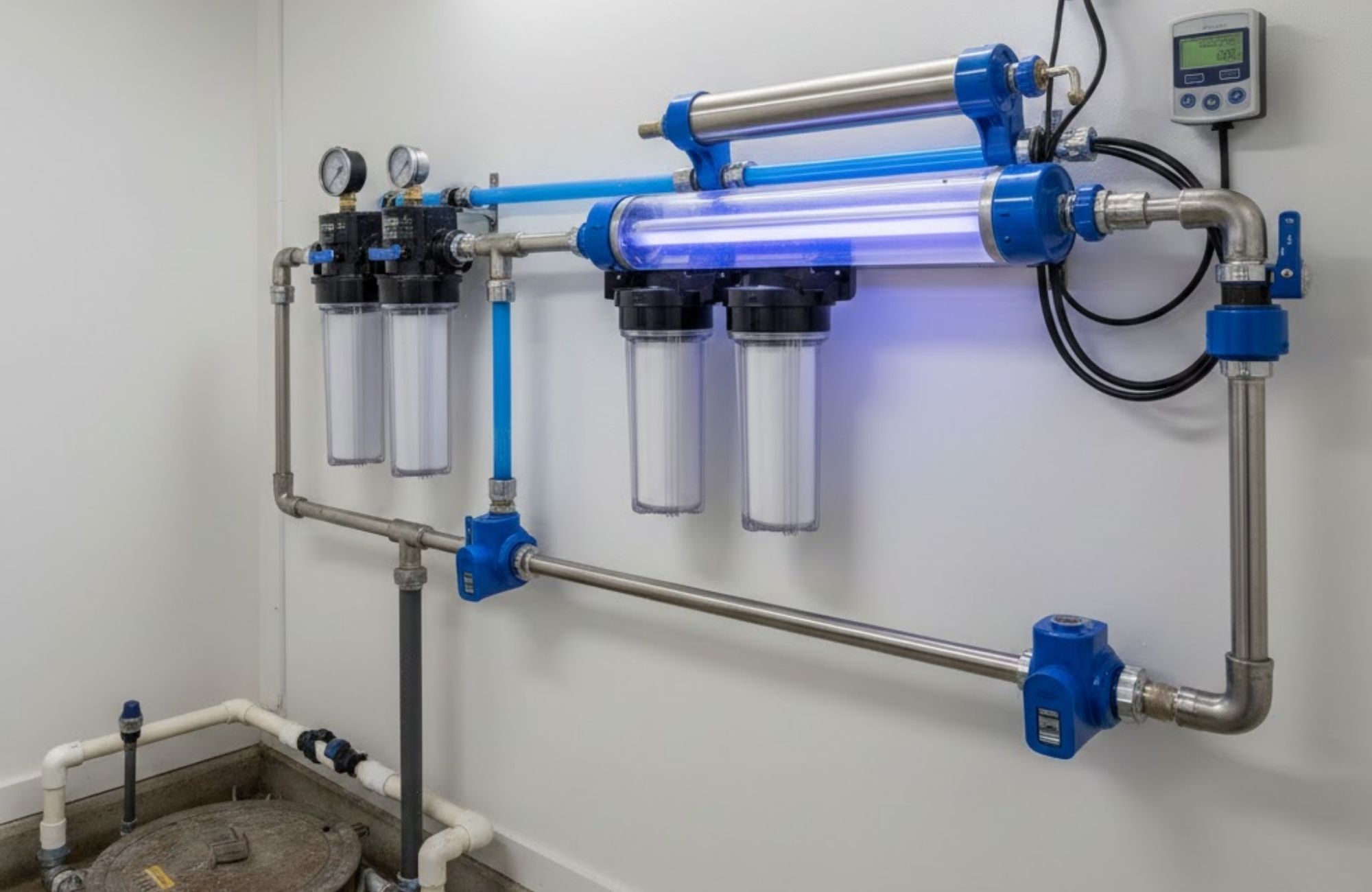
If you rely on a private well for your water supply, keeping that water safe is not optional. UV water treatment for well water is one of the most effective ways to protect your household from bacteria, viruses, and other waterborne microorganisms that standard filters cannot stop. For homeowners in New Milford, CT, and surrounding towns like Danbury, Brookfield, Litchfield, and Southbury, UV systems are often recommended after a well inspection or water test shows bacterial contamination.
Ultraviolet water treatment uses UV light to disinfect water as it flows through your home’s system. It is chemical-free, low-maintenance, and proven to improve water quality when installed correctly. If you are unsure whether your well water is truly safe, the best first step is a professional water quality evaluation.
If your home uses a private well in New Milford or nearby Connecticut communities, Housatonic Valley Well Pump Services can test your water and recommend the right UV water treatment system for your needs.
What Is UV Water Treatment for Well Water?
UV water treatment for well water is a disinfection method that uses ultraviolet light to neutralize bacteria, viruses, and other microorganisms before the water reaches your taps. Instead of removing contaminants through filtration, a UV system disrupts the DNA of harmful organisms so they can no longer reproduce or cause illness.
Unlike chemical treatments such as chlorine, UV water treatment does not change the taste, smell, or mineral content of your drinking water. It works quietly in the background as part of a whole house system, treating all the water that enters your home. For private wells, this makes UV an effective method of providing reliable disinfection without adding chemicals to your water supply.
UV treatment is commonly used alongside water filtration systems, not as a replacement. Filtration handles sediment particles, iron, sulfur, and other impurities, while UV light focuses on killing bacteria and viruses that filters alone cannot remove.
How UV Water Treatment Works in a Well System
UV water treatment systems are designed to disinfect water as it flows through a sealed chamber containing a UV lamp. This process is simple in concept but highly effective when properly sized and installed.
Inside the system, water passes around a quartz sleeve that protects the UV lamp while allowing ultraviolet rays to penetrate the water. As microorganisms are exposed to the UV light, their genetic material is damaged. This prevents bacteria and viruses from multiplying, making them harmless.
For UV water treatment to work at optimal performance, water clarity and flow rate matter. Sediment, iron, or other contaminants can block UV rays, which is why most well systems include a sediment filter or whole house filter before the UV unit. Proper pre-filtration ensures reliable disinfection and consistent water quality throughout the entire home.
Where a UV System Is Installed on a Well
In a typical well setup, the UV system is installed after the pressure tank and after any pre-filter or filtration system. This placement allows the system to treat all the water entering the house while maintaining steady water pressure and flow. Correct installation is critical, which is why professional well pump and water treatment services are recommended.
What UV Water Treatment Removes (and What It Does Not)
Understanding what UV water treatment can and cannot do is essential for homeowners who want safe water without unrealistic expectations. UV systems are powerful, but they work best as part of a complete water treatment solution.
Before listing specific contaminants, it helps to know that UV treatment focuses on biological threats rather than physical or chemical impurities. This is why water testing is always recommended before installing any system.
UV Water Treatment is Effective Against
- Bacteria such as E. coli and coliform
- Viruses that can cause illness
- Waterborne microorganisms commonly found in well water
While UV excels at disinfection, it does not address other water problems.
UV Water Treatment Does Not Remove
- Sediment particles or sand
- Iron or sulfur
- Hard water minerals that affect water’s hardness
- Chemicals or other impurities
Because of this, UV systems are often paired with water filtration, carbon filters, water softeners, or reverse osmosis systems, depending on your specific water quality issues. If your well water contains sediment, iron, or hard water minerals, Housatonic Valley Well Pump Services can design a filtration system that works together with UV treatment for complete protection.
Is UV Water Treatment Good for Private Wells in Connecticut?
Private wells in Connecticut are especially vulnerable to bacterial contamination. Unlike city water systems, well water is not treated continuously. Changes in groundwater, heavy rain, flooding, or aging well components can introduce bacteria into the water supply.
For homeowners in New Milford, Danbury, Brookfield, and surrounding areas, UV water treatment is often recommended after a well inspection or failed bacteria test. UV provides continuous disinfection without the ongoing use of chemical treatments, making it a practical and eco-friendly option for families who depend on well water.
Local experience matters when choosing a system. According to the U.S. Geological Survey water quality in Connecticut often includes iron, sulfur, or sediment, which must be addressed before UV treatment can work properly. This is where professional evaluation and system design make a noticeable difference in long-term performance.
When UV Water Treatment Is Recommended for Well Water
UV water treatment is not always installed proactively. In many cases, it is recommended after a specific issue is identified. Understanding when UV treatment is appropriate helps homeowners make informed decisions.
Before outlining common scenarios, it is important to note that a proper well inspection and water test should always guide treatment choices. Guessing can lead to incomplete protection or unnecessary equipment.
UV Water Treatment is Commonly Recommended When:
- A water test shows bacteria or coliform contamination
- Bacteria problems return after shock chlorination
- A well has been flooded or exposed to surface runoff
- A new well pump or pressure tank has been installed
- A home is being sold and water safety must be documented
In these situations, UV provides ongoing protection rather than a temporary fix.
UV Water Treatment Maintenance and Power Requirements
One of the biggest advantages of UV water treatment systems is their low maintenance. Once installed, they require minimal attention compared to chemical treatments or complex filtration systems. The UV lamp typically needs annual replacement to maintain reliable disinfection. Even if the lamp still appears to be working, its UV output decreases over time. The quartz sleeve should also be inspected and cleaned periodically to prevent buildup that can block ultraviolet light.
UV systems rely on electricity, which means they do not disinfect water during a power outage. Many modern systems include alarms that alert homeowners if the lamp fails or power is lost, helping maintain safe water conditions once power is restored.
UV Water Treatment vs Filtration for Well Water
Many homeowners wonder whether they need UV treatment, filtration, or both. The answer depends on the type of water problems present. Filtration systems are designed to remove physical and chemical contaminants such as sediment, chlorine, mineral content, and other impurities. UV systems focus solely on killing bacteria and viruses. Because these systems address different problems, they work best together.
A common whole house setup includes a sediment filter, followed by carbon filtration or water softening if needed, and then a UV disinfection system. This approach improves water quality, protects plumbing, and provides clean, great-tasting water throughout the entire home. Our team specializes in complete well water treatment solutions, combining filtration and UV systems based on your well’s test results and household needs.
How Much Does UV Water Treatment for Well Water Cost?
The cost of UV water treatment for well water varies based on system size, flow rate, and whether additional filtration is required. Most residential UV systems fall within a moderate price range, especially compared to the long-term cost of bottled water or recurring chemical treatments.
Factors that influence cost include water flow, the size of your home, existing filtration equipment, and installation requirements. While UV systems are an investment, they provide long-term value through low maintenance, reliable disinfection, and improved water safety.
Housatonic Valley Well Pump Services offers transparent pricing and free quotes, helping homeowners understand their options without pressure or hidden fees.
Why Professional Installation Matters for UV Well Systems
Installing a UV system correctly is just as important as choosing the right equipment. Improper placement, incorrect sizing, or inadequate pre-filtration can reduce effectiveness and compromise water safety.
With over 20 years of hands-on experience, Housatonic Valley Well Pump Services understands local well systems and water conditions. As an owner-operated company serving Litchfield County and Upper Fairfield County, every system is installed with attention to water flow, pressure, and long-term reliability. Professional installation also ensures your system meets manufacturer requirements and delivers consistent, safe water throughout your entire home.
Conclusion
UV water treatment for well water is a proven, effective solution for protecting your household from harmful bacteria and viruses. When combined with proper filtration and professional installation, it delivers safe, clean water without chemicals or ongoing hassle. Unlike traditional chemical treatments, UV light only targets microorganisms, leaving your water’s taste and minerals unchanged. It is a low-maintenance, eco-friendly choice that offers reliable disinfection year after year. With regular maintenance and proper system sizing, UV treatment can provide peace of mind, ensuring your family has access to clean, safe water at all times.
For homeowners in New Milford, CT, and nearby towns, local expertise matters. Housatonic Valley Well Pump Services understands that every well is different, and the best results come from systems designed around real water test data and hands-on experience. If you rely on a private well and want dependable, bacteria-free water, contact us for expert water testing and customized UV treatment solutions.
FAQs
Is a UV light necessary for well water?
A UV light is not required for every well, but it is strongly recommended if bacteria or viruses are present. Well water is untreated by default, so UV provides continuous protection when water tests show contamination or recurring issues.
How much does a UV system cost for well water?
Most UV water treatment systems for well water fall within a reasonable range, depending on system size and installation needs. Costs may increase if pre-filtration or additional treatment is required, which is why water testing is important before installation.
What does a UV filter remove from well water?
A UV system does not filter water in the traditional sense. It neutralizes bacteria, viruses, and waterborne microorganisms but does not remove sediment, minerals, or chemicals. Filtration systems handle those issues.
How effective is UV water treatment?
UV water treatment is highly effective when properly installed and maintained. Studies show UV disinfection can inactivate over 99 percent of common bacteria and viruses, making it one of the most reliable chemical-free water treatment methods available.