


When it comes to ensuring the quality of your home’s water, choosing the right water softener is essential. Water softeners help mitigate the effects of hard water, which can cause problems like mineral buildup on faucets, dry skin, and inefficient water heaters. For homeowners in Connecticut, particularly in areas like New Milford, Danbury, and Brookfield, water hardness is a common issue that requires careful attention.
In this guide, we will walk you through how to choose a water softener that suits your home’s needs, while addressing local water quality challenges and providing the solutions Housatonic Valley Well Pump Services can offer.
What is a Water Softener and How Does It Work?
A water softener is a device designed to remove minerals like calcium and magnesium from your water supply, which cause water hardness. Hard water can lead to scale buildup on appliances, pipes, and fixtures, reducing their efficiency and lifespan. It can also leave residues on your skin and hair, making them feel dry and rough.
The process through which a water softener works is called ion exchange. In this process, the hard minerals in the water are exchanged with sodium or potassium ions in the softener’s resin beads. The result is water that is less harsh on your plumbing and appliances and provides a more comfortable experience for your skin and hair.
Salt-based systems are the most common type of water softeners, but salt-free systems and dual-tank systems are also available. Each system has its advantages, depending on your home’s water quality and usage.
How to Choose the Right Water Softener for Your Home
Choosing the right water softener for your home involves understanding your specific needs and local water quality issues. In Connecticut, particularly in Litchfield and Fairfield Counties, homeowners often face water problems such as high iron content, sulfur odors, and high water hardness.
Key Factors to Consider When Choosing a Water Softener
- Water Hardness: Test your water to determine the hardness level. This is typically measured in grains per gallon (GPG). Water with a hardness level above 7 GPG may benefit from a water softener.
- Household Size: The size of your household affects the capacity of the water softener you need. A larger family will use more water, and therefore, need a larger capacity system.
- Water Usage: Consider how much water your household uses daily. Larger systems can handle more water and are better suited for larger homes or higher consumption.
- Water Quality Issues: If your water contains high levels of iron, sulfur, or other contaminants, you may need a specialized water softener that can address these issues.
- System Type: Decide between salt-based, salt-free, or dual-tank systems based on your needs and preferences. Salt-based systems are highly effective at softening water but require ongoing salt replenishment, while salt-free systems are low-maintenance but may not be as effective in extremely hard water areas.
At Housatonic Valley Well Pump Services, we can help you assess your water hardness and recommend the best system for your needs. Whether you’re dealing with hard water, iron, or sulfur, we offer expert advice and services to ensure your water softening solution is both effective and affordable.
Types of Water Softeners and Which One is Right for You
When deciding on the type of water softener to install, it’s important to understand the various options available and their suitability for your water conditions.
1. Salt-Based Water Softeners
Salt-based water softeners are the most commonly used systems. They work by using sodium or potassium to replace calcium and magnesium ions in hard water. These systems are effective in areas with very hard water and can handle a variety of mineral imbalances, including high levels of iron.
Benefits:
- Highly effective at removing minerals from hard water.
- Provides consistently soft water, even in large households.
Drawbacks:
- Requires regular replenishment of salt, which can add maintenance costs.
- Not suitable for areas with sodium intake restrictions (e.g., for people on low-sodium diets).
2. Salt-Free Water Softeners
Salt-free systems use a different technology known as Template Assisted Crystallization (TAC). These systems don’t remove the hard minerals but instead convert them into harmless crystals that don’t stick to surfaces.
Benefits:
- No need for salt, reducing maintenance and ongoing costs.
- More environmentally friendly as no sodium is added to the water.
Drawbacks:
- Less effective in extremely hard water areas compared to salt-based systems.
- Doesn’t address other contaminants like iron or sulfur.
3. Dual-Tank Water Softeners
Dual-tank systems are ideal for large households or those who use a high volume of water. These systems feature two resin tanks, allowing one tank to regenerate while the other is in use, ensuring a continuous supply of soft water.
Benefits:
- Provides uninterrupted soft water, even during the regeneration cycle.
- Ideal for large families or homes with high water consumption.
Drawbacks:
- More expensive due to the dual-tank system.
- Requires more space for installation.
Sizing Your Water Softener: What You Need to Know
Correctly sizing your water softener is crucial for ensuring that it meets your household’s needs. An undersized system will struggle to keep up with demand, while an oversized system will be inefficient and waste energy.
How to Calculate the Right Size:
- Determine your water hardness: Use a water test kit or have your water professionally tested to determine the hardness level in GPG.
- Calculate your water usage: Multiply the number of people in your household by the average water usage per person (about 80-100 gallons per day).
- Use the formula:
Water Softener Size (in grains) = Water Hardness (in GPG) x Water Usage (in gallons per day) x 7
This will give you an approximate size in grains, which indicates how much mineral capacity the softener needs to handle.
Homeowners in Southbury and Wolcott can benefit from a customized sizing calculation based on their local water hardness levels and consumption patterns. Need a sizing guide or professional evaluation? Call us for a free water quality test and softener sizing.
Water Softener Maintenance: How to Keep Your System Running Smoothly
To ensure your water softener continues to perform at its best, regular maintenance is key.
Regular Maintenance Tasks:
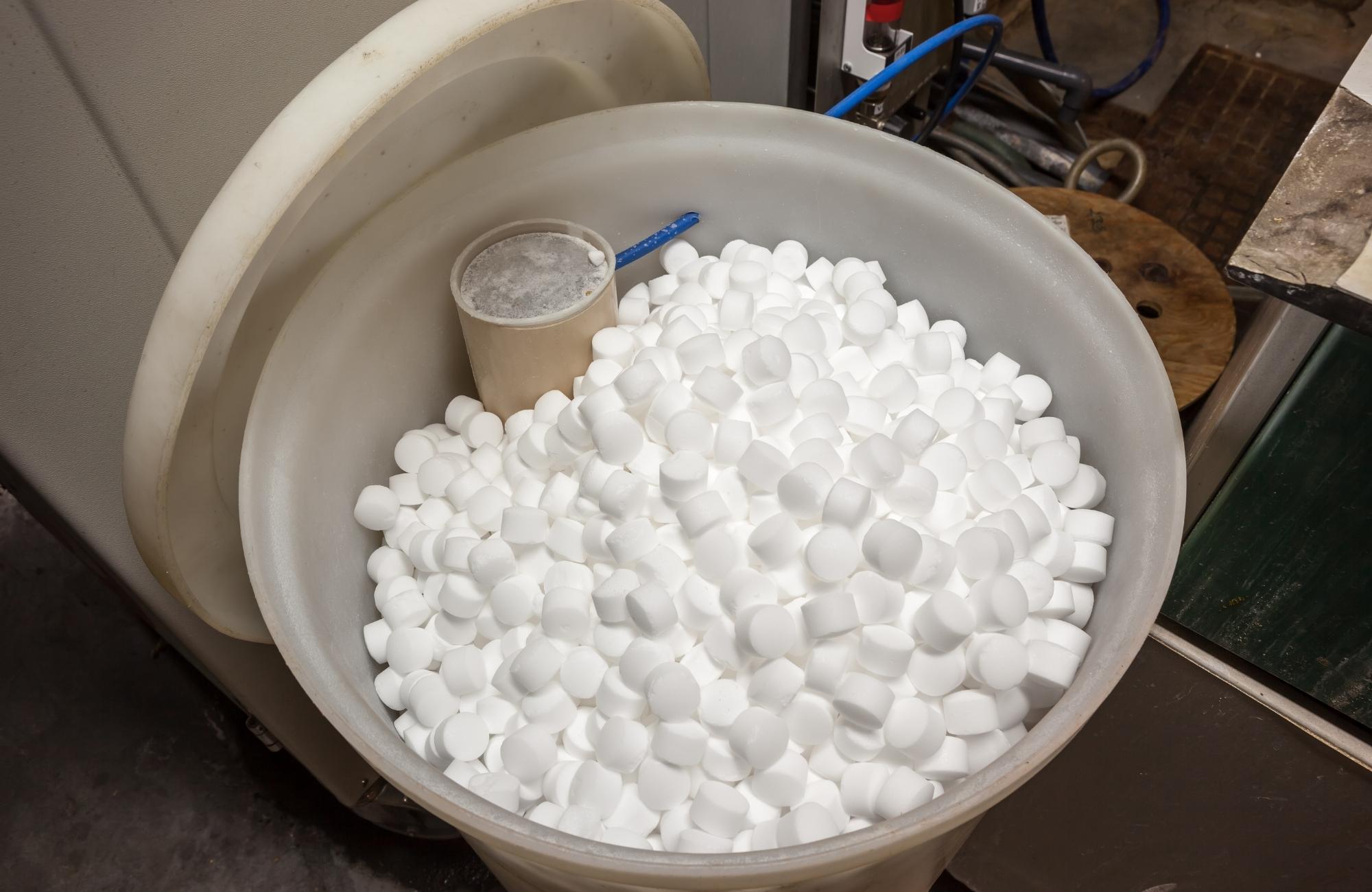
- Salt Replacement: For salt-based systems, you’ll need to refill the brine tank with salt every few months. The exact frequency depends on the system size and water usage.
- Resin Bed Cleaning: Periodically clean the resin bed to prevent mineral buildup.
- Regeneration Cycle Monitoring: Make sure the regeneration cycle is running properly to avoid salt clogging and ensure the system operates efficiently.
Costs of Installing and Maintaining a Water Softener
The cost of installing a water softener varies based on factors like the system type, installation complexity, and water quality.
Estimated Costs:
- Basic systems: $300-$700 for salt-based systems.
- Higher-end systems: $1,500-$2,500 for dual-tank or specialized salt-free systems.
- Installation: Professional installation generally costs between $500 and $1,000.
While the initial cost can seem high, investing in a water softener can extend the lifespan of your plumbing and appliances, reducing long-term repair costs. In Danbury or New Milford, our pricing is competitive and offers transparent, upfront quotes, ensuring no hidden fees.
Conclusion
Choosing the right water softener can drastically improve your home’s water quality and prevent issues associated with hard water. At Housatonic Valley Well Pump Services, we provide expert advice, installation, and maintenance for the best water softening solution for your home. Whether you need a salt-based or salt-free system, we’re here to help. Contact us today for a free consultation and ensure your water quality stays at its best.
At Housatonic Valley Well Pump Services, we deliver reliable water softening solutions across Litchfield and Fairfield Counties. If you’re dealing with hard water or mineral buildup, our technicians can help. Contact us today to schedule your water softener installation or maintenance service.
FAQs
How do I know what water softener to get?
The best way to choose a water softener is by testing your water’s hardness and considering factors like household size, water usage, and any specific quality issues like iron or sulfur. If you’re unsure, a water test and expert consultation can help guide your decision.
How do I calculate what size water softener I need?
Use your water hardness (in GPG) and daily water usage to calculate the appropriate size. This ensures your system will handle your household’s needs without wasting energy or resources.
What is the difference between a 48,000 grain and 64,000 grain water softener?
48,000-grain softener is suitable for homes with lower water usage or moderate hardness, while a 64,000-grain softener can handle higher usage or very hard water, providing greater capacity and efficiency for larger households.
What is the best water softener system?
The best water softener system depends on your specific needs. For extremely hard water, a salt-based system with a larger grain capacity is recommended. For households with lower maintenance needs, a salt-free system might be ideal, but ensure it’s suitable for your water hardness.