


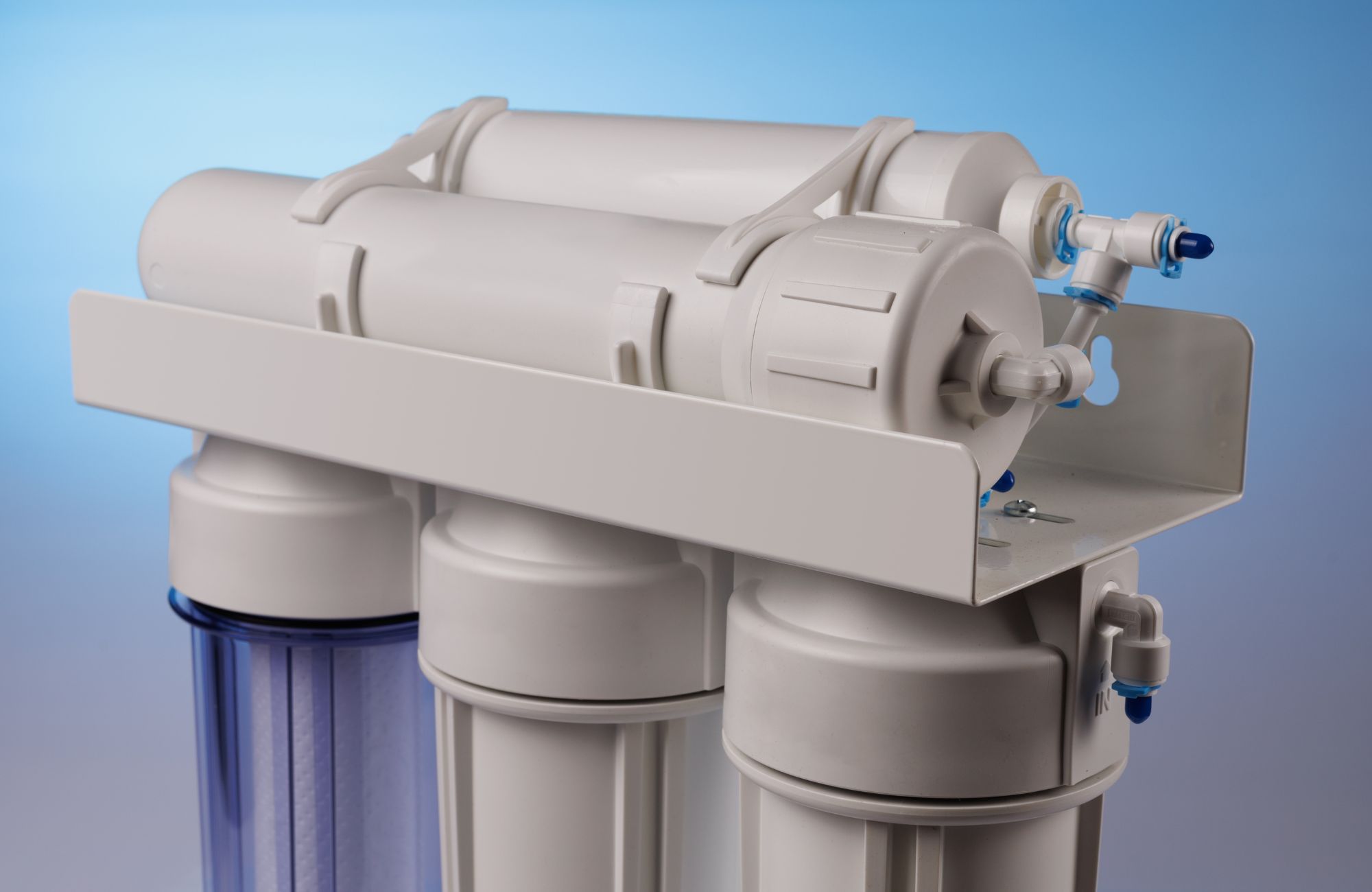
Access to clean, safe water is a crucial element in maintaining your health and comfort at home. While many people rely on municipal tap water, those using private wells, like many homeowners in New Milford, CT, face unique challenges when it comes to water quality. If you’re wondering whether your home’s water supply could benefit from a filtration system, you’re not alone. The signs are often subtle, but there are clear indicators that you might need a water filter to ensure your family is drinking clean, healthy water.
In this article, we’ll walk you through the most common signs that suggest you need a water filter, the different types of filters available, and how to choose the best system for your needs. If you’ve noticed any of these warning signs in your home, it may be time to schedule a consultation with a local expert in water treatment and filtration. Contact Housatonic Valley Well Pump Services today for a free water inspection, and we’ll help you get the clean, safe water you deserve.
What Are the Signs You Need a Water Filter?
It’s not always obvious when your water quality is compromised, but there are several telltale signs that can indicate the need for a filtration system. Here are some of the most common warning signs that your home may need a water filter:
- Bad Taste or Odor: If your water has a metallic, sulfur, or chlorine taste or odor, it’s a sign that there are contaminants present. For example, sulfur can cause a “rotten egg” smell, while chlorine can leave a chemical taste.
- Rust-Colored Stains: If you notice rust-colored stains on your sinks, tubs, or laundry, it could be a sign that your water contains iron. This is especially common in well water systems, which often carry iron from underground sources.
- Low Water Pressure: If you’ve noticed that your water pressure has decreased significantly, it could be due to sediment buildup in your pipes or a problem with the well pump. A filter can help reduce this buildup and improve water flow.
- Cloudy Water: When water appears cloudy or murky, it’s often a sign of excess sediment or contaminants in the water. Cloudy water should be tested immediately, as it could contain harmful particles.
- Health Concerns: If your family members experience stomach upset or skin irritation, it could be due to contaminants like bacteria or heavy metals in the water. In these cases, installing a filtration system could help alleviate these health risks.
If any of these issues sound familiar, it’s a good idea to contact a professional for a water quality inspection. Our experts can help you determine whether your water requires treatment and recommend the best filtration system for your home in New Milford, CT.
What Contaminants Can a Water Filter Remove?
Water filters are designed to remove a variety of contaminants that may be present in your water supply. Depending on the type of filter you choose, it can address specific problems like iron, bacteria, chlorine, and more. Here’s a breakdown of some common contaminants that water filters can help eliminate:
- Iron: One of the most common contaminants found in well water, iron can cause staining in your sinks, laundry, and appliances. It can also affect the taste of your water.
- Sulfur: Sulfur can cause a strong odor, often described as rotten eggs, and can also affect the taste of your water.
- Arsenic: This harmful substance can contaminate water supplies and is particularly concerning for well owners. Arsenic is a known carcinogen and can pose serious health risks.
- Bacteria and Pathogens: Well water is more likely to harbor bacteria and pathogens, which can cause illnesses. Installing a filtration system with a UV light or reverse osmosis filter can help eliminate harmful microorganisms.
- Hard Water: Hard water is caused by an excess of calcium and magnesium, which can lead to scale buildup in pipes, faucets, and appliances. A water softener can help treat hard water and improve water quality.
In New Milford, CT, many homeowners rely on well water, which can have varying levels of contaminants depending on the local geology and water sources. If you suspect your water contains any of these contaminants, consider scheduling a water test to determine which filtration system is right for your home.
How Much Does a Water Filter Cost in New Milford, CT?
The cost of installing a water filter varies depending on the type of filter, the size of your home, and the specific contaminants you’re addressing. Here are a few factors that influence the overall cost of a water filtration system:
- Type of Filter: Point-of-use filters, which treat water at a single faucet or appliance, tend to be more affordable than whole-house systems, which filter all water entering the home.
- Installation Costs: Professional installation is recommended for most systems to ensure they are set up correctly and safely. The cost of installation will vary depending on the complexity of the system and the plumber or technician you hire.
- Maintenance and Replacement: Filters require regular maintenance and replacement. For example, a reverse osmosis system will need its filters replaced every six months to a year, depending on usage.
While the upfront costs of a water filtration system can vary, the long-term benefits of cleaner, safer water far outweigh the initial investment. In New Milford, CT, you can expect to pay between $200 and $1,000 for a water filtration system, depending on the type and size of the system you need. If you’re interested in learning more about the costs associated with water filtration, contact us for a free consultation. We offer upfront pricing and will help you choose a solution that fits your budget.
Point-of-Use vs Whole-House Water Filters
When deciding on a water filter, one of the most important factors to consider is whether to choose a point-of-use (POU) filter or a whole-house system. Each type has its own benefits, and the right choice for you depends on your water quality issues and budget.
- Point-of-Use Filters: These filters treat water at a single faucet or appliance, such as a kitchen sink or shower. They are ideal if you only need to filter water for drinking and cooking, and they are generally less expensive than whole-house systems.
- Whole-House Filters: These systems treat all the water entering your home, ensuring that every faucet, shower, and appliance receives filtered water. They are the best option if you want to address widespread contaminants, such as hard water or iron, throughout your entire home.
For homeowners in New Milford, CT, the type of filter you choose will depend on the contaminants you’re dealing with and the water usage in your home. A whole-house filter is typically recommended for well water systems, as it provides comprehensive treatment for the entire home. Contact us today to schedule a consultation, and we’ll help you decide whether a point-of-use or whole-house filter is right for you.
How Do You Choose the Right Water Filter?
Choosing the right water filter can be overwhelming, but it doesn’t have to be. Here are a few steps to help you make an informed decision:
- Get a Water Quality Test: Before choosing a filter, it’s essential to know what contaminants are present in your water. A water quality test will provide a detailed report of the substances in your water, helping you choose the best filter.
- Match the Filter to Your Needs: Once you know what contaminants need to be removed, choose a filter that addresses those specific issues. For example, a reverse osmosis filter is excellent for removing heavy metals, while an activated carbon filter is ideal for improving taste and odor.
- Consider the System Type: Depending on the severity of the contamination, you may need a point-of-use filter or a whole-house system. Whole-house systems are more expensive but provide comprehensive treatment for your entire home.
Choosing the right water filter is an important decision, and it’s always best to consult with a professional to ensure you’re selecting the right system for your home’s needs. If you live in New Milford, CT, or the surrounding areas, we’re here to help. Schedule a water quality inspection with us today!
Conclusion
If you’re experiencing any of the signs mentioned above, or if you’re concerned about the quality of your well water, it may be time to install a water filtration system. Clean, safe water is essential for your family’s health, and choosing the right system can make a big difference.
Housatonic Valley Well Pump Services is here to provide expert advice and a free water quality inspection for your home in New Milford, CT. With over 20 years of experience in well water systems, we offer reliable and tailored filtration solutions. Contact us today for the best filtration solutions to ensure your water is clean, safe, and ready to use.
FAQs
Should I Put a Water Filter Before a Pressure Tank?
Yes, it is often recommended to install a water filter before the pressure tank, especially if you have sediment or particles in your water. This helps prevent the buildup of contaminants in your pressure tank and ensures cleaner water throughout your home.
How to Tell When a Water Filter Needs Replacing?
Most water filters need to be replaced every six months to a year, depending on usage. If you notice a decrease in water flow, bad taste or odor, or visible discoloration, it’s time to replace your filter.
Is It Healthier to Drink Tap Water or Filtered Water?
Filtered water is generally healthier because it removes harmful contaminants such as chlorine, lead, and bacteria that may be present in tap water. Investing in a good water filter ensures your drinking water is safe and clean.
What Is the Life Expectancy of a Water Filter?
The life expectancy of a water filter depends on the type of filter and how much water it processes. Generally, filters should be replaced every six months to a year, but some systems, like reverse osmosis, may last longer with proper maintenance.